Skin & Dermatology11 min read
Post-Inflammatory Hyperpigmentation: Why Dark Marks Linger and How to Fade Them
Why dark marks linger after acne, bites or irritation, how long post-inflammatory hyperpigmentation lasts, and how a dermatologist helps it fade safely.
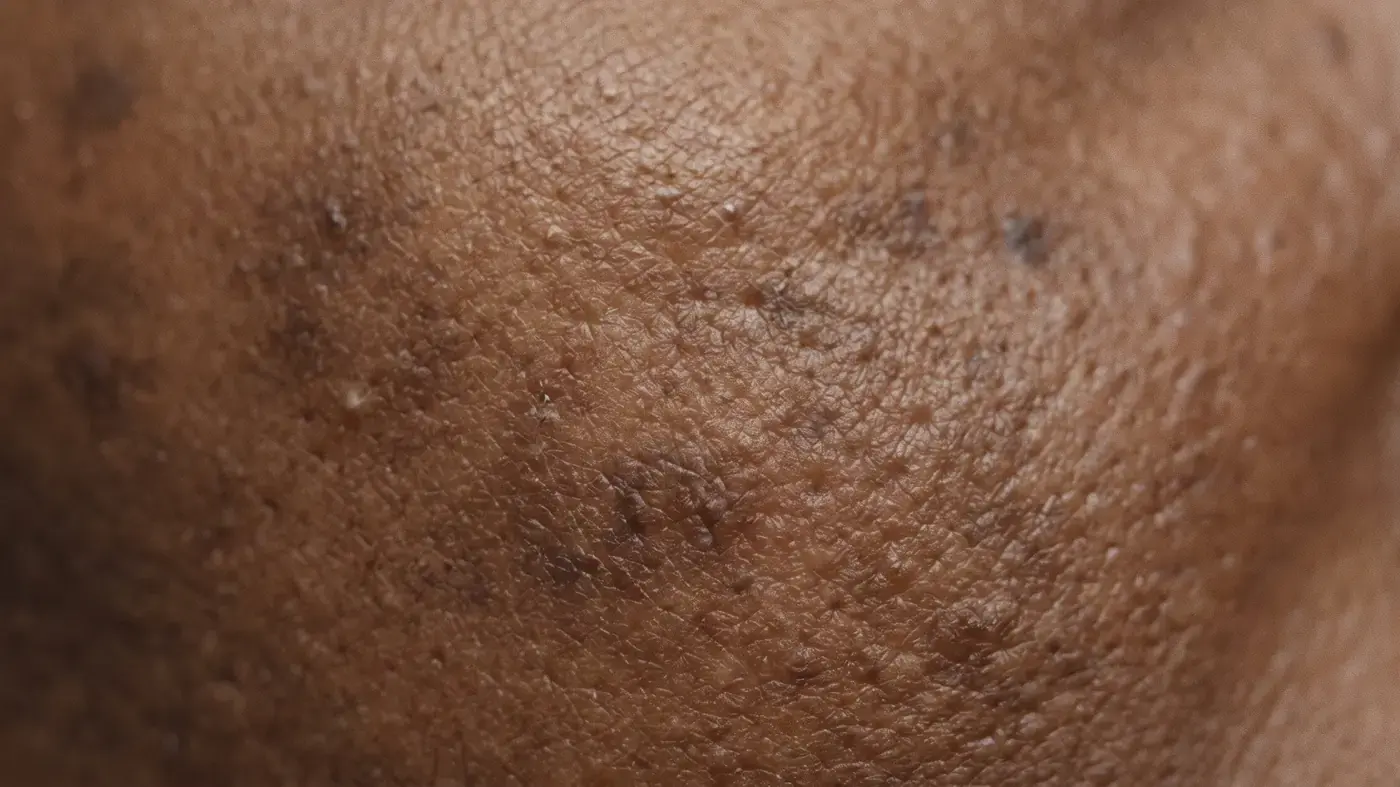
The spot has gone, but the mark it left behind has not. For many people, the flat brown or grey patches that follow a breakout are more frustrating than the acne itself, and they can stay for months. The same thing can happen after an insect bite, a patch of eczema, a burn from a hot styling tool, waxing, or a cosmetic treatment that irritated the skin.
These marks have a name: post-inflammatory hyperpigmentation, often shortened to PIH. It is one of the most common reasons people see a dermatologist, and it is particularly common in Dubai, where year-round sun and a population with many medium and deeper skin tones make the skin's pigment system especially reactive. Our page on hyperpigmentation treatment in Dubai explains how a dermatologist tells the different types of pigmentation apart.
This guide explains what post-inflammatory hyperpigmentation is, why it lingers, how long it usually lasts, what you can do at home, and when in-clinic treatment is worth considering.
What is post-inflammatory hyperpigmentation?
Post-inflammatory hyperpigmentation is darkening of the skin that follows inflammation or injury. When skin is inflamed, pigment-producing cells called melanocytes can overreact and release extra melanin, leaving flat tan, brown, grey or blue-grey marks. It is not a scar: the skin's texture is unchanged, and the marks usually fade over time.
The marks appear in the exact place the inflammation was, which is often the clue. A row of dark spots along the jawline after a breakout, a dark patch where a mosquito bite was scratched, or a darker ring where a cosmetic treatment caused irritation all follow the same process.
Epidermal and dermal PIH
Dermatologists describe two depths of post-inflammatory hyperpigmentation, and the depth affects how long it lasts:
- Epidermal PIH sits in the top layer of the skin. It tends to look brown, has fairly defined edges and usually fades faster, often over months.
- Dermal PIH occurs when pigment drops into the deeper layer of the skin, where it is taken up by cells that clear it slowly. It tends to look grey or blue-grey, has less distinct edges, and can take much longer to fade.
Many people have a mix of both. A dermatologist can often estimate the depth by examining the skin, sometimes with a special light.
What causes post-inflammatory hyperpigmentation?
Anything that inflames or injures the skin can trigger post-inflammatory hyperpigmentation. Acne is the most common cause on the face. Other triggers include eczema, insect bites, cuts and burns, ingrown hairs, friction, allergic reactions, harsh skincare, picking, and cosmetic procedures such as peels, lasers or waxing that irritate the skin.
Some common triggers seen in Dubai include:
- Acne and picking. Squeezing a spot deepens the inflammation and makes a darker, longer-lasting mark more likely. Our article on adult acne causes in Dubai covers why breakouts are common here.
- Hair removal. Waxing, threading, shaving and epilation can all cause irritation and ingrown hairs, leaving dark marks on the upper lip, underarms, bikini line and legs.
- Friction. Rubbing from tight clothing, heat and sweat can darken the underarms, inner thighs and other skin folds.
- Eczema and dermatitis. Patches of inflamed skin, especially when scratched, often leave darker skin behind when they settle.
- Insect bites. Bites that are scratched, particularly during outdoor time in the cooler months, are a frequent cause on the legs and arms.
- Over-treatment. Strong peels, scrubs, at-home devices or laser settings that are too aggressive for a skin type can trigger the very pigmentation they were meant to treat.
Why is PIH more common in darker skin tones?
Post-inflammatory hyperpigmentation can affect anyone, but it is more frequent, more intense and longer-lasting in medium and deeper skin tones, Fitzpatrick types III to VI. Melanocytes in these skin types respond more strongly to inflammation, so the same breakout can leave a far more visible mark than it would on fair skin.
A review in the Journal of Clinical and Aesthetic Dermatology by Davis and Callender (2010) described PIH as one of the most common reasons people with skin of colour seek a dermatologist's help. For many residents of Dubai, including people of South Asian, Middle Eastern, African and Mediterranean heritage, this makes preventing and treating PIH a central part of skincare rather than an afterthought.
It also means treatments need care. Aggressive approaches can trigger fresh inflammation, which in pigment-prone skin can lead to new marks. Our guide to why pigmentation is so common in Dubai explores the role of climate and skin type in more depth.
Is it PIH, a scar or something else?
Post-inflammatory hyperpigmentation is flat and brown, grey or blue-grey, and sits exactly where inflammation was. Flat pink, red or purple marks after acne are usually post-inflammatory erythema, caused by blood vessels rather than pigment. Indented marks are scars. Symmetrical patches on both cheeks are more likely to be melasma.
A simple home check can help separate redness from pigment. Press a clear glass gently against the mark: red marks caused by blood vessels tend to blanch or fade under pressure, while brown pigment does not.
Telling these apart matters because they are treated differently:
- Post-inflammatory erythema (red marks) often responds to treatments that target blood vessels, and some pigment treatments do little for it.
- Acne scars change the skin's texture and need remodelling treatments. Our guide to the types of acne scars explains how to tell them apart.
- Melasma is driven by hormones, heat and light as well as UV, and some treatments that help PIH can make melasma worse.
Any dark mark that appeared without an obvious cause, is changing in size, shape or colour, or bleeds or itches should be examined by a dermatologist rather than treated as PIH.
How long does post-inflammatory hyperpigmentation last?
Post-inflammatory hyperpigmentation usually fades gradually once the inflammation behind it has stopped. Epidermal marks commonly improve over three to twelve months, while deeper, dermal pigmentation can take a year or longer. Continued sun exposure, picking and new inflammation all slow the process, and treatment can help speed it up.
The single most important factor is stopping new inflammation. A mark cannot fade properly if the acne, eczema or irritation behind it keeps returning, which is why treating the underlying cause comes first.
How do you get rid of post-inflammatory hyperpigmentation?
To fade post-inflammatory hyperpigmentation, first control the inflammation causing it, then protect the skin daily from UV and visible light, and use evidence-based topical ingredients such as azelaic acid, niacinamide, retinoids or vitamin C. For stubborn marks, a dermatologist may recommend prescription creams, chemical peels or carefully selected laser treatment.
Step 1: Treat the cause
If acne is still active, bringing it under control is the most effective step for preventing new marks. The same applies to eczema, ingrown hairs or friction. Our dermatology page on acne treatment explains how a dermatologist approaches persistent breakouts.
Step 2: Protect from sun and visible light
UV light darkens existing pigment and slows fading, and in medium and deeper skin tones, visible light can deepen pigmentation too. A daily broad-spectrum sunscreen of SPF 30 or above is essential, and a tinted formula containing iron oxides adds protection against visible light. Reapply when outdoors, and use shade, hats and sunglasses during the middle of the day.
Step 3: Use topical ingredients consistently
Several ingredients have evidence for fading PIH. Introduce them one at a time to limit irritation, because irritation can cause more pigmentation:
- Azelaic acid, which may help fade dark marks and calm acne, and is often well tolerated, including by sensitive skin.
- Niacinamide, which is thought to reduce the transfer of pigment to skin cells and is usually gentle.
- Retinoids, which speed up skin cell turnover and also treat acne. Start slowly, as irritation can worsen pigmentation. Retinoids are not suitable during pregnancy.
- Vitamin C, an antioxidant that may help brighten uneven tone.
- Tranexamic acid, increasingly used in topical form for stubborn pigmentation.
Prescription lightening agents, such as hydroquinone, are sometimes used for more persistent marks. These should only be used under medical supervision, for a defined period, as inappropriate or prolonged use can cause side effects. Avoid unregulated skin-lightening products, which may contain harmful ingredients.
Step 4: Be patient and avoid picking
Results from topical treatment build over two to three months at least. Picking at scabs or remaining spots restarts the cycle, so leaving the skin alone is one of the most useful things you can do.
When is in-clinic treatment worth considering?
In-clinic treatment is worth considering when dark marks have not improved after three months of consistent sun protection and a good routine, when marks are extensive, or when deeper, grey-toned pigmentation is present. A dermatologist can confirm the diagnosis and choose treatments that suit your skin type without causing new inflammation.
At our clinic in Business Bay, the options commonly discussed include:
- Chemical peels, which use controlled acids to lift pigmented surface layers. For PIH, superficial peels using acids such as glycolic, lactic or salicylic acid are often chosen, typically as a course, because they carry a lower risk of irritation in pigment-prone skin. Light flaking for a few days is expected. Our chemical peel guide covers what to expect.
- Pico laser and other light-based treatments, which break pigment into smaller particles for the body to clear. In deeper skin tones, conservative settings are essential, because laser energy can itself trigger PIH. Our article on pico laser in Dubai explains how this works.
- Combined plans, where prescription topicals prepare the skin before procedures and continue afterwards to support results.
Results vary between individuals, and no treatment replaces daily sun protection. In pigment-prone skin, a slower, gentler course is often safer, with a lower risk of new marks. Dr. Aishani Shah, our Specialist Dermatologist, can assess the depth of your pigmentation and advise which approach, if any, suits your skin.
How can you prevent post-inflammatory hyperpigmentation?
You can reduce the risk of post-inflammatory hyperpigmentation by treating acne and eczema early, not picking or squeezing spots, wearing sunscreen daily, avoiding harsh scrubs and over-exfoliation, and choosing hair removal and cosmetic treatments that suit your skin type. If you are prone to dark marks, tell any practitioner before a procedure.
For anyone with pigment-prone skin, a few habits help:
- Treat breakouts early rather than waiting for them to settle on their own.
- Patch test new active ingredients and introduce them slowly.
- Choose experienced, medically supervised practitioners for lasers and peels, and share your history of dark marks.
- Prepare the skin before procedures. Your clinician may recommend a topical routine for a few weeks beforehand.
- Keep up sun protection after any treatment, when healing skin is more vulnerable.
Frequently asked questions
Is post-inflammatory hyperpigmentation permanent?
Post-inflammatory hyperpigmentation is usually not permanent. Most marks fade gradually once the inflammation behind them stops, although deeper, dermal pigmentation can take a year or longer and occasionally persists. Daily sun protection, avoiding picking and appropriate treatment can all help marks fade more quickly.
What is the fastest way to fade post-inflammatory hyperpigmentation?
There is no instant fix, but the fastest progress usually comes from combining several steps: stopping new inflammation, using daily sunscreen, and applying topical ingredients such as azelaic acid, retinoids or niacinamide consistently. For stubborn marks, prescription creams, chemical peels or laser treatment chosen by a dermatologist may speed up fading.
Can laser treatment make PIH worse?
Yes, it can. Laser and other heat-based treatments can trigger new post-inflammatory hyperpigmentation, especially in medium and deeper skin tones, if settings are too aggressive or the skin is not prepared. This is why laser treatment for PIH should be carried out under medical supervision, with conservative settings chosen for your skin type.
Does post-inflammatory hyperpigmentation fade without treatment?
Often, yes. Many marks fade on their own over months, as long as the skin is protected from the sun and the original inflammation has settled. Treatment can shorten the timeline and is particularly helpful for deeper or widespread pigmentation, or where marks keep returning because the underlying cause is still active.
How is PIH different from melasma?
Post-inflammatory hyperpigmentation appears exactly where inflammation or injury occurred, such as an old spot or bite. Melasma usually appears as symmetrical patches on both cheeks, the forehead or upper lip, and is driven by hormones, heat and light. They can look similar, but melasma often needs a more cautious treatment approach.
Fading the marks, protecting the skin
Post-inflammatory hyperpigmentation is common, especially in Dubai's climate and in medium and deeper skin tones, and in most cases it does fade. The keys are stopping the inflammation behind it, protecting the skin every day, and choosing treatments gentle enough not to create new marks.
If dark marks have not improved with a good routine, or you are unsure whether you are dealing with pigmentation, scarring or melasma, book a consultation with our dermatology team in Business Bay. A proper assessment is the most reliable way to understand what is behind your marks and which options, if any, are right for your skin.
Want this for your own biology?
Speak with our team on WhatsApp — we’ll point you to the right protocol, or to a measurement first.