Hair · Dubai
Hair Transplant in Dubai
A hair transplant does not create new hair. It redistributes the hair you still have, which is why the assessment matters more than the technique: how much donor supply you have, how your loss is likely to progress, and where a hairline should sit on your face in twenty years. At Shookra, that assessment is done by Dr. Amar Helali, a DHA-licensed physician whose practice is built around hair restoration.
Medically reviewed byDr. Amar HelaliHair Transplant Physician · DHA-licensedLast reviewed
- Approach
- Consultation-led
- Techniques
- FUE · DHI · Sapphire
- Physician
- Dr. Amar Helali
- Pricing
- Shared at consult
What Is Hair Transplant?
A hair transplant is a procedure that moves your own hair follicles from a donor area — usually the back and sides of the scalp, where hair is genetically resistant to thinning — to areas that have thinned or gone bald.
Hair at the back and sides of the scalp behaves differently from hair at the crown and hairline. It is largely unaffected by the hormonal process that drives pattern hair loss, and it keeps that resistance when it is moved. That is the principle the whole procedure rests on: transplanted follicles continue to behave like donor hair, not like the hair that was lost around them.
Follicles are moved in naturally occurring clusters called grafts. A graft usually carries between one and four hairs, which is why graft counts and hair counts are not the same number — a point worth clarifying when comparing quotes between clinics.
The four techniques, compared
You will see these names quoted at every clinic in Dubai. They are variations on one procedure, not four different operations — they differ in how the follicle is taken out and how it goes back in.
FUE
Most commonFollicular Unit Extraction
Follicles are taken from the donor area one at a time with a micro punch, then placed into small sites made in the thinning area. No strip of scalp is removed, so the donor area heals as scattered dot marks rather than a single line. It is the technique most hair transplants now use.
Chosen forMost cases, and larger areas in particular. The default unless something about your scalp argues otherwise.
DHI
Direct Hair Implantation
A variation on FUE. Each follicle is loaded into a hollow implanter pen and placed directly, without cutting a separate site for it first.
Chosen forHairline work, and adding density between hairs you still have, where the angle of every graft matters most.
Sapphire FUE
FUE with sapphire blades
FUE in which the sites are opened with sapphire-tipped blades instead of steel. Sharper blades make a narrower channel. A refinement of FUE, not a separate procedure — treat it as a detail, not a deciding factor.
Chosen forCases where grafts need to sit close together.
Beard & eyebrow
Facial hair restoration
The same follicle transfer applied to the face — filling patchy beard growth, or rebuilding eyebrows thinned by over-plucking, scarring or alopecia.
Chosen forSmaller graft numbers, but more exacting: beard and brow hairs grow at much flatter angles than scalp hair.
If you are choosing between clinics on technique alone, you are comparing the wrong thing. All of these move the same follicles; what separates results is the planning and the placement. Dr. Helali recommends an approach after assessing your donor density, the area to be covered and how your hair grows — not the other way round.

Who Is Hair Transplant For?
Which stage looks like you?
Hair loss follows a broadly predictable pattern. Finding roughly where you sit is the fastest way to understand whether a transplant is the right answer yet — or whether something else is.
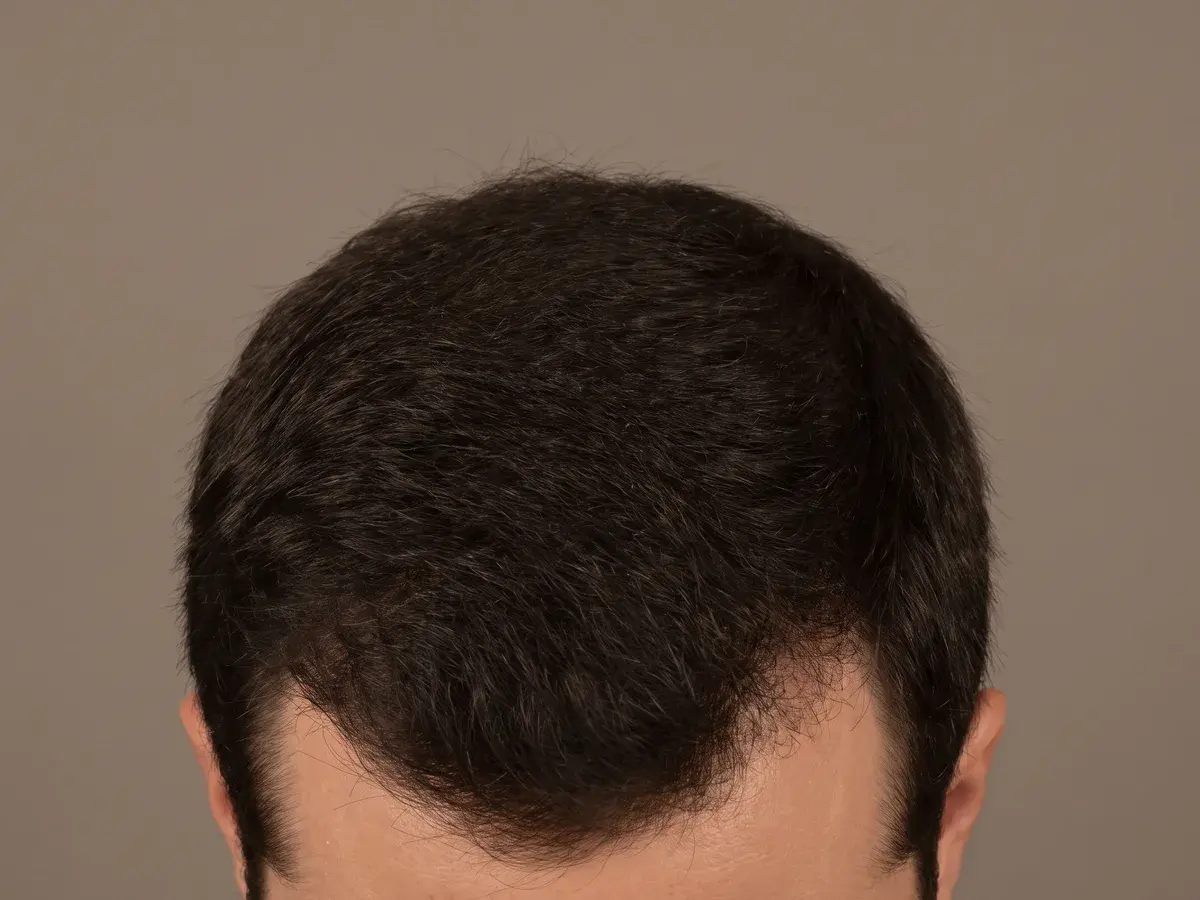 Stage 1
Early thinning
Density is still good. You may be noticing more hair in the shower or a temple corner that has softened, but little scalp shows through.
What it usually meansUsually too early to transplant. The priority is finding the driver and holding on to the hair you have.
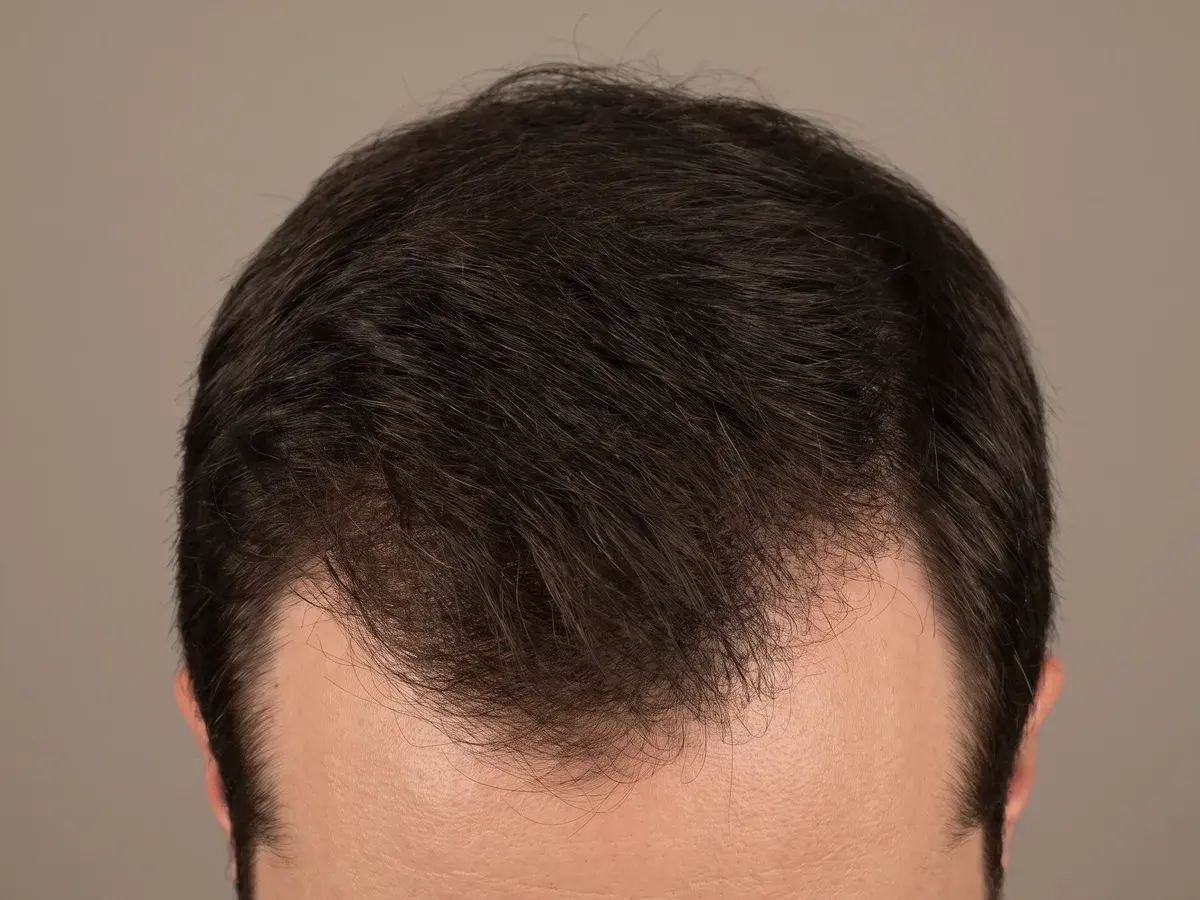 Stage 2
Receding hairline
The hairline has moved back at the temples into a shallow M, while the crown behind it is still covered.
What it usually meansOften a good candidate, provided the loss has settled. Hairline work is where technique and design matter most.
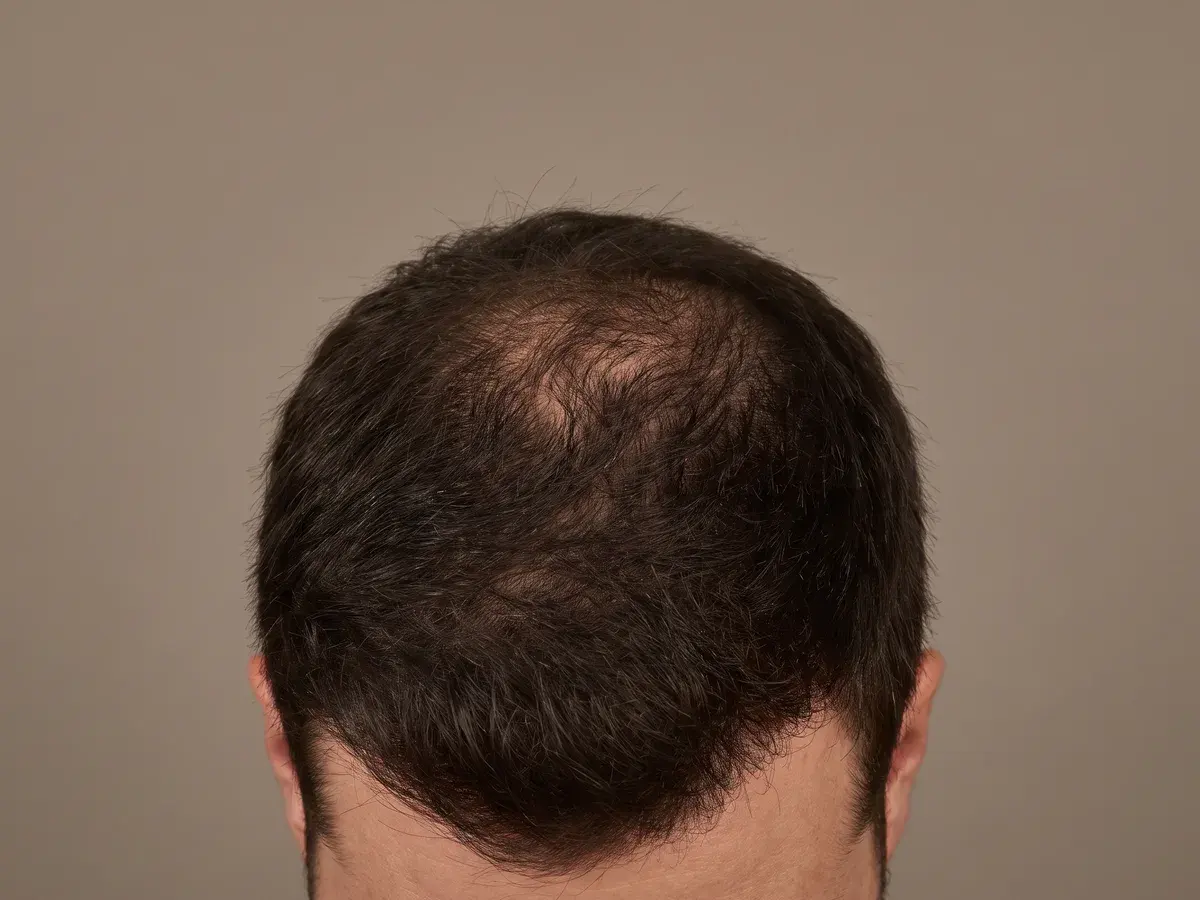 Stage 3
Thinning at the crown
A patch at the crown where scalp shows through, with the front hairline still largely intact.
What it usually meansTreatable, but the crown consumes grafts quickly. Worth planning against what you may need at the front later.
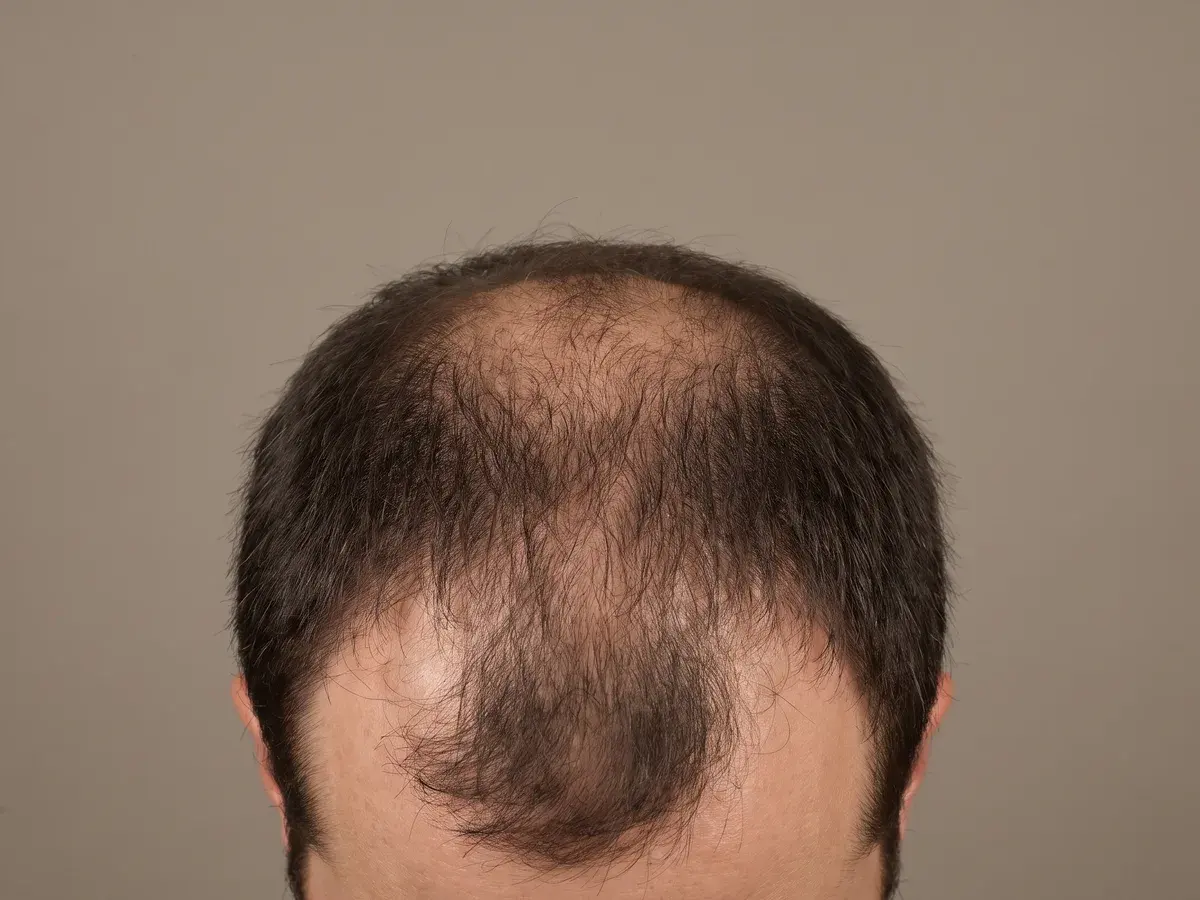 Stage 4
Advanced loss
Front and crown have joined into one area of visible scalp, with hair remaining around the sides and back.
What it usually meansStill treatable, but donor supply becomes the limit. The honest conversation is about coverage priorities, not full restoration.
Illustrations, not patients — these are generated reference images of a generic scalp, drawn to one angle and light so the stages can be compared. Real hair loss rarely lands neatly on a scale, and where you sit is confirmed at consultation, not from a photograph.
Hair transplants suit people with a defined area of loss and enough stable donor hair to cover it. That most often means male pattern hair loss at the hairline, temples or crown, but it also includes women with pattern thinning, hair lost to scarring or burns, and traction alopecia once the tension has stopped.
Timing is part of suitability. Hair loss that is still actively progressing can leave a transplanted hairline stranded as the hair behind it continues to thin, so we would rather stabilise the loss first and transplant into a known pattern than chase it. If that is your situation, we will say so at the consultation.
Diffuse shedding across the whole scalp is usually not a transplant problem. It is more often thyroid, iron, hormonal or stress-related, and it is treated by finding the driver — which is why every hair consultation here starts with the cause rather than the procedure.
- A receding hairline or deepening temples
- Thinning at the crown
- Pattern thinning in women
- Patchy beard or thinned eyebrows
Who it’s not for
A few situations mean it’s better to wait, or to choose a different treatment:
- Insufficient donor density at the back and sides to cover the area you want treated
- Hair loss that is still advancing quickly, where stabilising first gives a better long-term result
- Diffuse shedding across the whole scalp, including the donor area, or an undiagnosed cause of hair loss
- An active scalp infection or inflammatory scalp condition, until it is treated
- Uncontrolled medical conditions, or medicines that affect bleeding and healing
This isn’t exhaustive, and none of it rules you out on its own — your clinician confirms suitability at consultation.
What to Expect from Hair Transplant
- 01
Consultation and hairline design
Dr. Helali examines the scalp, measures donor density, works out the likely pattern of future loss and estimates the grafts needed. The hairline is drawn on and agreed with you before anything is booked. Where bloodwork is useful to rule out a treatable driver, it is done first.
- 02
The day itself
A full day in clinic under local anaesthetic. You are awake and comfortable throughout, and can eat, read or watch something between stages. Larger cases are sometimes split across two days.
- 03
Extraction and placement
Grafts are taken from the donor area, checked and sorted, then placed one by one at the angle and density agreed in your plan. Placement is the slow part, and it is what determines whether the result reads as natural.
- 04
First two weeks
Small crusts form around each graft and settle over roughly the first week to ten days, sometimes with swelling across the forehead in the first few days. You are given a washing routine to follow precisely. Most people are back at desk work within a few days, though visible recovery takes longer.
- 05
Weeks 2 to 8 — the shedding phase
The transplanted hairs fall out. This is expected, it is not the graft failing, and it catches people out when nobody has warned them: the follicle stays in place and returns to a resting phase before it starts growing again.
- 06
Months 3 to 6 — regrowth
New hair begins to appear, fine and often slightly wiry at first, thickening as it lengthens. Progress is uneven across the scalp at this stage, which is normal.
- 07
Months 9 to 12 — the result
Density and texture settle into the final result, with the last refinement continuing to around eighteen months for some people. You are reviewed along the way rather than left to wonder.
Results
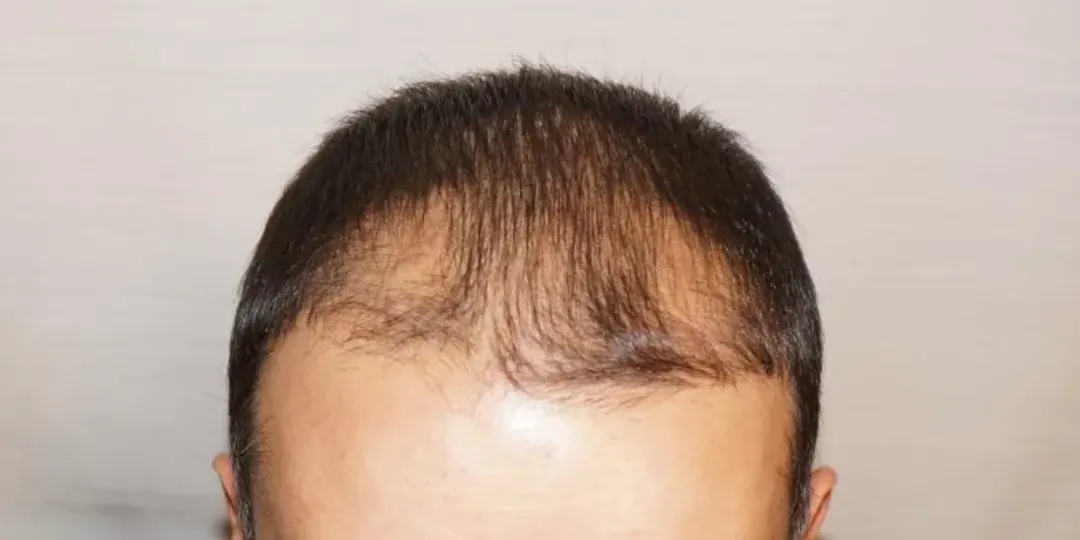
Before 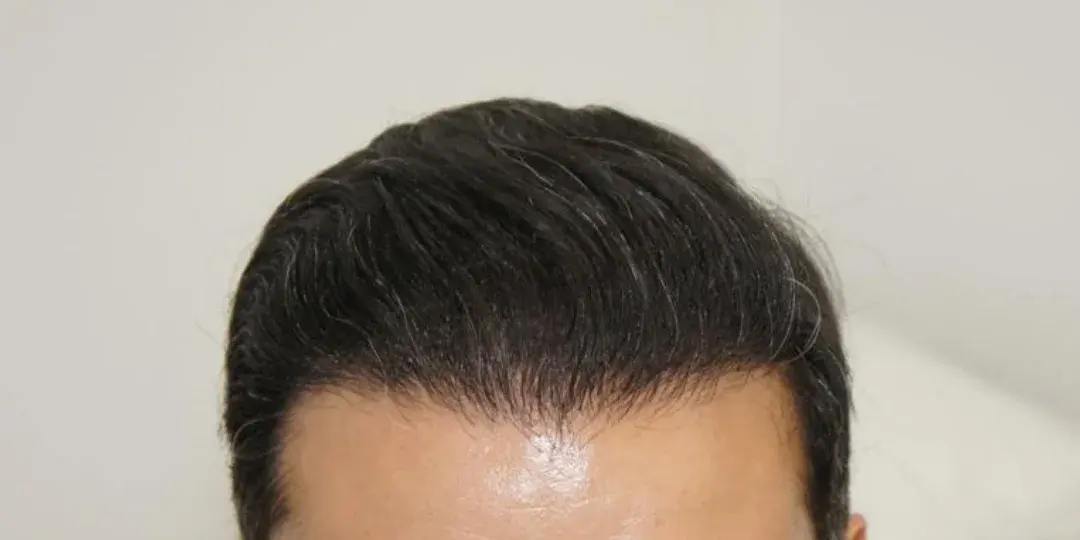
After Case 01
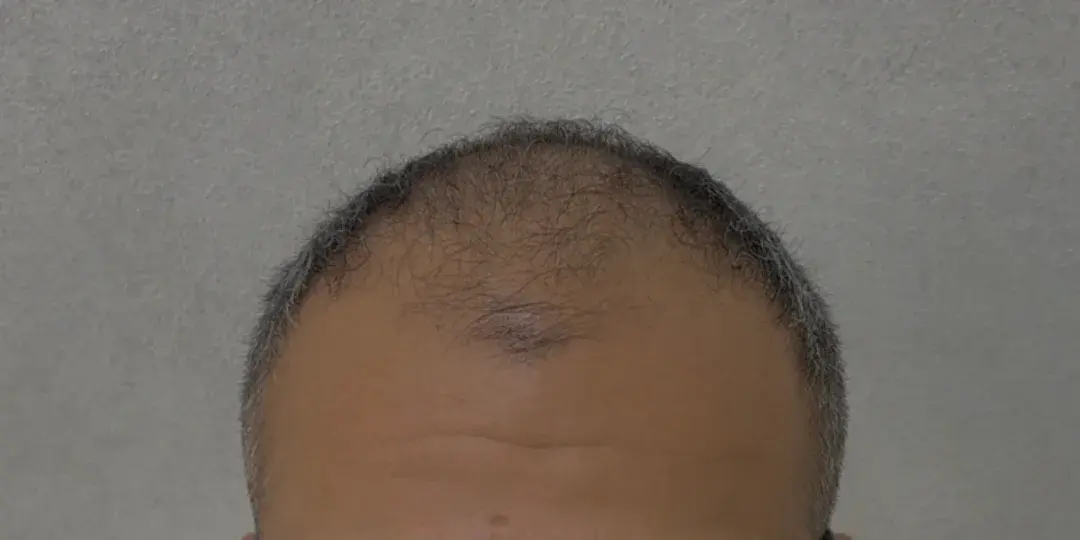
Before 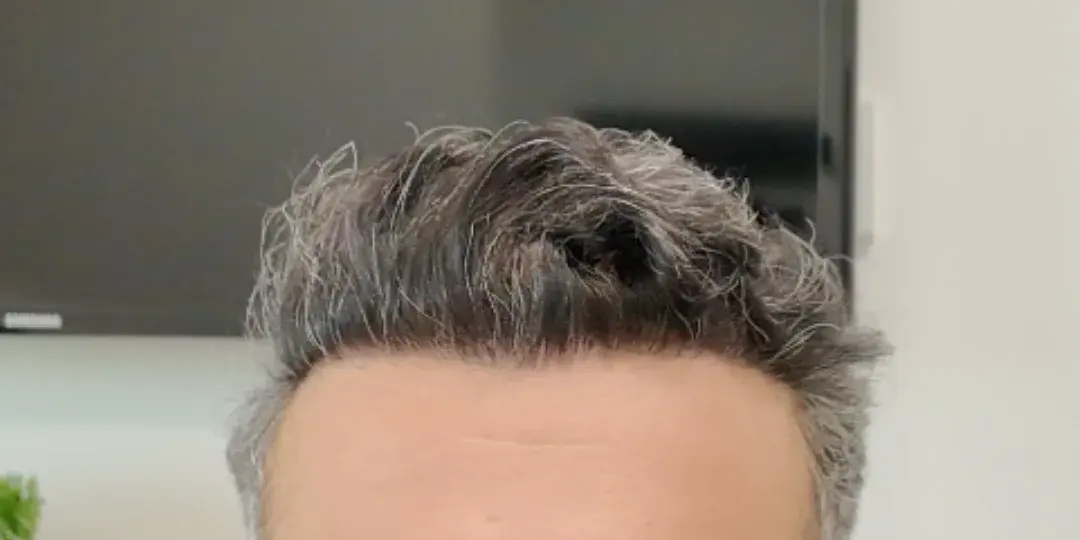
After Case 02
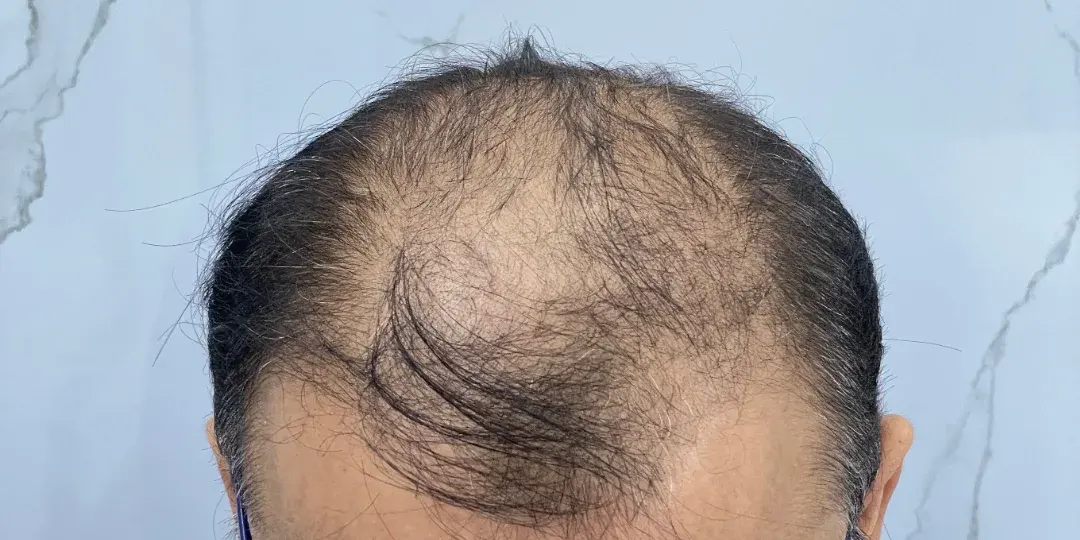
Before 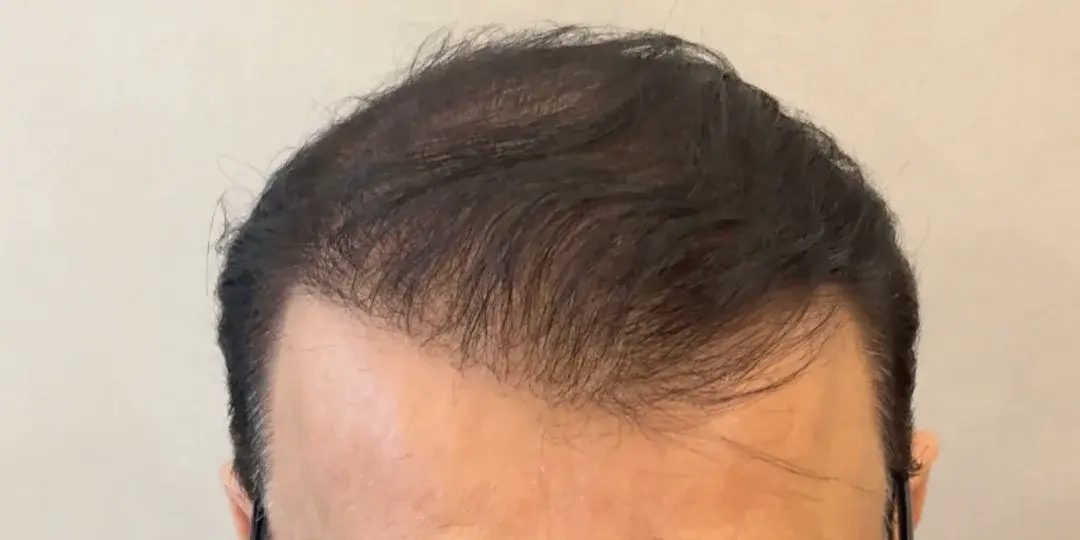
After Case 03
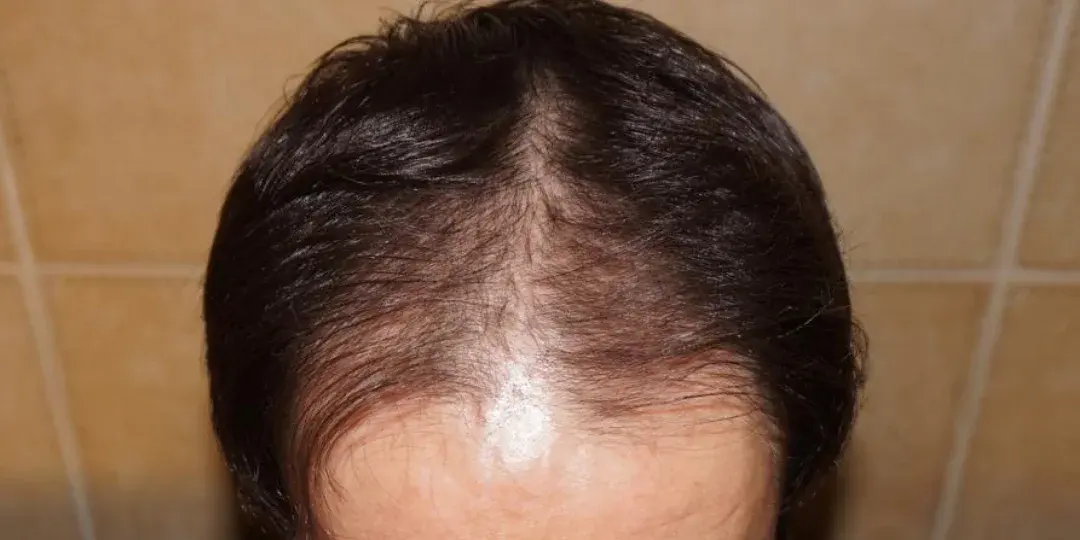
Before 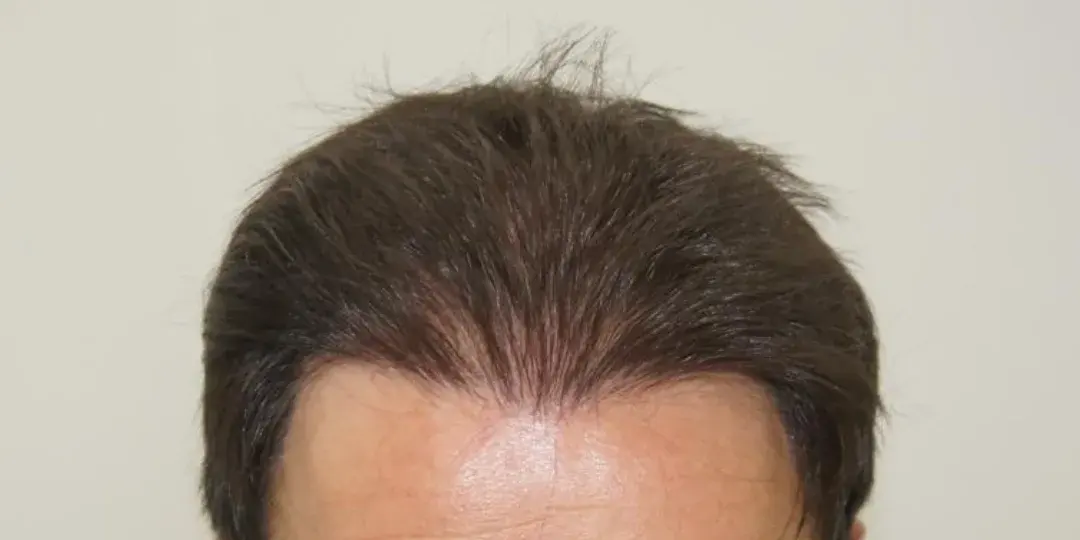
After Case 04
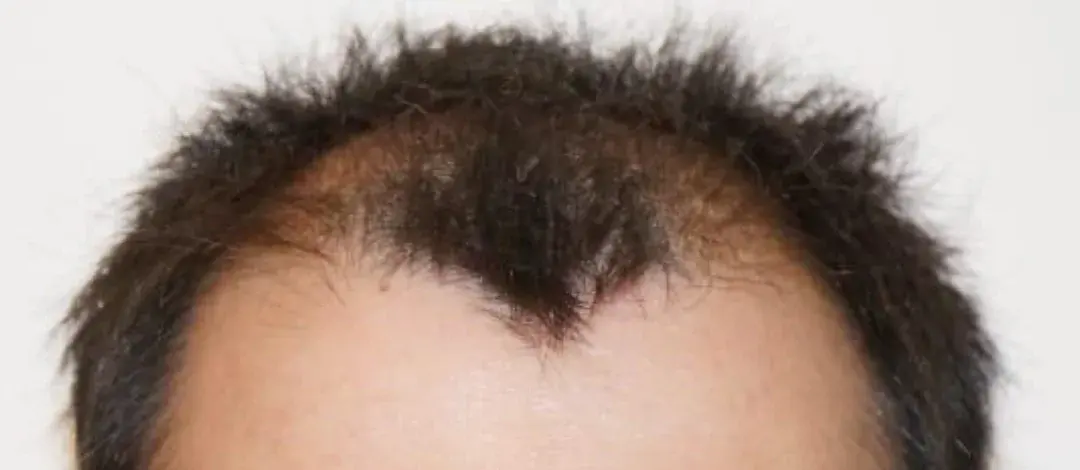
Before 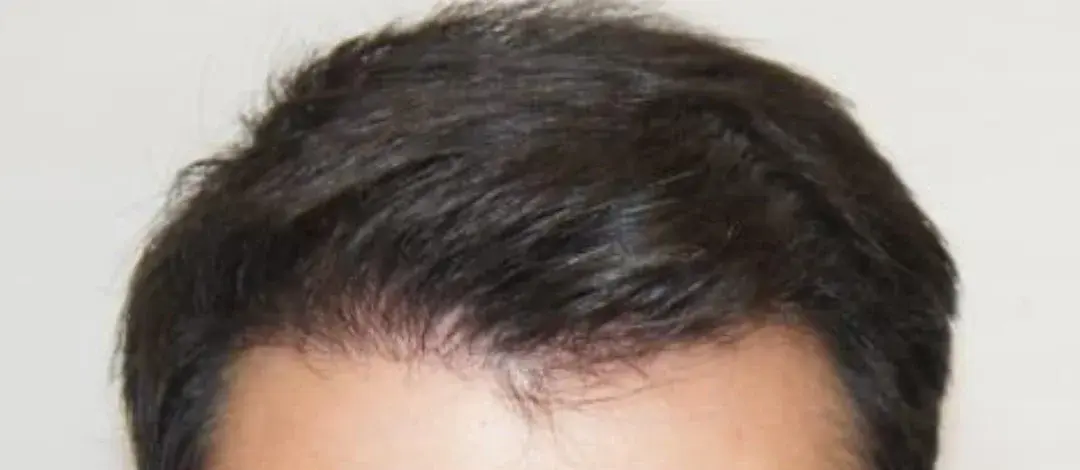
After Case 05
Cases performed by Dr. Amar Helali, published with the patients' written consent and cropped so they are not identifiable. Outcomes differ from person to person — these cases show what was achieved for these patients, not what any given result will be.
Meet Your Practitioner
On Hair Transplant
The donor area is a finite resource. You get one supply of it for life, and every graft taken is a graft you cannot take again — so the question at a first consultation is never just what we can cover today, it is what you will need at fifty. A hairline that looks right at thirty and wrong at forty-five is a planning failure, not a technical one. I would rather transplant fewer grafts into a pattern I can predict than give you a dense hairline with nothing held in reserve.
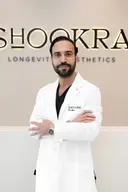 Dr. Amar HelaliHair Transplant Physician · DHA-licensed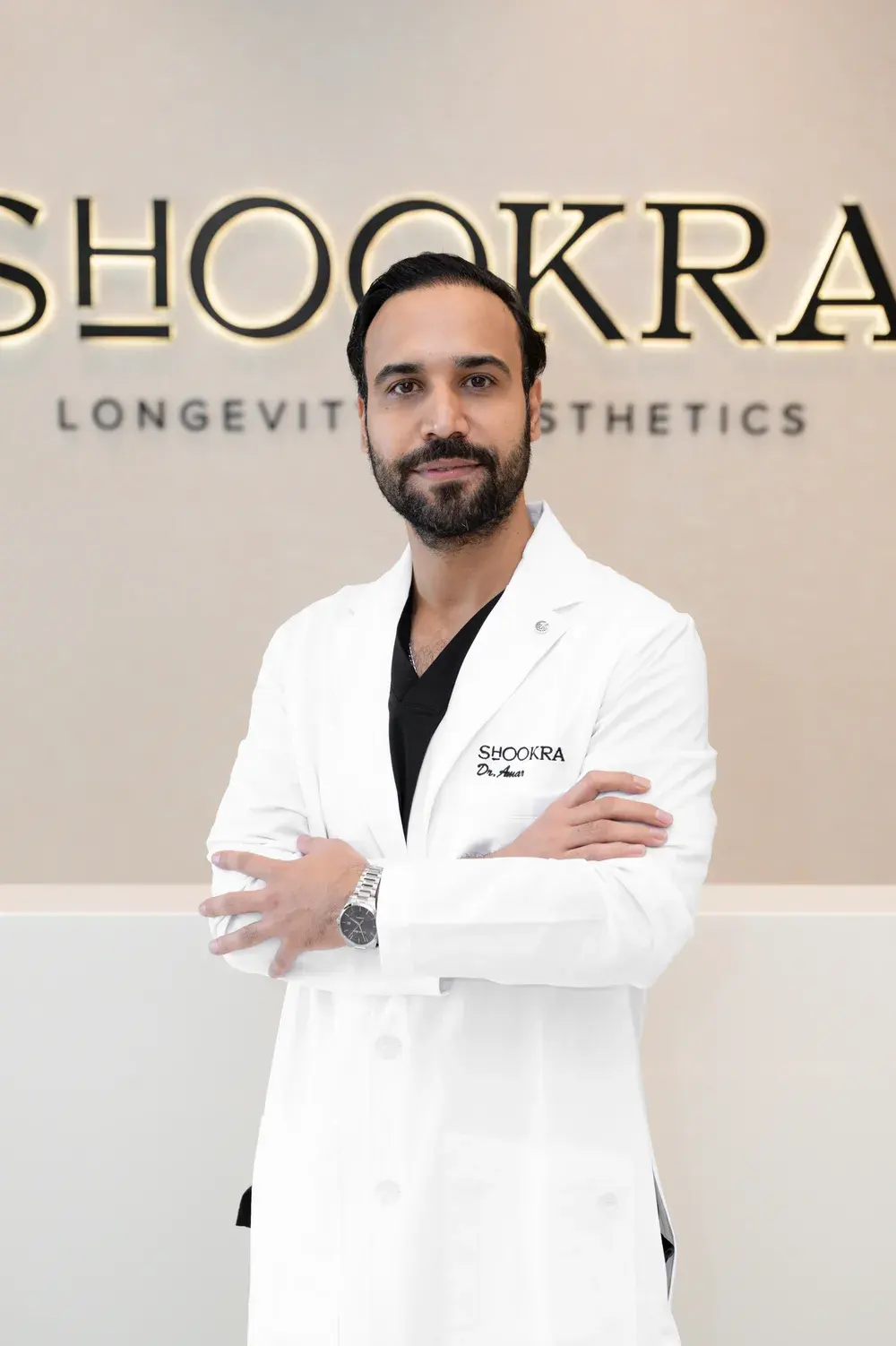
Who performs it
Dr. Amar Helali
Hair Transplant Physician · DHA-licensed
Dr. Amar Helali is a DHA-licensed physician whose practice centres on hair transplantation and aesthetic medicine. He holds an MD from Ahvaz Jundishapour University of Medical Sciences and certification in hair transplantation and facial aesthetics, and has practised in Dubai since 2022 — the last two years focused on hair restoration. He is published in peer-reviewed clinical research, and consults in Arabic, Persian and English.
- Qualification
- MD — Ahvaz Jundishapour University of Medical Sciences
- Licence
- DHA-licensed, practising in Dubai since 2022
- Certification
- Hair transplantation · Master of Facial Aesthetics
- Languages
- Arabic · Persian · English
Why Choose Shookra for Hair Transplant
 01
01Physician-led
Every protocol is planned and supervised by a DHA-licensed doctor.
 02
02Measured, then treated
We read your skin before we treat it, so the plan fits you — not a template.
 03
03Managed over time
Your care is tracked and adjusted as part of one practice, not one-off visits.
 04
04Medical-grade
Clinical protocols and equipment, in a discreet Dubai clinic.
Hair Transplant Questions
01Is a hair transplant permanent?
02How many grafts will I need?
03When will I see results?
04Does it hurt?
05Will it leave a scar?
06When can I go back to work?
07Can women have a hair transplant?
08FUE or DHI — which is better?
09Do I still need PRP or other treatments afterwards?
010How much does a hair transplant cost in Dubai?
011Who performs the procedure at Shookra?
Related treatments
Journal
Related reading

Hair5 min read
PRP for hair: what the evidence supports
An honest look at platelet-rich plasma for hair loss — where it has a reasonable evidence base, and why diagnosis has to come first.
Read article
Hair11 min read
Dubai's Hard Water: What It Can and Can't Do to Your Hair and Skin
Is Dubai's water behind your hair fall or dry skin? What hard water can and can't do, what more often drives shedding, and when to see a dermatologist.
Read article
Hair8 min read
Hair Shedding: How Much Is Normal, and When to Pay Attention
How much hair shedding is normal, how to tell shedding from hair loss, why it spikes in Dubai, how long it lasts and when a scalp assessment is worth booking.
Read article
Where we do it
Hair Transplant in Dubai
Dubai · Business Bay
ShookraRetail 3, 15, Northside, Business Bay, Dubai, UAE+971 50 320 4553Open Mon–Sun · 10:00–22:00
View on Google MapsDubai · Palm Jumeirah
ShookraAndaz Dubai The Palm, 3rd Floor, Palm Jumeirah Rd, Palm Jumeirah, Dubai, UAE+971 50 320 4553Open Mon–Sun · 10:00–22:00
View on Google MapsLicensed & Regulated
DHA-licensed. MOHAP-approved.
Every treatment is delivered at Shookra, a DHA-licensed medical facility in Dubai. Every physician and clinician on our team is DHA-licensed and works to clinical protocol. Our health communications are independently reviewed and approved by the UAE Ministry of Health & Prevention (MOHAP).
Shookra Polyclinic · DHA Facility Permit #3449309 · MOHAP Advertisement Licence T0UOE5NK-020526

Book a consultation
Book your Hair Transplant consultation.
Speak with our team on WhatsApp — we’ll talk through your goals, suitability and pricing.