Hair5 min read
PRP for hair: what the evidence supports
An honest look at platelet-rich plasma for hair loss — where it has a reasonable evidence base, and why diagnosis has to come first.

Hair loss is a symptom, not a diagnosis. It has many causes — genetic patterns, a temporary shed after stress or illness, low iron, thyroid or hormonal shifts, and more — and each is treated differently. Which is why any honest conversation about a treatment like PRP has to start with the cause.
What PRP is
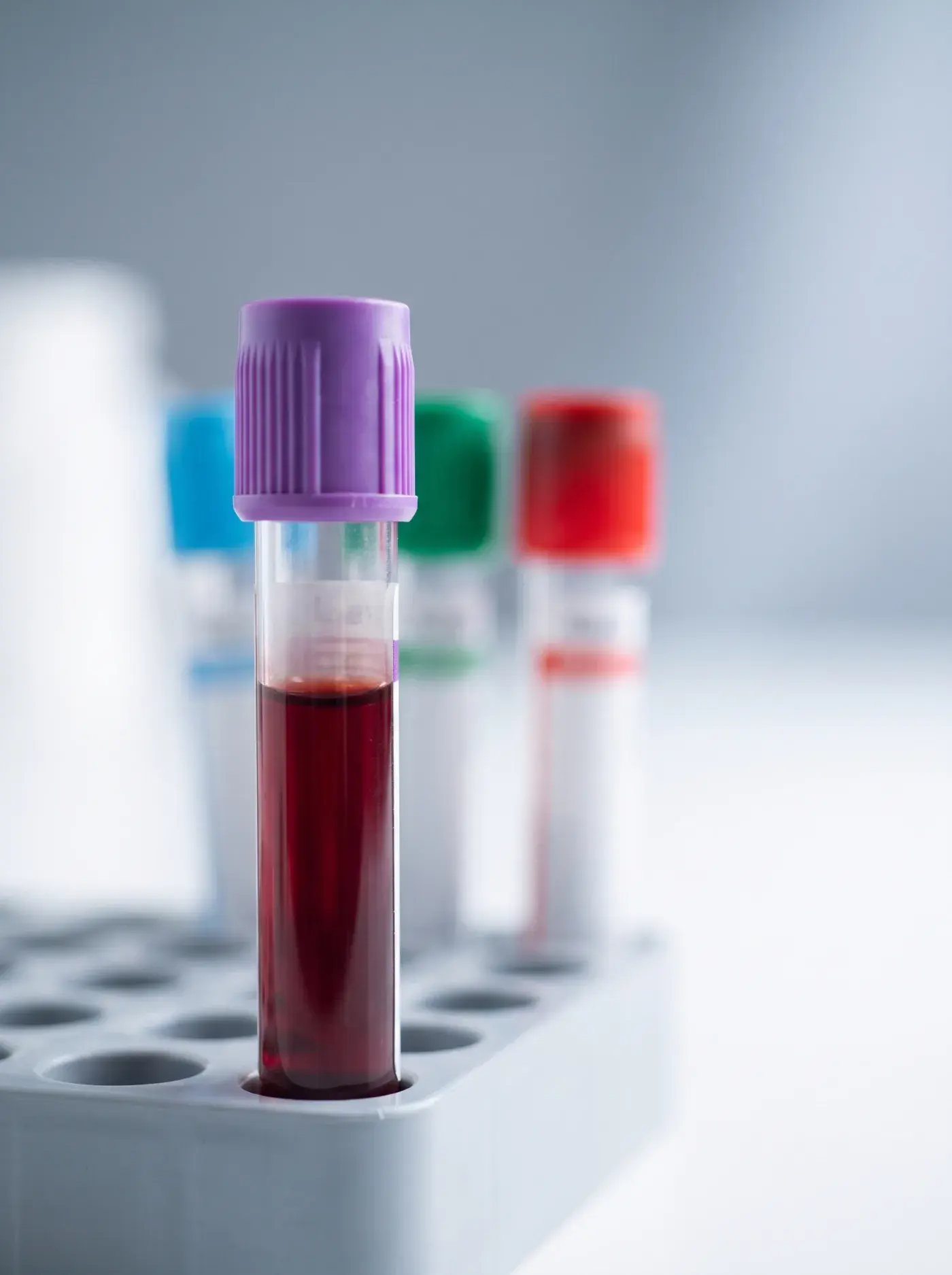
PRP (platelet-rich plasma) uses a concentrate prepared from a small sample of your own blood, applied to the scalp to support the follicle environment. It's typically delivered as a course rather than a single session, with maintenance over time.
What the evidence says
Regenerative options like PRP have a reasonable evidence base for certain types of hair loss. But response varies between people, and no protocol guarantees regrowth — we're candid about what each approach can and cannot do, and your physician will set realistic expectations before you commit.
Why diagnosis comes first
A scalp protocol applied to the wrong cause is effort wasted. If hair loss is being driven by a nutritional gap or a thyroid issue, correcting that directly often does more than any scalp treatment — and the protocols work better once the underlying driver is addressed. So we diagnose first, every time.
Want this for your own biology?
Speak with our team on WhatsApp — we’ll point you to the right protocol, or to a measurement first.