Skin · Regenerative · Dubai
Polynucleotides in Dubai
An injectable skin treatment that uses purified polynucleotides — short, naturally occurring fragments of DNA, often referred to as PDRN — to support the skin’s own repair processes. Delivered under DHA-licensed medical supervision at our Dubai clinic.
Medically reviewed byDr. Nihal HusseinAesthetic & Functional Medicine · DHA-licensedLast reviewed
- Session
- 30–45 min
- Downtime
- Minimal (same day)
- Course
- Typically 2–4 sessions
- Cadence
- A few weeks apart
What Are Polynucleotides?
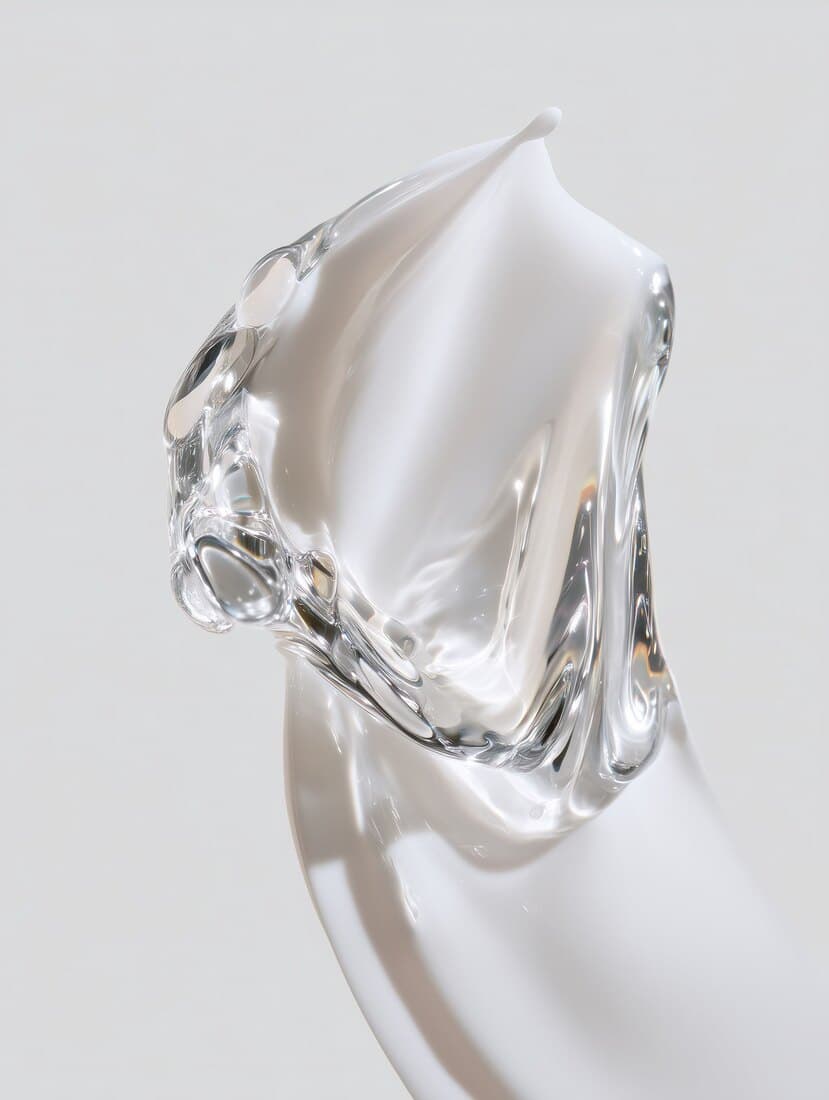
Polynucleotides are an injectable, tissue-repair treatment that uses purified fragments of DNA (PDRN, commonly salmon-derived) placed into the skin to support its own hydration and renewal processes.
These purified chains of DNA are known in the literature as polydeoxyribonucleotide, or PDRN, and are the active component in formulations such as Rejuran. Rather than adding volume or filling a line, they are placed into the skin to work with its existing biology.
Once delivered into the deeper layers, polynucleotides act as a regenerative signal: they hold water within the tissue and are understood to support the activity of fibroblasts, the cells responsible for producing collagen. The aim is to support the skin’s own renewal rather than to mask the signs of ageing.
At Shookra the treatment is doctor-led and planned around a skin assessment. The polynucleotide solution is introduced through fine injections or microneedling, reaching the layer of skin where repair and hydration are regulated.
Who Are Polynucleotides For?
Polynucleotides are typically considered for dehydrated skin that no longer holds moisture well, early loss of firmness, fine lines and crepey texture, or dull, tired-looking skin — including mature or sensitive skin that needs a gentle approach.
Because the treatment works with the skin’s own repair process rather than against it, it is often suitable for sensitive or mature skin. Your clinician confirms whether polynucleotides are appropriate for you, and whether another regenerative option would suit you better, at consultation.
- Skin quality
- Under-eye area
- Dehydrated skin
- Fine lines
- Loss of firmness
- Skin repair
Who it’s not for
A few situations mean it’s better to wait, or to choose a different treatment:
- Active skin infection or inflammation at the treatment site
- Pregnancy or breastfeeding
- Known fish allergy, as PDRN is commonly salmon- or trout-derived
- An active autoimmune flare or uncontrolled medical condition
This isn’t exhaustive, and none of it rules you out on its own — your clinician confirms suitability at consultation.
What to Expect from Polynucleotides
- 01
Assessment & planning
A doctor reviews your skin and goals, confirms suitability, and selects the formulation and delivery method best matched to your skin.
- 02
Treatment
The polynucleotide solution is delivered through fine injections or microneedling into the deeper layers of the skin. A topical numbing cream is used to keep the session comfortable.
- 03
Recovery & course
Most activities can be resumed the same day, though some redness or small raised points may settle over the following day or two. Polynucleotides are usually given as a short course of sessions a few weeks apart, with results building gradually as the skin repairs.
Meet Your Practitioner
On Polynucleotides
I tend to reach for polynucleotides when the priority is skin quality rather than volume — for patients whose skin has become dehydrated or has lost a little of its firmness, but who want a measured, regenerative approach. Because the treatment supports the skin’s own repair, it suits sensitive and mature skin well, and it sits comfortably alongside other parts of a longevity-led plan. I plan it as a short course and assess the response before recommending any maintenance.
 Dr. Nihal HusseinAesthetic & Functional Medicine · DHA-licensed
Why Choose Shookra for Polynucleotides
 01
01Physician-led
Every protocol is planned and supervised by a DHA-licensed doctor.
 02
02Measured, then treated
We read your skin before we treat it, so the plan fits you — not a template.
 03
03Managed over time
Your care is tracked and adjusted as part of one practice, not one-off visits.
 04
04Medical-grade
Clinical protocols and equipment, in a discreet Dubai clinic.
Polynucleotides Questions
01What are polynucleotides made from?
02How are polynucleotides different from fillers?
03Is the treatment suitable for me?
04When might I see results, and how long do they last?
05Is there any downtime?
06What do Polynucleotides cost at Shookra?
Journal
Related reading
Skin & Dermatology9 min read
Dark Circles Under Your Eyes: What Causes Them and What Can Help
What causes under-eye dark circles? Pigment, blood vessels or hollowing. How to tell the types apart, what helps at home and when to see a dermatologist.
Read article
Skin & Dermatology8 min read
Skin Boosters in Dubai: What They Actually Do and Who They Suit
Skin boosters in Dubai at Shookra, Business Bay. How hyaluronic acid and polynucleotide boosters improve hydration, texture and glow, and who they suit.
Read article
IV Therapy4 min read
What to expect from medical-grade IV therapy
Not a flavour menu. How clinician-supervised IV drips are compounded by intent — and what makes a medical drip different.
Read article
Where we do it
Polynucleotides in Dubai
Dubai · Business Bay
ShookraRetail 3, 15, Northside, Business Bay, Dubai, UAE+971 50 320 4553Open Mon–Sun · 10:00–22:00
View on Google MapsDubai · Palm Jumeirah
ShookraAndaz Dubai The Palm, 3rd Floor, Palm Jumeirah Rd, Palm Jumeirah, Dubai, UAE+971 50 320 4553Open Mon–Sun · 10:00–22:00
View on Google MapsLicensed & Regulated
DHA-licensed. MOHAP-approved.
Every treatment is delivered at Shookra, a DHA-licensed medical facility in Dubai. Every physician and clinician on our team is DHA-licensed and works to clinical protocol. Our health communications are independently reviewed and approved by the UAE Ministry of Health & Prevention (MOHAP).
Shookra Polyclinic · DHA Facility Permit #3449309 · MOHAP Advertisement Licence T0UOE5NK-020526

Book a consultation
Book your Polynucleotides consultation.
Speak with our team on WhatsApp — we’ll talk through your goals, suitability and pricing.