Regenerative · Dubai
Regenerative Aesthetics in Dubai
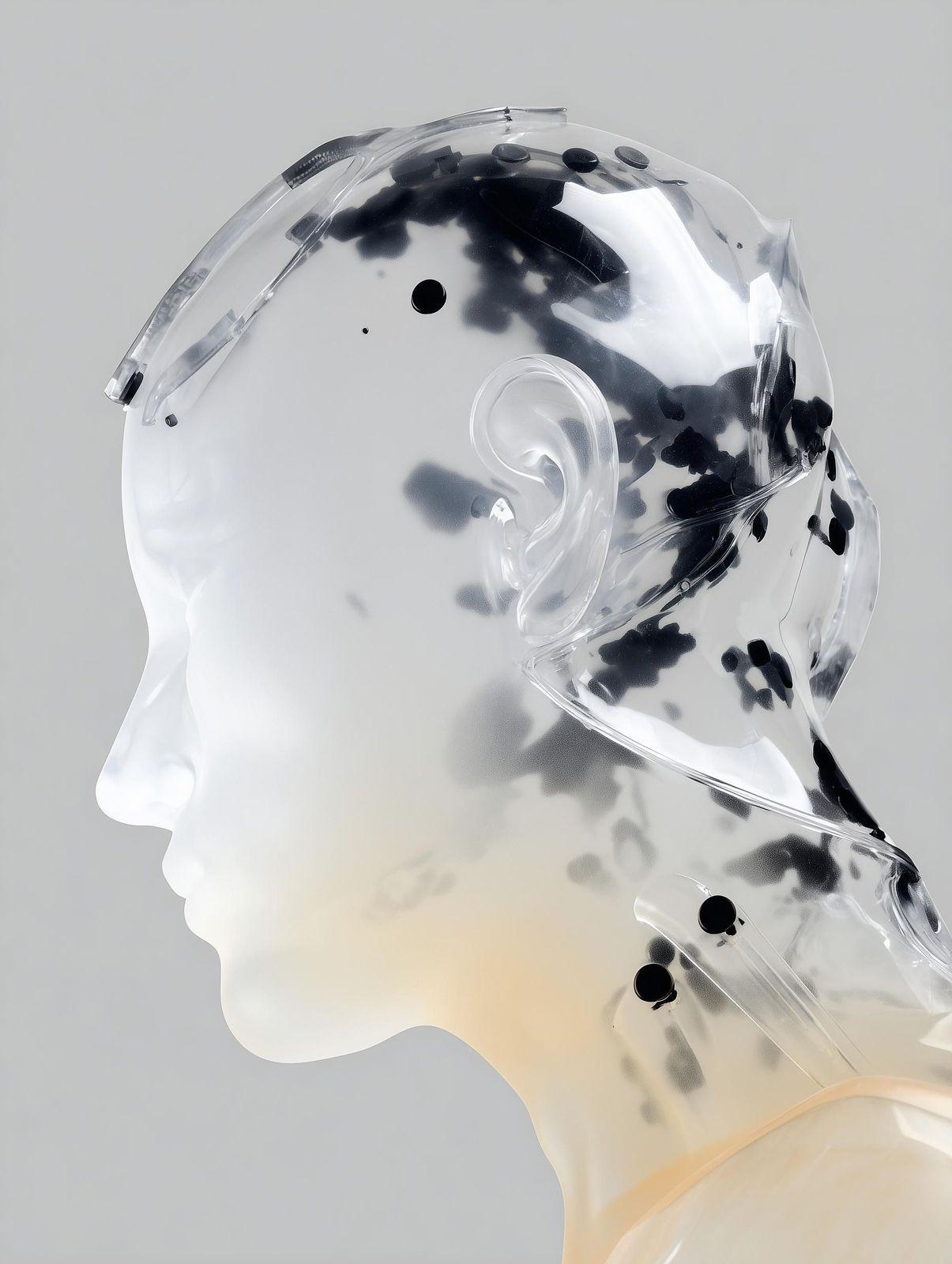
Regenerative aesthetics is a family of treatments that work with your skin's own repair processes rather than against them. Instead of a single product, it covers a set of modalities — exosomes, polynucleotides, platelet-rich plasma (PRP) and collagen-stimulating injectables — each chosen at consultation to suit your skin and your goals. Every treatment is delivered under DHA-licensed medical supervision at our Dubai clinic.
Medically reviewed byDr. Hassan HamdanGeneral Practitioner · DHA-licensedLast reviewed
- Approach
- Doctor-led, skin's own repair
- Modalities
- Exosomes, polynucleotides, PRP, biostimulators
- Results
- Build gradually over weeks
- Supervision
- DHA-licensed clinician
What Is Regenerative Aesthetics?
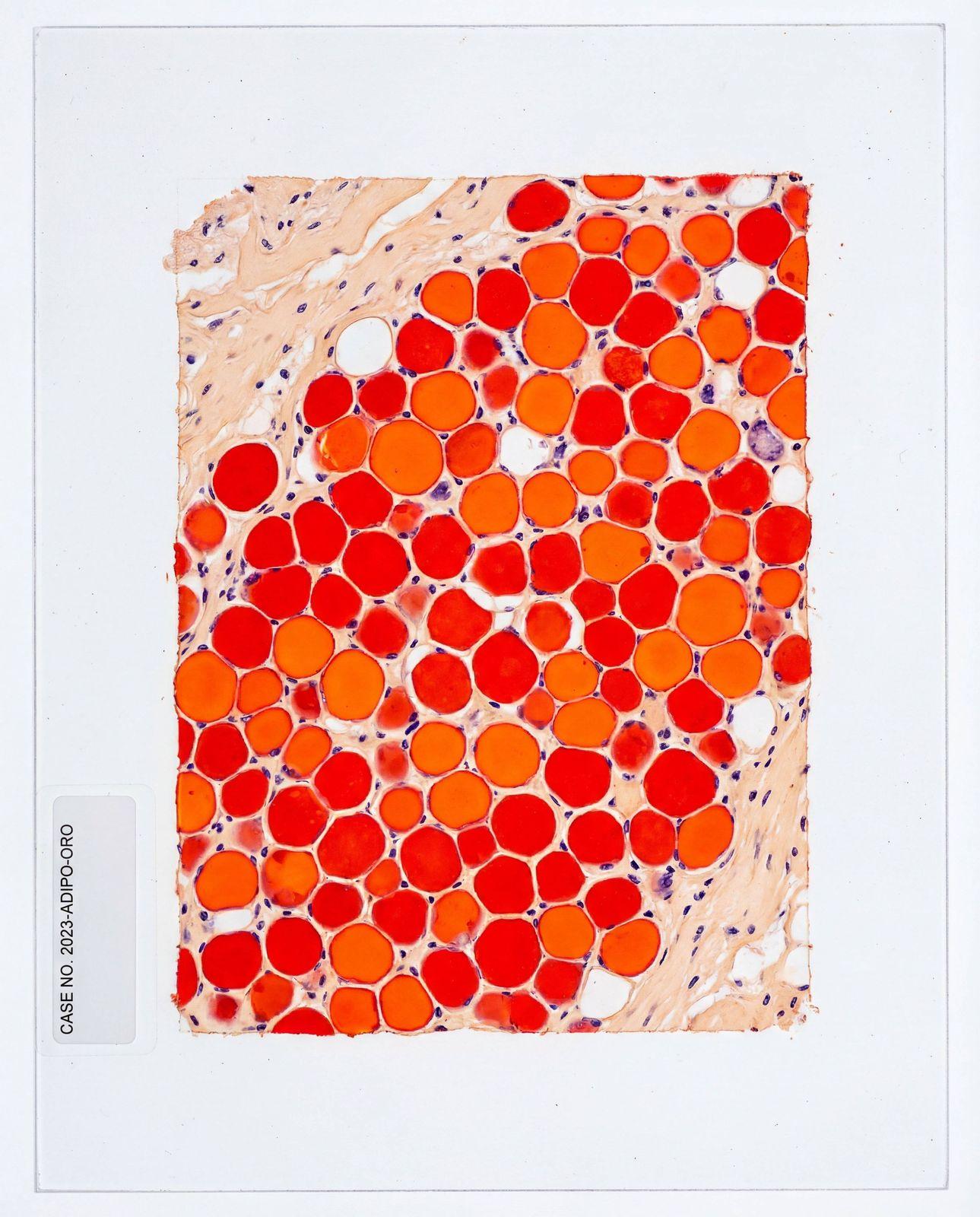
Regenerative aesthetics is an approach that uses the body's own repair biology — growth factors, polynucleotides, exosomes and collagen stimulation — to improve skin quality rather than only mask the surface.
Rather than naming one treatment, regenerative aesthetics describes an approach: using the skin's own biology — its repair signalling, cellular renewal and collagen production — as the mechanism for improving skin quality over time. The aim is gradual, structural change in how the skin looks and behaves, not a temporary surface effect.
The category spans several modalities, each working through a different part of that biology. Polynucleotides are purified fragments studied for their role in skin repair and hydration. Exosomes are signalling vesicles explored for their part in cell-to-cell communication. PRP concentrates components from a small sample of your own blood. Biostimulators are injectable materials that prompt the skin's own collagen production. The right modality — or combination — is selected for the skin in front of the clinician.
At Shookra, these treatments are carried out under doctor-led clinical protocols. Your clinician assesses your skin, discusses what is realistic, and builds a plan that often layers regenerative work with your wider skincare rather than treating it in isolation. Some modalities are used in a short course; the approach is matched to your concern, not applied to a fixed formula.
Who Is Regenerative Aesthetics For?
Regenerative aesthetics tends to suit people who want to work on the underlying quality of their skin — its firmness, texture and overall condition — rather than chase an immediate, surface-only result. It can be a considered next step for skin that looks tired, has lost some bounce, or shows early structural changes that a topical routine alone has stopped improving.
Because the category covers several different modalities, the approach can be kept gentle and exploratory or built into a more structured plan, depending on your skin and your goals. Your clinician confirms whether a regenerative approach is appropriate, which modality fits, and reviews your health history, medications and any active skin concerns before recommending anything.
- Dullness and tired-looking skin
- Loss of firmness and skin laxity
- Uneven or rough skin texture
- Skin repair and post-treatment recovery
- Early lines and surface ageing
Who it’s not for
A few situations mean it’s better to wait, or to choose a different treatment:
- An active skin infection, inflammation or broken skin in the treatment area
- Pregnancy or breastfeeding
- Active cancer, or immunosuppression
- Known hypersensitivity to a treatment material being considered
This isn’t exhaustive, and none of it rules you out on its own — your clinician confirms suitability at consultation.
What to Expect from Regenerative Aesthetics
- 01
Consult & assessment
Your skin, goals and health history are assessed. Your clinician explains which regenerative modality — or combination — suits you, what it can realistically achieve, and over what timeframe, before anything is agreed.
- 02
The chosen modality
The selected treatment is carried out under medical supervision. The specifics depend on the modality chosen — your clinician walks you through what that particular session involves and what you may feel during it.
- 03
Aftercare & plan
You receive aftercare guidance suited to the modality used, and where a course is appropriate, a plan for follow-up sessions. Regenerative results tend to build gradually, so your clinician sets review points to track how your skin responds.
Meet Your Practitioner
On Regenerative Aesthetics
I think of regenerative work as supporting the skin's own repair rather than overriding it, so my starting point is always the assessment — what the skin actually needs, and whether a regenerative approach is the right tool at all. These treatments tend to reward patience: the changes are gradual and structural, not instant, so I set honest expectations and review the skin between steps. Where it fits, I prefer to combine a regenerative modality with good day-to-day skincare rather than rely on it alone.
 Dr. Hassan HamdanGeneral Practitioner · DHA-licensed
Why Choose Shookra for Regenerative Aesthetics
 01
01Physician-led
Every protocol is planned and supervised by a DHA-licensed doctor.
 02
02Measured, then treated
We read your skin before we treat it, so the plan fits you — not a template.
 03
03Managed over time
Your care is tracked and adjusted as part of one practice, not one-off visits.
 04
04Medical-grade
Clinical protocols and equipment, in a discreet Dubai clinic.
Regenerative Aesthetics Questions
01What does regenerative aesthetics actually mean?
02Which treatments fall under this category?
03How quickly will I see results?
04How do I know which modality is right for me?
05Is regenerative aesthetics suitable for everyone?
06What does regenerative aesthetics cost at Shookra?
Journal
Related reading
Skin & Dermatology9 min read
Dark Circles Under Your Eyes: What Causes Them and What Can Help
What causes under-eye dark circles? Pigment, blood vessels or hollowing. How to tell the types apart, what helps at home and when to see a dermatologist.
Read article
Skin & Dermatology5 min read
Hydrafacial for men: a modern fountain of youth
Discover how Hydrafacial differs from other facial treatments, and whether you can combine it with other aesthetic procedures.
Read article
Skin & Dermatology4 min read
Skin is the biomarker you can see
The same drivers that shape how you age internally show up first in the skin. Why we treat aesthetic medicine as part of the longevity picture.
Read article
Where we do it
Regenerative Aesthetics in Dubai
Dubai · Business Bay
ShookraRetail 3, 15, Northside, Business Bay, Dubai, UAE+971 50 320 4553Open Mon–Sun · 10:00–22:00
View on Google MapsDubai · Palm Jumeirah
ShookraAndaz Dubai The Palm, 3rd Floor, Palm Jumeirah Rd, Palm Jumeirah, Dubai, UAE+971 50 320 4553Open Mon–Sun · 10:00–22:00
View on Google MapsLicensed & Regulated
DHA-licensed. MOHAP-approved.
Every treatment is delivered at Shookra, a DHA-licensed medical facility in Dubai. Every physician and clinician on our team is DHA-licensed and works to clinical protocol. Our health communications are independently reviewed and approved by the UAE Ministry of Health & Prevention (MOHAP).
Shookra Polyclinic · DHA Facility Permit #3449309 · MOHAP Advertisement Licence T0UOE5NK-020526

Book a consultation
Book your Regenerative Aesthetics consultation.
Speak with our team on WhatsApp — we’ll talk through your goals, suitability and pricing.