Skin & Dermatology8 min read
Pico Laser in Dubai: How It Works for Pigmentation, Scars and Skin Renewal
Pico laser in Dubai explained: how picosecond technology treats pigmentation, acne scars and tattoos, safety for darker skin tones, sessions, downtime and results.
Pico laser has become one of the most requested treatments in Dubai, and for a defensible reason: it addresses the concerns this climate creates most, pigmentation, sun damage and uneven tone, with less heat and less downtime than the laser generations before it. It is also widely marketed, variably delivered and frequently offered without the assessment that makes it work.
This guide explains what pico laser treatment at Shookra actually does, what it treats well, how it compares with other lasers, what sessions and recovery look like, and the question that matters most in a city this diverse: how it performs on darker skin tones.
What Is a Pico Laser?
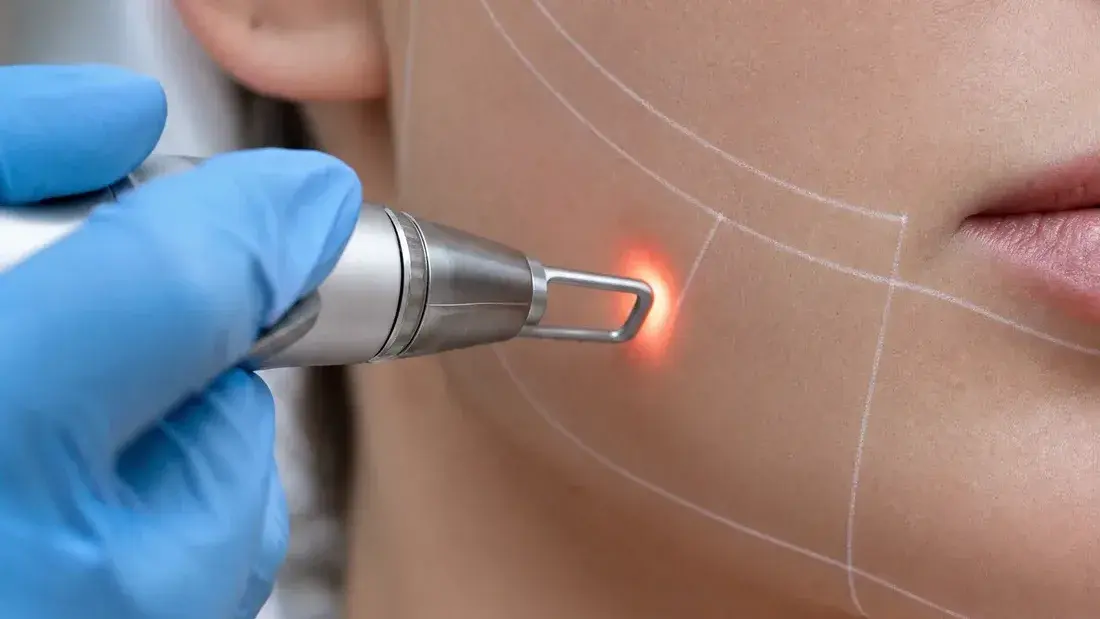
A pico laser delivers energy in ultra-short pulses measured in picoseconds, which are trillionths of a second. Pulses this brief shatter pigment particles mechanically, through a photoacoustic effect, rather than heating them as older nanosecond lasers do. The skin experiences less thermal stress, pigment breaks into finer fragments the body clears naturally, and downtime is typically minimal.
The distinction is worth understanding because it explains both the benefits and the marketing. Traditional Q-switched lasers rely mainly on heat to break pigment, and heat is the enemy of reactive, pigment-prone skin. By compressing the energy into a far shorter pulse, pico technology converts more of it into a mechanical shockwave and less into heat. The result is a laser that can treat pigment effectively while giving the surrounding skin an easier time.
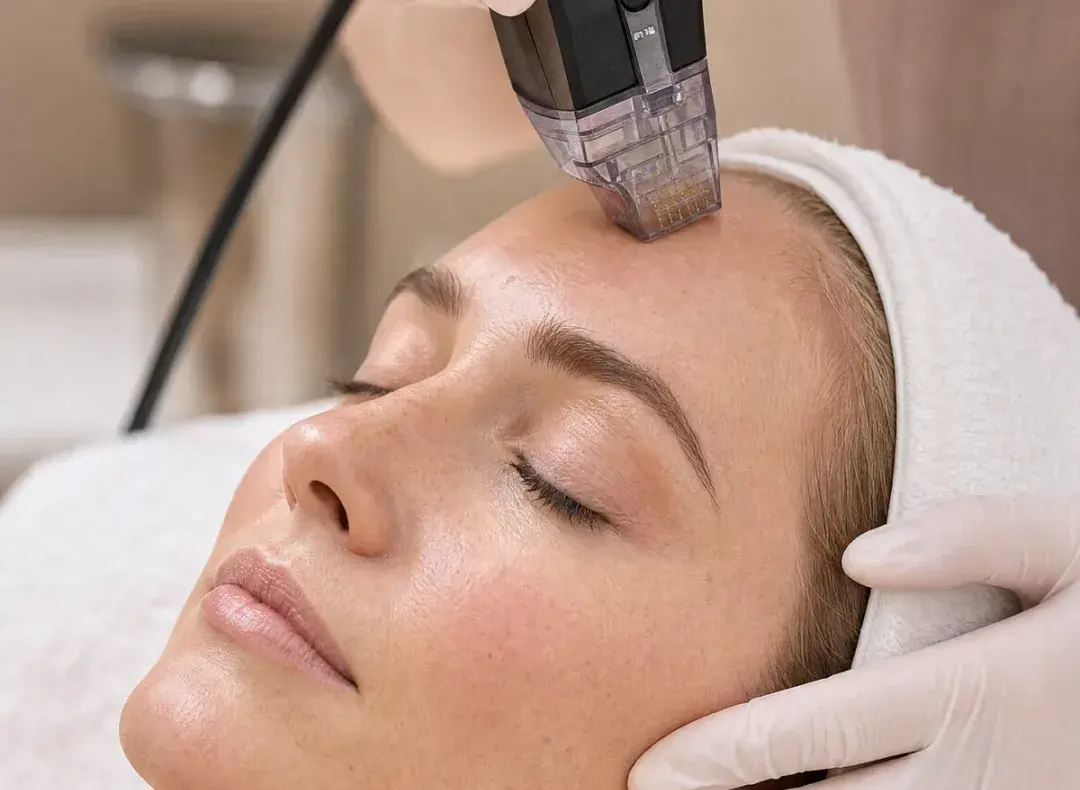
Certain pico handpieces also create controlled micro-injuries beneath the skin surface without breaking it, a mechanism used to stimulate collagen remodelling for acne scars and general skin renewal.
What Does Pico Laser Treat?
Pico laser is a pigment and renewal specialist rather than a cure-all. It is commonly used for:
- Sun spots and uneven pigmentation. Discrete sun-induced spots and general unevenness respond well, because the laser targets melanin directly. This is the core use case in Dubai, where cumulative sun exposure drives most hyperpigmentation.
- Melasma, with caution. Pico's lower heat makes it one of the more suitable lasers for melasma, but melasma remains a chronic, easily provoked condition. It is treated conservatively, at low energies, alongside topicals and strict light protection, and never as a first-line quick fix.
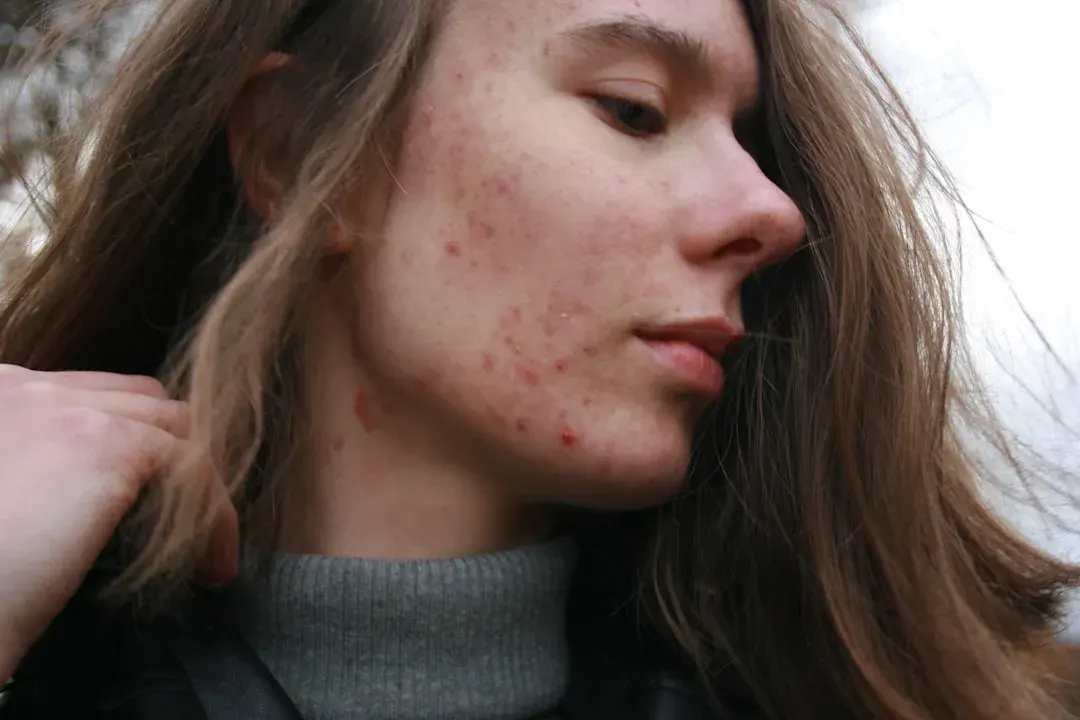
- Post-inflammatory marks and acne scars. Dark marks left by breakouts respond to pigment targeting, while textural acne scarring is addressed through the collagen-remodelling mode over a course of sessions.
- Tattoo removal. Pico technology is a standard for tattoo removal, fragmenting ink more finely than older lasers and handling stubborn colours better. Complete clearance can never be promised for any tattoo, and the number of sessions varies widely with ink, depth and colour.
- Overall skin tone and brightness. Lower-energy full-face treatments are used for general dullness, fine lines and early sun damage, often described as laser toning or pico skin rejuvenation.
What pico laser does not do is equally important: it does not tighten loose skin, replace resurfacing for deep wrinkles, or treat redness-led conditions such as rosacea, and for skin rejuvenation concerns led by laxity rather than pigment, other technologies do more. A clinic that recommends it for everything is selling a device rather than a diagnosis.
Is Pico Laser Good for Your Skin?
Used appropriately, yes. Pico laser removes damaged pigment, stimulates collagen and improves tone and texture with comparatively little stress on the skin, and clinical studies support its effectiveness for pigmentation, acne scarring and tattoo removal. It is non-ablative, meaning the skin surface stays intact, which keeps recovery short and infection risk low.
The qualifiers are the same as for any energy-based treatment. Results and side effects depend on the settings chosen, the operator's skill and whether the diagnosis was right in the first place. Temporary redness and mild swelling are normal; in the wrong hands or at the wrong parameters, any pigment laser can cause burns, texture change or new pigmentation. The device is only as good as the assessment behind it.
Is Pico Laser Safe for Darker Skin Tones?
This is the question that matters most in Dubai, where most skin is Fitzpatrick type III to VI. Darker skin tones carry a higher risk of post-inflammatory hyperpigmentation from any heat-based treatment, because their melanocytes are more reactive. Pico's short pulses produce less heat than older lasers, which is precisely why it has become a preferred pigment laser for deeper skin tones.
Preferred does not mean foolproof. Safe treatment of types IV to VI still demands adapted settings, conservative energies, sensible spacing between sessions, and often preparatory pigment-regulating skincare. Sometimes it means a test patch first, and sometimes it means recommending a different approach entirely. Experience with diverse skin is not optional here; it is the difference between clearing pigmentation and creating it. It is a fair question to put directly to any clinic: how do you adapt pico laser for my skin type, and how often do you treat skin like mine?
Is Pico Laser Better Than CO2 Laser?
They are different tools rather than competitors. Pico laser is non-ablative and pigment-focused: it treats spots, uneven tone and marks with minimal downtime, and improves scars gradually. CO2 laser is ablative resurfacing: it removes the skin surface to rebuild deeper wrinkles and more severe scarring, at the cost of significant downtime and, in darker skin tones, meaningful pigmentation risk.
For the concerns most people in Dubai bring, pigmentation, sun damage and post-acne marks on skin that tans easily, pico is usually the more appropriate instrument. For deep static wrinkles or severe rolling scars on lighter skin, ablative resurfacing or a combination approach may achieve more. Where texture and laxity are the primary concern, radiofrequency microneedling with Morpheus8 is often the better-matched technology. This is exactly the kind of judgement a consultation exists to make.
What Happens During a Pico Laser Session?
At our Business Bay clinic, treatment starts before the laser does: a dermatological assessment of your pigmentation, skin type, history and goals, because pigment that is actually melasma, or a lesion that needs medical review, changes the plan entirely. Chronic pigmentation is diagnosed before it is treated, and anything suspicious is examined first, never lasered.
The procedure itself is straightforward. Skin is cleansed, eyes are shielded, and the handpiece delivers rapid pulses that most clients describe as quick snapping sensations, well tolerated without numbing for most indications. A face treatment typically takes twenty to thirty minutes. Afterwards, expect mild redness and warmth for a few hours, occasionally a day or two; treated spots often darken slightly and flake off over the following week, which is the pigment clearing.
Aftercare in this climate has one non-negotiable: rigorous sun protection. Freshly treated skin is vulnerable to UV, and unprotected exposure is the fastest way to undo the treatment or provoke new pigment. Daily broad-spectrum SPF 50 and shade discipline are part of the protocol, not a suggestion.
How Many Sessions Are Needed, and How Long Do Results Last?
Both depend on the indication and on your skin. Discrete sun spots may improve meaningfully in one to three sessions. General tone and revitalisation are usually planned as a course of three to six sessions spaced around a month apart. Acne scarring typically needs a longer course, as collagen remodelling builds over months. Tattoo removal is the most variable of all, commonly four to ten sessions or more depending on ink density, colours and depth.
Longevity follows the same logic as all pigment treatment in Dubai. Pigment that has been cleared does not return by itself, but nothing stops the skin producing new pigment if the original driver continues. Sun-induced spots stay away in proportion to how well the skin is protected afterwards; melasma requires ongoing maintenance by nature. Results vary between individuals and skin types, which is why we review progress between sessions and adjust the plan rather than selling fixed packages of identical treatments. Skin quality also tracks broader health, sleep and stress, a connection explored in skin as the biomarker you can see.
How Much Does Pico Laser Cost in Dubai?
Pricing in Dubai varies significantly between clinics, and it reflects real differences: the device generation, the operator's qualifications and experience, whether a doctor's assessment and follow-up reviews are included, and the size and number of areas treated. Tattoo removal is usually priced by size and session; facial treatments by session or course.
We confirm costs transparently at consultation once your plan is agreed, because an honest quote requires knowing what you are treating and how many sessions it genuinely needs. As with peels and injectables, unusually cheap laser treatment deserves scepticism rather than celebration: with energy-based devices, the training of the person holding the handpiece is what you are actually paying for.
Is Pico Laser Worth the Money?
For the right indication, pico laser is one of the more worthwhile investments in aesthetic dermatology: it treats the pigmentary concerns this region produces constantly, it does so with minimal downtime, and its results are visible and measurable. Where it disappoints is when it is sold as a universal fix, applied to the wrong diagnosis, or delivered without the skin-type adaptation that Dubai's population requires.
The honest answer, then, is that worth depends on matching the tool to the problem. That is an assessment question, and it costs nothing to ask.
Why Have Pico Laser at Shookra?
Shookra is a DHA-licensed clinic in Business Bay where laser treatment is medically led. Pigmentation is assessed by our dermatology team under Dr. Natalia Chaikovskaia, whose twenty years of practice and PhD in dermatology inform the diagnosis before any device is switched on, and treatments are delivered by DHA-licensed laser practitioners led by our head nurse, Greshma Xavier, with over a decade in aesthetic laser medicine. Pico laser here also sits within a broader toolkit, from chemical peels to radiofrequency microneedling, so the recommendation you receive is the right treatment for your skin, not simply the device on the menu.
If you are considering pico laser in Dubai, book a consultation and we will assess your skin honestly, including whether pico laser is the right tool for it at all.
Frequently Asked Questions
How much does pico laser cost in Dubai?
Costs vary with the device, the practitioner's qualifications, the area treated and the number of sessions your concern genuinely needs. Facial treatments are priced per session or course; tattoo removal by size. Reputable clinics confirm exact pricing at consultation after assessing your skin, rather than quoting blind.
Is pico laser worth the money?
For pigmentation, sun damage, post-acne marks and tattoo removal, evidence and clinical experience support it as one of the more effective low-downtime options available. It is worth it when the diagnosis is right; it disappoints when sold as a fix for everything. An honest assessment is what protects the investment.
Is pico laser better than CO2 laser?
They do different jobs. Pico is non-ablative and pigment-focused, with minimal downtime, and suits pigmentation and marks, especially on darker skin tones. CO2 is ablative resurfacing for deep wrinkles and severe scarring, with significant downtime and higher pigmentation risk in deeper skin types. The right choice depends on your concern and skin.
How long do pico laser results last?
Cleared pigment does not return by itself, but skin can produce new pigment if sun exposure continues, so longevity is largely decided by daily SPF and sun habits. Sun spot improvements commonly last with protection; melasma needs ongoing maintenance; collagen-based scar improvements build over months and are long-lasting.
Is pico laser safe for dark skin?
Pico's ultra-short pulses produce less heat than older lasers, making it one of the preferred pigment lasers for Fitzpatrick types III to VI. Safety still depends on adapted settings, conservative energies and an experienced practitioner, as darker skin tones carry higher post-inflammatory pigmentation risk with any energy-based device.
Does pico laser hurt?
Most clients describe rapid snapping or tingling sensations that are well tolerated, and facial sessions typically take twenty to thirty minutes. Numbing cream is available for more sensitive indications such as tattoo removal. Mild redness and warmth afterwards usually settle within hours to a couple of days.
Want this for your own biology?
Speak with our team on WhatsApp — we’ll point you to the right protocol, or to a measurement first.