Skin condition · Dubai
Acne Scar Treatment in Dubai
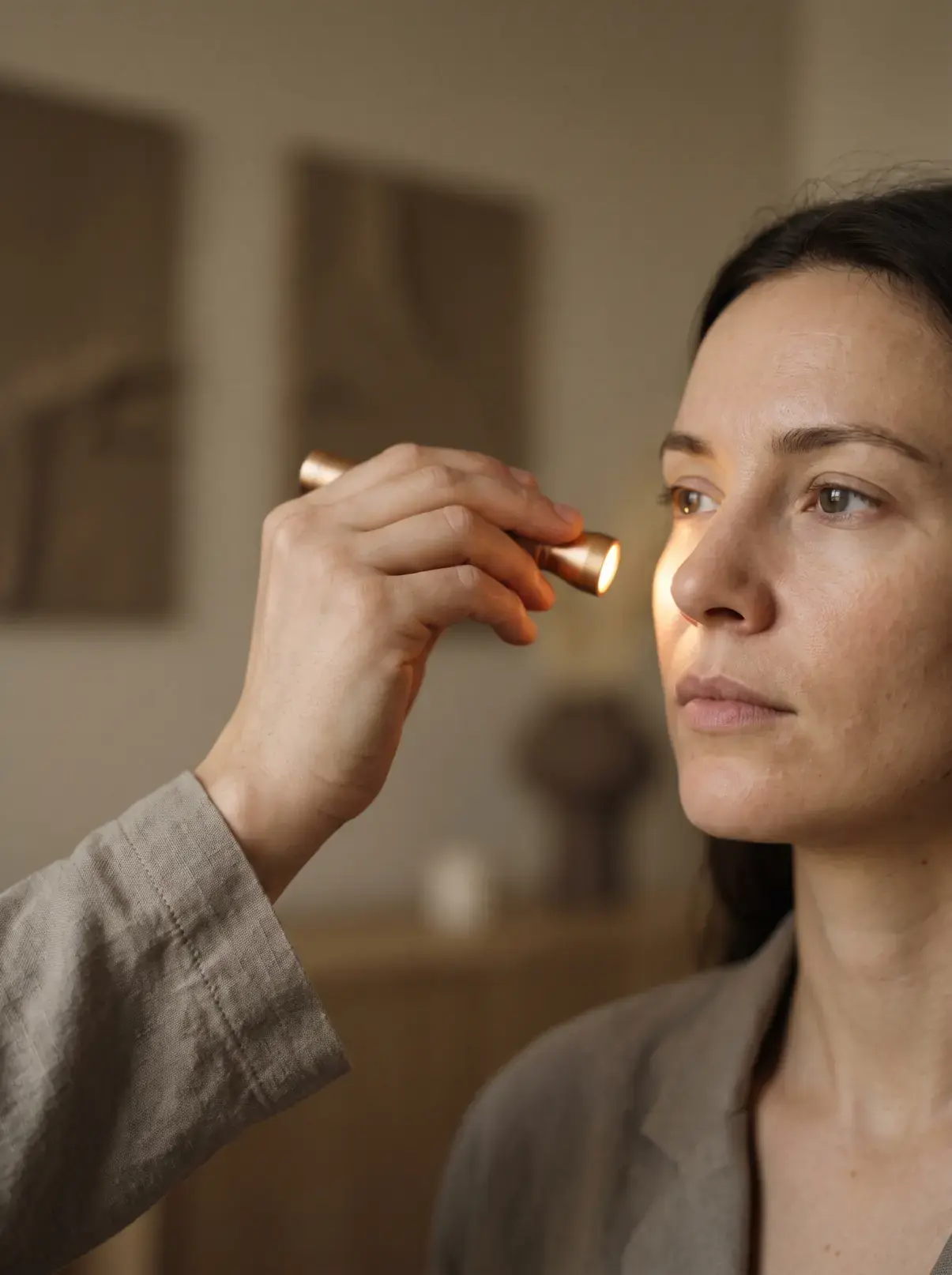
Scarring is what acne leaves behind — and it is treated as its own condition, not with more acne treatment. At our Dubai clinic a dermatologist maps which scar types you have, then rebuilds texture with a staged plan matched to your skin.
- First step
- Scar types mapped
- Plan
- Combination, staged
- Downtime
- Varies by treatment
- Horizon
- Judged over months
What Are Acne Scars?
Acne scars are textural changes left where inflamed acne damaged the skin’s collagen as it healed — typically rolling, boxcar or ice-pick depressions, sometimes alongside lingering colour change.
When a deep or inflamed spot heals, the skin sometimes repairs with too little collagen — leaving a depression — or, less often, too much, leaving a raised scar. Most faces carry a mix: broad, soft rolling scars; sharper-edged boxcar scars; and narrow, deep ice-pick scars.
The mix matters because each type responds to different tools — which is why single-treatment promises tend to disappoint, and why proper scar revision is planned as a combination over months. Flat marks that are dark or red rather than indented are post-inflammatory colour change, not true scarring — they are treated differently, and usually more easily.
Types of Acne Scars: Which Do You Have?
Most faces carry more than one type, and each responds to different tools — which is why a plan built around a single treatment rarely delivers. Find yours below, then see what it is usually treated with. Your dermatologist maps the mix properly at consultation.
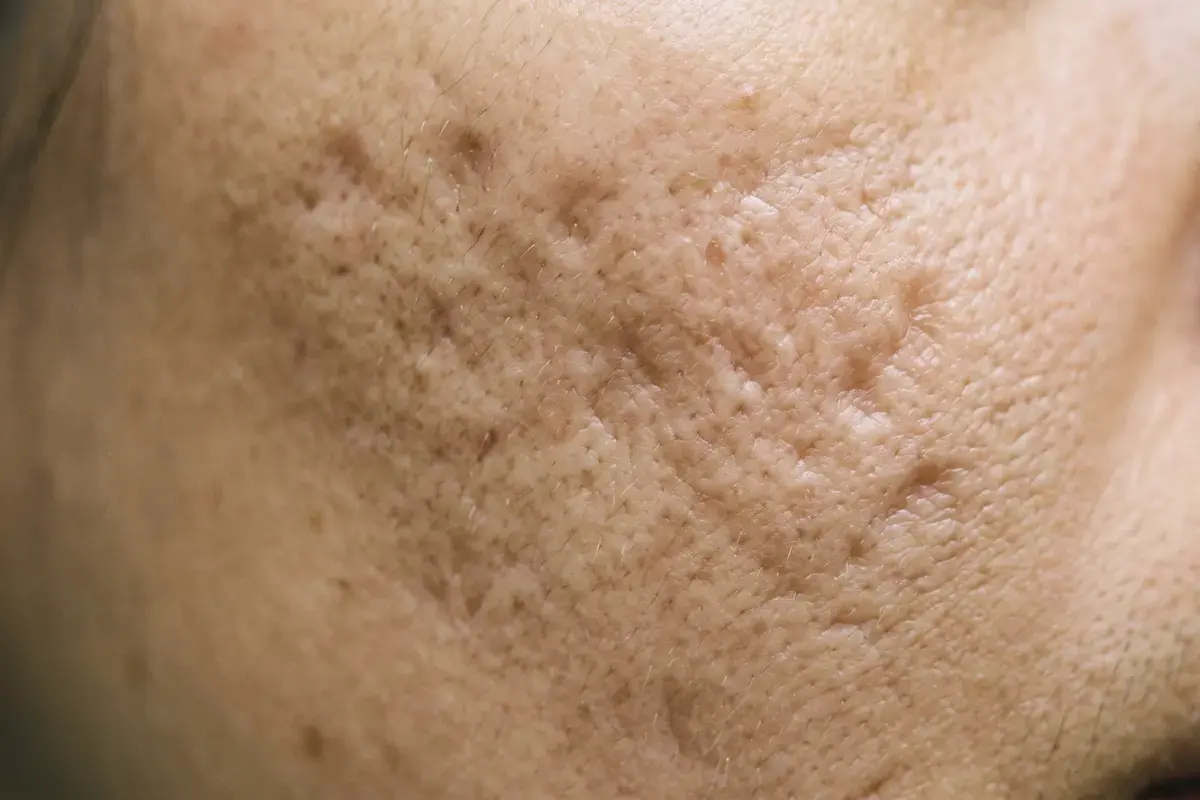
Rolling scars
Broad, soft-edged, shallow dips that give the skin a gently uneven, undulating look. Their edges are indistinct, and they are most obvious in angled light — often invisible under flat bathroom lighting.Usually treated with
Morpheus8 (RF microneedling)Rolling scars sit on tethered, collagen-poor architecture underneath, so they are approached with collagen remodelling at depth rather than surface work.
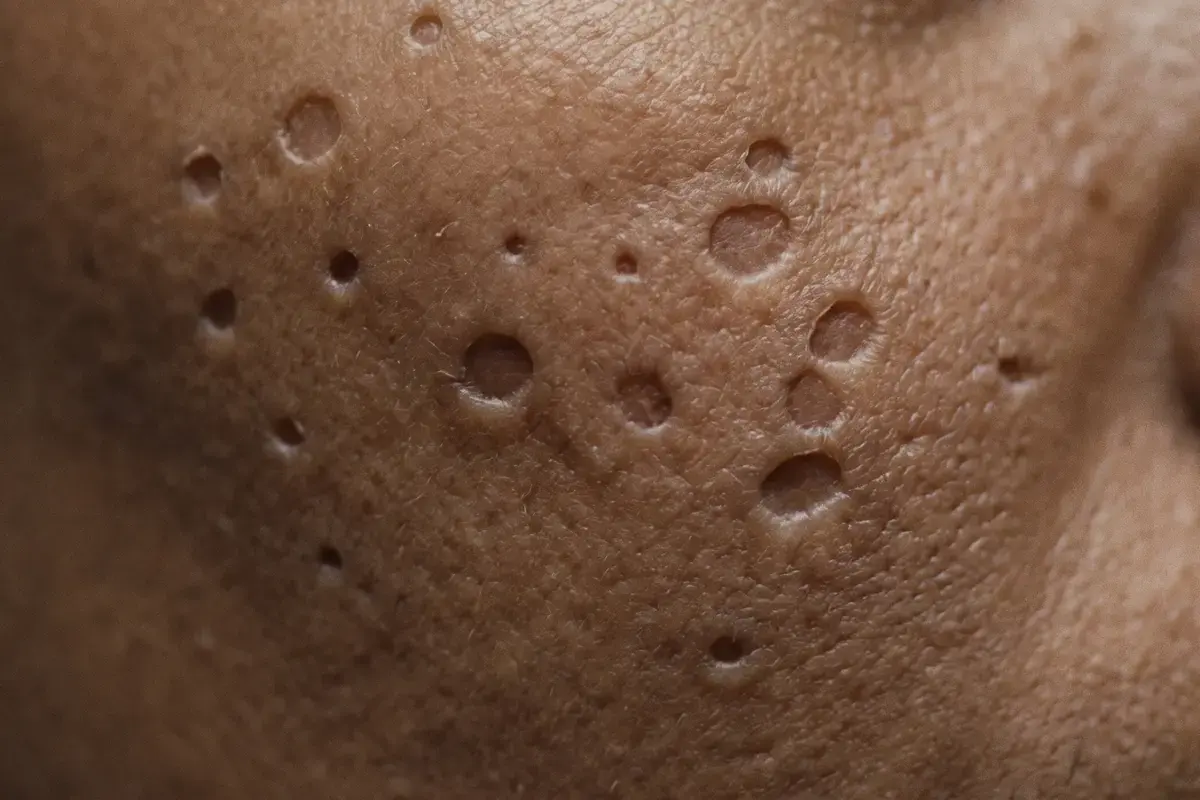
Boxcar scars
Wider round or oval depressions with defined edges and a flat base — sharper-walled than rolling scars, so they hold a shadow and make-up tends to settle into them.Usually treated with
Chemical peels + remodellingBoxcar scars have both a depth and an edge problem, so they are usually worked as a combination — resurfacing to soften the rim, remodelling underneath.
Ice-pick scars
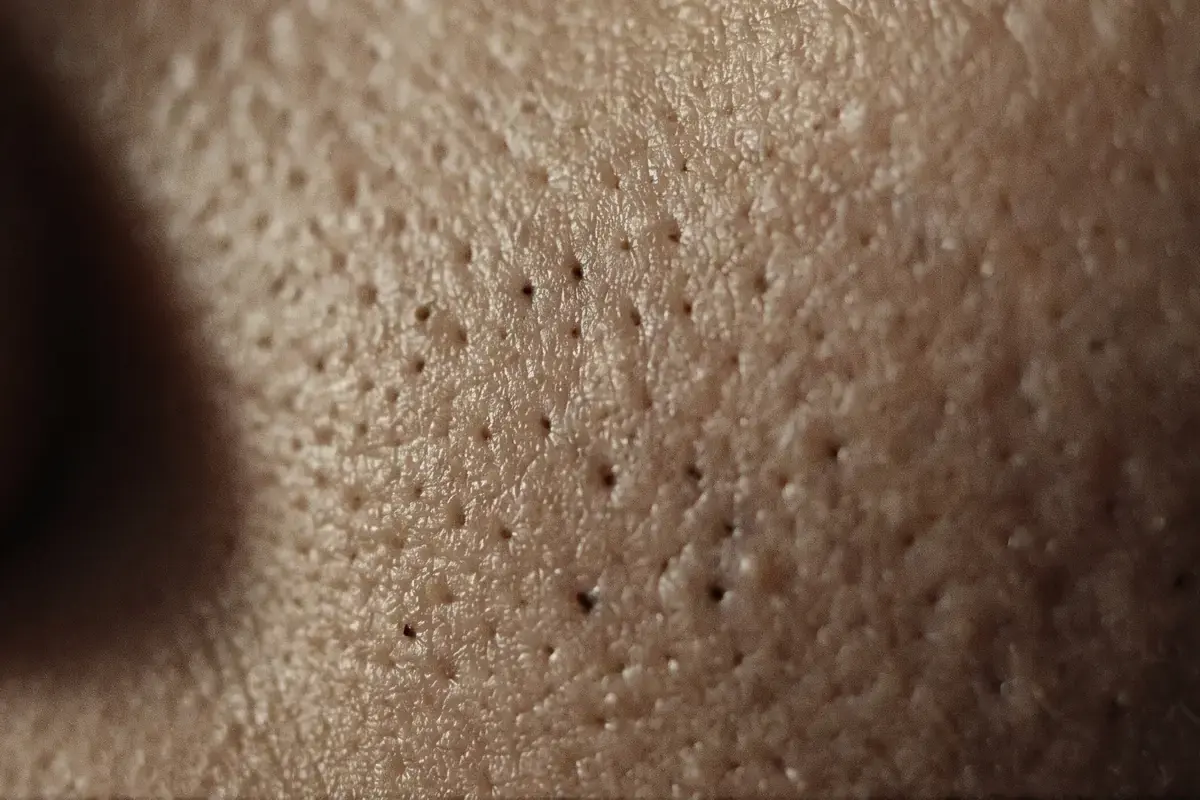
Narrow, deep, small-diameter pits that look like fine punctures. They are the smallest of the three at the surface and the deepest below it, which is what makes them the most stubborn.How it is approached
Too narrow and too deep for whole-face treatment to reach, so these are usually addressed scar by scar with focal techniques, decided at consultation rather than picked from a menu.
Flat dark or red marks
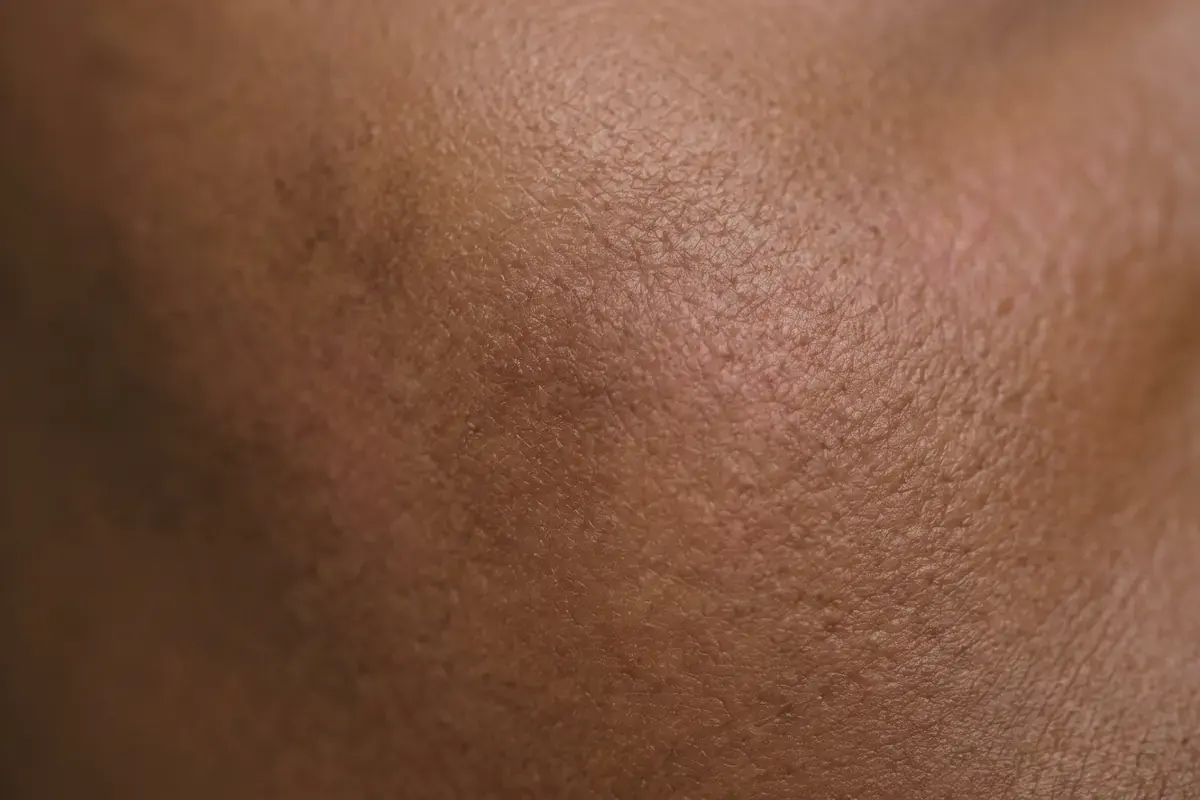
Not scarring at all — the texture is unchanged and the skin is completely flat. Only the colour differs. If it vanishes in flat, even lighting and you cannot feel it, this is what you have.Usually treated with
Post-inflammatory pigmentationThese are treated as pigment rather than texture, on a different plan — and they often settle substantially on their own with time and sun protection.
What Causes Acne Scarring?
Scarring is a healing outcome, not a treatment failure on your part. It follows inflammation that reaches deep enough to damage the collagen scaffold beneath a spot, so the risk rises with the depth and duration of the lesion — nodular and cystic acne scar far more often than surface congestion does.
Three things reliably increase the risk: acne left untreated for a long period, picking or squeezing, and a genetic tendency to scar. The first two are the reason we treat active acne as urgent rather than cosmetic — early control is the most reliable scar prevention available.
Skin tone shapes what scarring looks like rather than whether it happens. In deeper tones, textural scarring is more often accompanied by post-inflammatory pigmentation, and that combination changes the order in which things are treated. Skin quality also tracks broader health, sleep and stress, a connection explored in skin as the biomarker you can see.
Who Gets Acne Scarring?
Scarring follows inflamed, deep or picked acne most closely — and it can affect any skin tone, though deeper tones more often pair texture change with pigmentation, which shapes the treatment order. Active breakouts and scarring frequently coexist.
Most people carry more than one scar type, which is why a plan built around a single device rarely delivers. The map comes first: which types, where, how deep, and how much colour change sits alongside them.
One sequencing rule matters: active acne is settled before scar revision begins, because remodelling skin that is still breaking out undoes its own work.
Acne Scars vs Post-Acne Marks: What’s the Difference?
This is the single most common misunderstanding we see, and it changes the plan completely. Many people arrive asking for scar treatment when what they have is colour change — which is usually easier to treat, and sometimes resolves on its own.
| True acne scars | Post-acne marks (PIH/PIE) | |
|---|---|---|
| What changed | The skin's texture — collagen was lost or overproduced during healing. | Only the colour — pigment or lingering redness where the spot was. |
| How to tell | You can feel it. It casts a shadow in side lighting and make-up settles into it. | Completely flat. It disappears in flat, even lighting. |
| Will it fade alone? | No. Established scars are permanent without treatment. | Often — commonly over three to twelve months with sun protection. |
| How it is treated | Collagen remodelling and resurfacing, staged over months. | Pigment-directed treatment, or simply time and photoprotection. |
| Realistic outcome | Softened and remodelled — improved, not erased. | Usually clears substantially. |
How Are Acne Scars Treated in Dubai?
Scar revision starts with an honest map: which types, how deep, how much accompanying pigment, and how reactive your skin is. From that, your dermatologist sequences a combination plan — remodelling treatments for the deeper architecture, resurfacing for the surface, and pigment work where colour change sits alongside.
Broadly, rolling scars tend to respond most reliably to collagen remodelling such as radiofrequency microneedling; boxcar scars to a combination of remodelling and resurfacing; and ice-pick scars are the most stubborn of the three, often needing focal techniques rather than whole-face treatment. Most plans therefore combine approaches rather than repeating one.
Texture rebuilds on collagen’s timetable: improvement arrives over months of staged sessions, and we set that expectation plainly at the start. Results vary with scar type, depth and skin type — we do not quote percentage improvements, because they cannot be promised honestly.
Skin · RF Microneedling
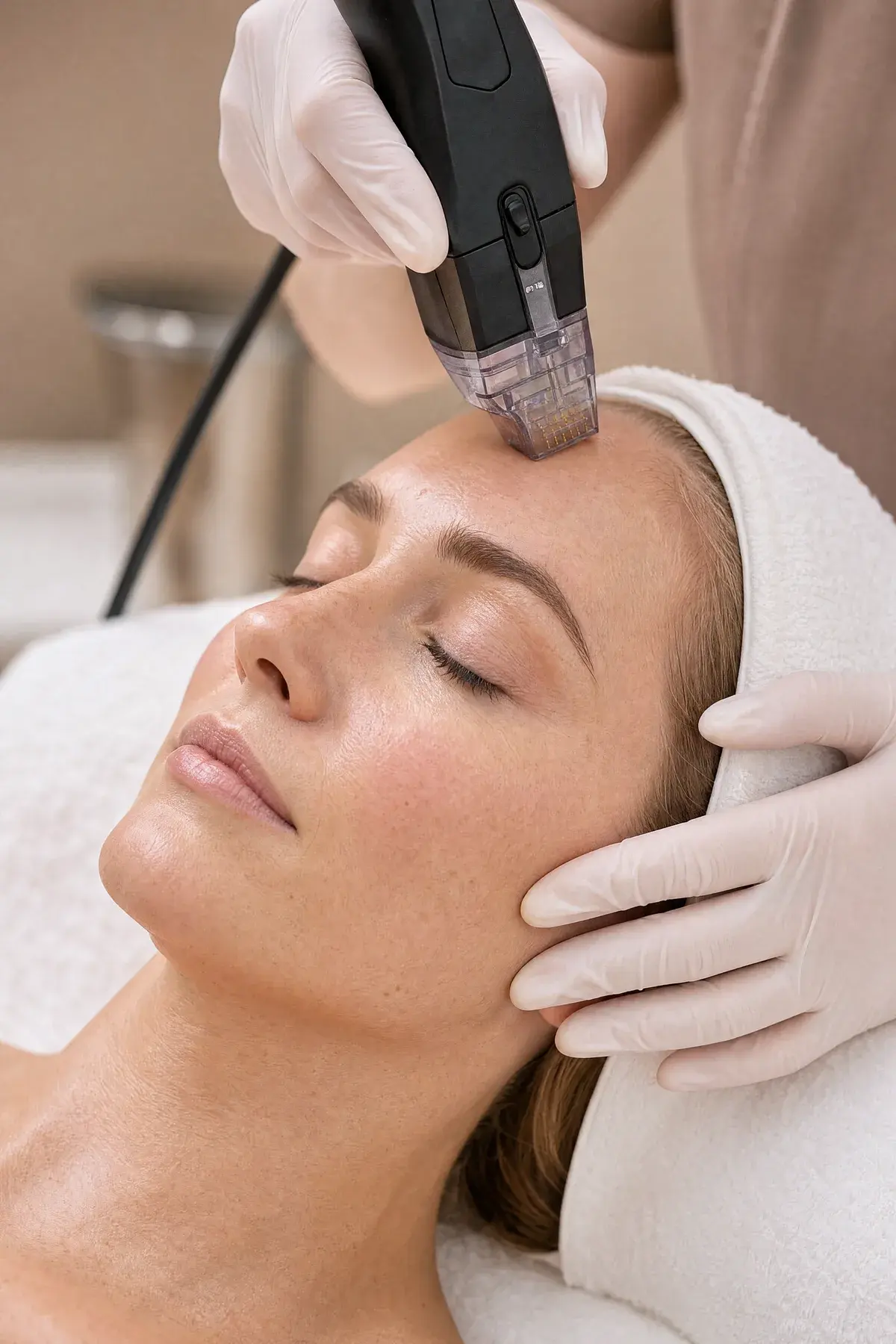
Morpheus8
RF microneedling to remodel deeper scar architecture and texture.
Skin
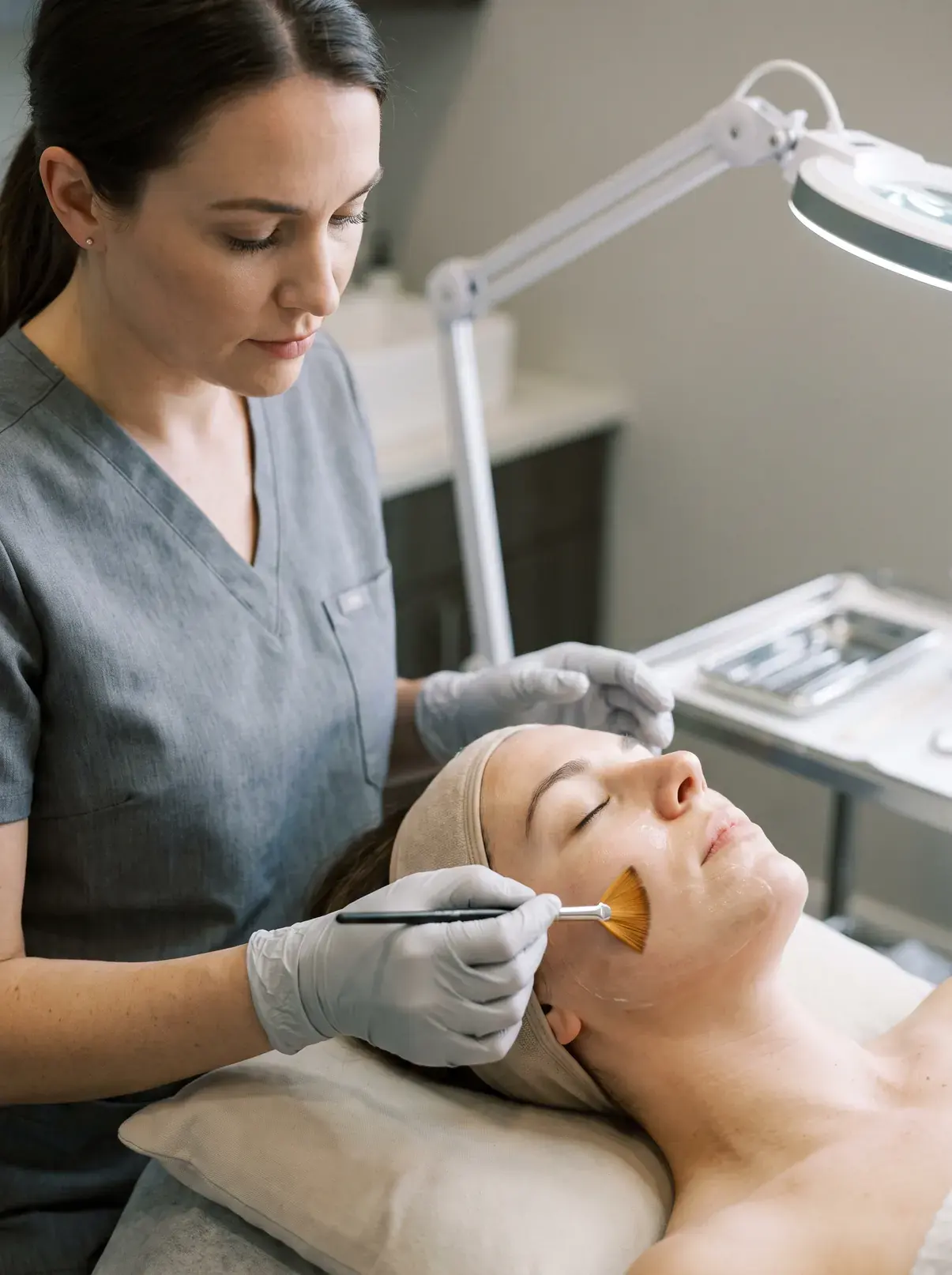
Chemical Peels
Resurfacing for surface texture and post-inflammatory colour change.
Regenerative
PRP Therapy
Your own platelet-rich plasma to support repair alongside remodelling.
Skin · Regenerative
Polynucleotides
Regenerative support for skin quality through a revision course.
How Long Does Acne Scar Treatment Take to Work?
Scar revision works on collagen’s timetable, which is measured in months. Most revision plans run as a course of sessions spaced roughly four to six weeks apart, with visible textural change building from around the second or third session and remodelling continuing for up to six months after the final one. Nothing removes acne scars quickly — any treatment promising that is worth scepticism. Results vary with scar type, depth and skin type.
- Before starting
- Active acne is brought under control first. Standardised photos are taken — scar progress is genuinely hard to judge from memory.
- Sessions 1–2
- Little visible change yet; this is the remodelling being laid down. Short-lived redness or swelling after each session is normal.
- Sessions 3+
- Texture typically starts to read differently in side lighting — the practical marker most people notice first.
- 3–6 months after
- Collagen remodelling continues well past the final session, so the plan is judged here rather than on the day treatment ends.
What to Expect from Acne Scar Treatment
- 01
Consultation & scar mapping
Your dermatologist maps the scar types, depth and any accompanying pigmentation — and confirms active acne is controlled before revision begins.
- 02
Sequence the plan
Remodelling, resurfacing and supportive treatments are ordered for your skin type — deeper work first, surface refinement after.
- 03
Staged sessions
Sessions are spaced weeks apart so collagen can rebuild between them; progress is tracked against standardised photos.
- 04
Judge at months
Collagen remodelling continues well after the final session — results are assessed over months, and the plan adjusts to how your skin responds.
Meet Your Dermatologist
On acne scarring
I am careful with promises about scars. What I can say honestly is that well-mapped, well-sequenced revision changes how skin catches the light — and that the patients happiest with their results are the ones who understood from day one that we were working in months, not weeks.
 Dr. Aishani ShahSpecialist Dermatologist · DHA-licensed
Why Choose Shookra for Acne Scar Treatment
 01
01Physician-led
Every protocol is planned and supervised by a DHA-licensed doctor.
 02
02Measured, then treated
We read your skin before we treat it, so the plan fits you — not a template.
 03
03Managed over time
Your care is tracked and adjusted as part of one practice, not one-off visits.
 04
04Medical-grade
Clinical protocols and equipment, in a discreet Dubai clinic.
Acne Scar Treatment Questions
01Can acne scars be removed completely?
02What removes acne scars quickly?
03How do you choose the right treatment for acne scars?
04How do I know if I have scars or just marks?
05Should I treat scars while I still have breakouts?
06Is acne scar laser treatment safe for darker skin?
07How many sessions will I need?
08Is there downtime after acne scar treatment?
09Do acne scars get worse with age?
010What does acne scar treatment cost at Shookra?
Journal
Related reading
Skin & Dermatology8 min read
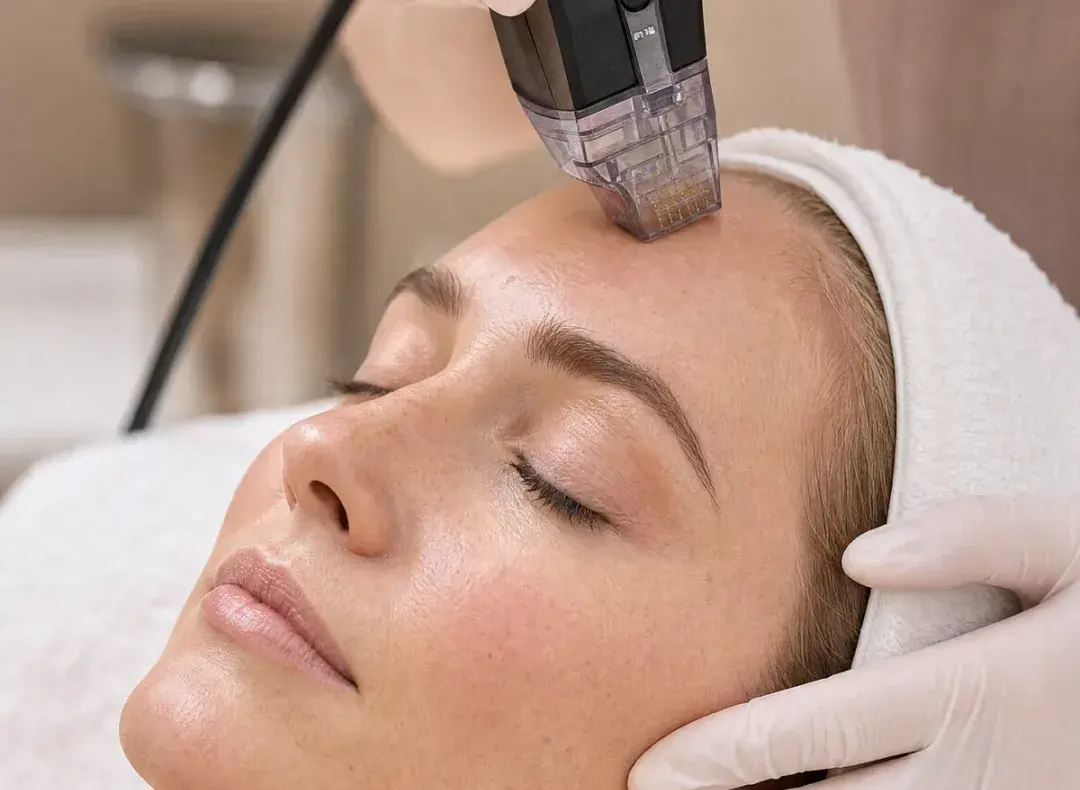
Morpheus8 in Dubai: RF Microneedling for Skin Tightening, Explained
Morpheus8 in Dubai explained: how RF microneedling tightens skin, what it treats, sessions, downtime, how long results last, cost factors and safety for darker skin.
Read article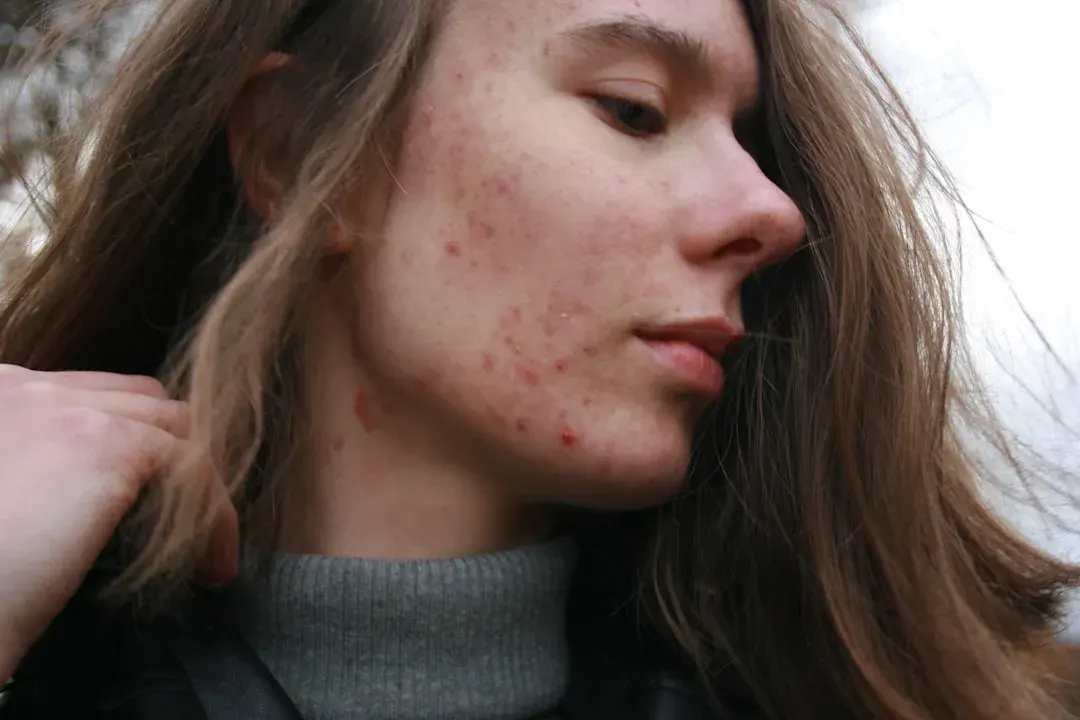
Skin & Dermatology7 min read
Adult Acne: Why Breakouts Can Get Worse in Dubai and What Helps
Why adults get acne, why Dubai's heat, humidity and sun can make breakouts worse, and when it is time to see a dermatologist. A doctor-led, evidence-based guide.
Read article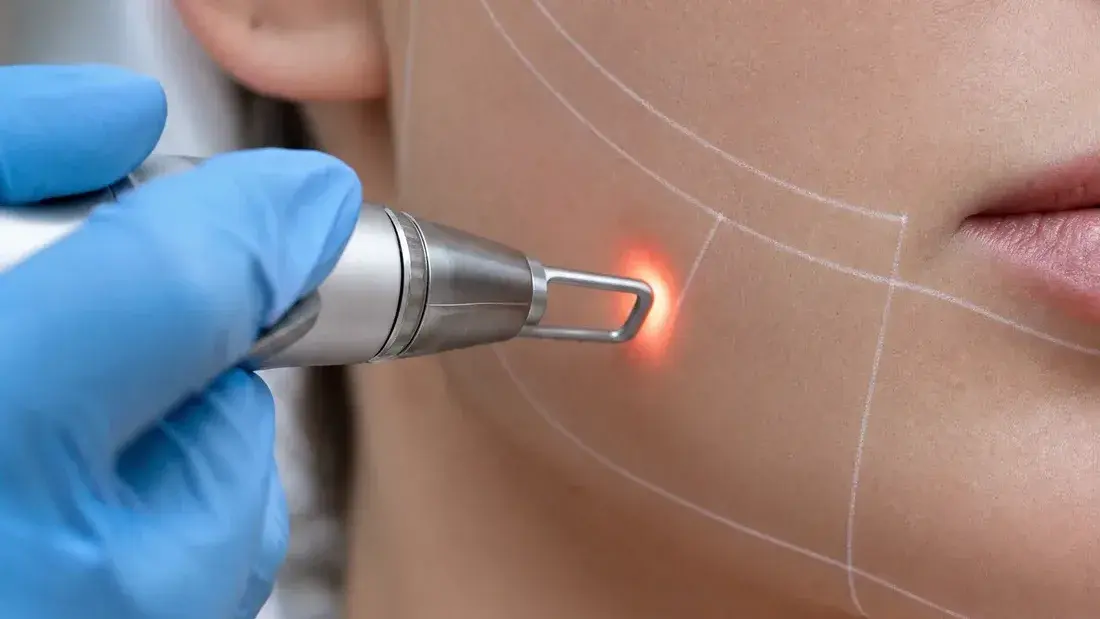
Skin & Dermatology8 min read
Pico Laser in Dubai: How It Works for Pigmentation, Scars and Skin Renewal
Pico laser in Dubai explained: how picosecond technology treats pigmentation, acne scars and tattoos, safety for darker skin tones, sessions, downtime and results.
Read article
Where we treat acne scarring
Acne Scarring treatment in Dubai
Dubai · Business Bay
ShookraRetail 3, 15, Northside, Business Bay, Dubai, UAE+971 50 320 4553Open Mon–Sun · 10:00–22:00
View on Google MapsDubai · Palm Jumeirah
ShookraAndaz Dubai The Palm, 3rd Floor, Palm Jumeirah Rd, Palm Jumeirah, Dubai, UAE+971 50 320 4553Open Mon–Sun · 10:00–22:00
View on Google MapsLicensed & Regulated
DHA-licensed. MOHAP-approved.
Every treatment is delivered at Shookra, a DHA-licensed medical facility in Dubai. Every physician and clinician on our team is DHA-licensed and works to clinical protocol. Our health communications are independently reviewed and approved by the UAE Ministry of Health & Prevention (MOHAP).
Shookra Polyclinic · DHA Facility Permit #3449309 · MOHAP Advertisement Licence T0UOE5NK-020526

Book a consultation
Start with a diagnosis, not a guess.
Speak with our team on WhatsApp — we’ll arrange a dermatologist consultation and talk through your plan and pricing.