Skin condition · Dubai
Acne Treatment in Dubai
Persistent breakouts are a medical condition, not a skincare failure. At our Dubai clinic a dermatologist works out what is actually driving your acne — hormonal, bacterial, barrier-related or a mix — and treats the cause, so results outlast any single facial.
- First step
- Graded & diagnosed
- Plan
- Cause-led, staged
- Downtime
- Little to none
- Horizon
- Weeks, then maintain
What Is Acne?
Acne is an inflammatory condition of the skin’s oil glands and hair follicles, showing as blackheads, whiteheads, inflamed spots or deeper nodules — driven by oil production, blocked pores, bacteria and inflammation, often with a hormonal component.
Every breakout is the same chain of events — excess oil, a blocked follicle, bacterial overgrowth, inflammation — but what sets that chain off differs from person to person. Hormonal patterns, genetics, stress, occlusive products and climate all play in, which is why the same routine clears one person’s skin and does nothing for another’s.
Treating acne well matters beyond the breakout itself: inflamed spots that are picked, squeezed or left untreated are the ones most likely to leave marks and scars, and early control is the most reliable scar prevention there is. Where scarring has already formed it is treated as its own condition — see acne scarring.
What Causes Acne?
Acne is usually driven by more than one factor at once. The common drivers are hormonal fluctuation, which raises oil production and often shows as deeper spots along the jaw and chin; genetics; a damaged skin barrier, frequently from harsh or over-active routines; occlusive make-up and skincare; certain medications; and friction or occlusion from helmets, masks, phones and sports equipment.
Dubai’s climate adds its own pressure. Heat, humidity and sweat increase congestion, and the heavy sunscreens that the sun here demands can occlude pores in skin that is already breakout-prone. That is a solvable problem — it usually means changing the formulation rather than abandoning protection.
Diet and stress are frequently blamed and rarely the whole story. They can influence acne, but in most people they are contributors rather than the driver, and treating them alone tends to disappoint. Skin congestion and oil production also differ meaningfully between men and women, which is worth knowing when choosing a routine — we cover that in HydraFacial for men.
Acne Symptoms: How It Shows Up
Acne is most common through the teens and twenties, but adult acne — especially hormonal patterns along the jaw and chin in women — is increasingly what we see in clinic. Heat, humidity, sweat and heavy sun protection layers can all aggravate it in Dubai’s climate. It is not limited to the face: back and chest acne are common and treated on the same principles.
If breakouts are persistent, painful, scarring, or simply not responding to what you have tried, that is the point where a medical assessment earns its keep. Deep, painful nodules that sit under the skin warrant an assessment sooner rather than later — that pattern is the most likely to scar.
- Breakouts that keep returning
- Oily or congested skin
- Deeper, painful spots along the jaw
- Marks or scars that linger after spots heal
Hormonal Acne vs Congestive Acne: Which Pattern Is Yours?
Most acne falls broadly into one of two patterns, and they are treated differently. Recognising which one you have is a large part of why some routines work for one person and fail completely for another — though plenty of people have a mix of both.
| Hormonal pattern | Congestive pattern | |
|---|---|---|
| Where it appears | Jawline, chin and lower cheeks; often the neck. | Forehead, nose and upper cheeks; also back and chest. |
| What it looks like | Deeper, tender spots and nodules that sit under the skin and take weeks to settle. | Blackheads, whiteheads and surface congestion, with smaller inflamed spots. |
| Timing | Cyclical — flares that track hormonal changes. | Fairly constant, worse with heat, sweat, occlusive products or a damaged barrier. |
| What tends to help | Treating the hormonal driver directly, usually with medical therapy alongside in-clinic work. | Clearing congestion and repairing the barrier — deep cleansing, controlled exfoliation, a corrected routine. |
| Scarring risk | Higher — deeper lesions are more likely to mark. | Lower for surface congestion, but picking raises it sharply. |
How Is Acne Treated in Dubai?
We start by identifying your acne’s drivers and grading its severity — that determines whether the answer is in-clinic treatment, medical therapy, or both. The plan clears active breakouts, settles the inflammation behind them, and protects the skin from scarring while it recovers.
Grading matters because it sets the intensity honestly. Mild acne is largely comedonal — blackheads and whiteheads — and often responds to in-clinic clearing and a corrected routine. Moderate acne adds inflamed papules and pustules and usually needs medical therapy alongside. Severe, nodular or cystic acne is a medical problem first, and treating it promptly is what protects the skin from scarring.
Expect staged progress rather than an overnight reset: acne responds over weeks, and the plan is reviewed and adjusted as your skin answers. Where breakouts have left dark marks rather than scars, those are post-inflammatory hyperpigmentation and are treated once the active acne is under control.
Facials
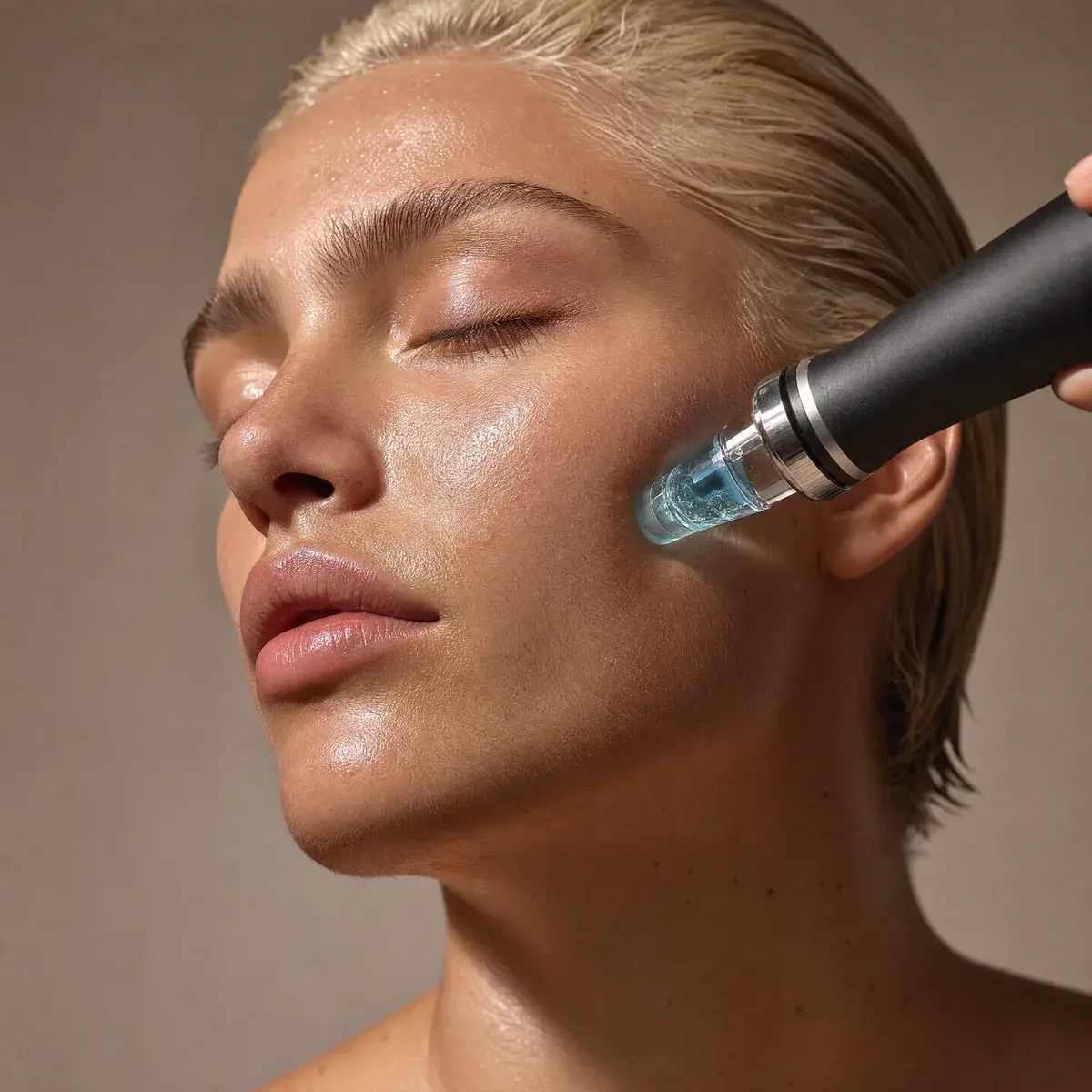
HydraFacial
Deep cleansing and extraction for congested, breakout-prone skin.
Skin
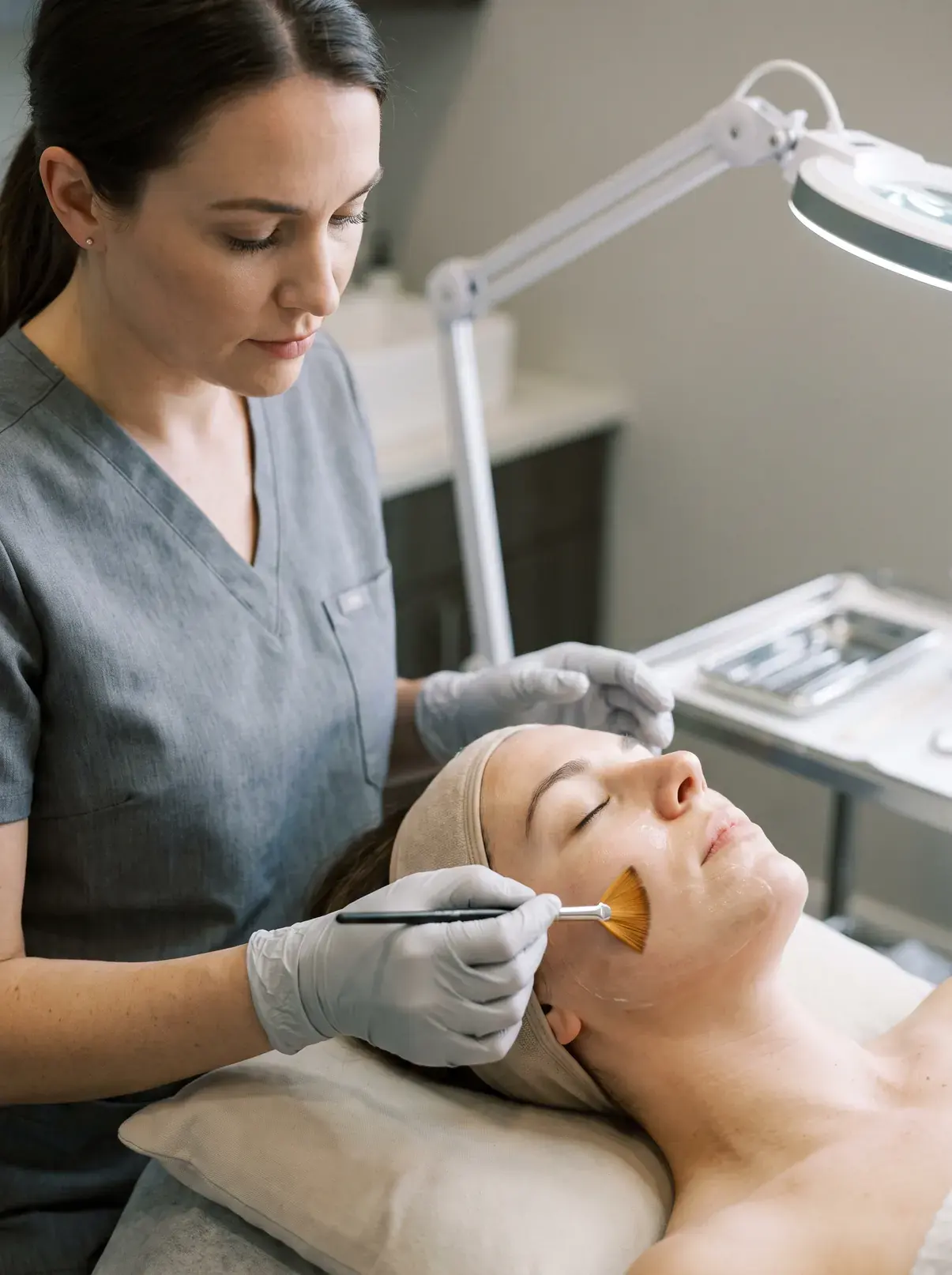
Chemical Peels
Controlled exfoliation to clear congestion and calm active acne.
Skin
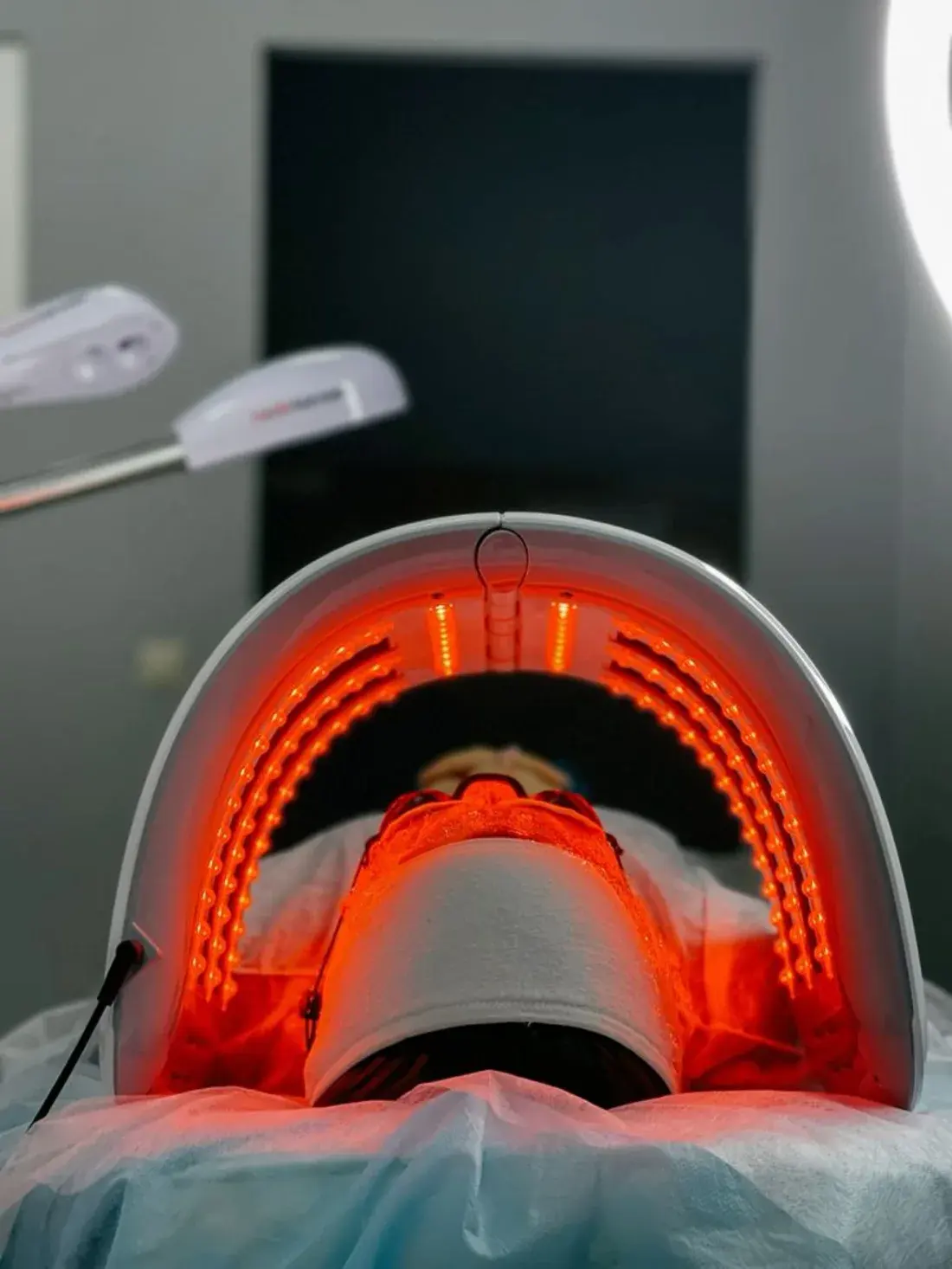
LED Light Therapy
Blue and red light to target bacteria and settle inflammation.

Facials
Enzyme Facials
Gentle enzymatic clearing where skin is both congested and reactive.
How Long Does Acne Treatment Take to Work?
Acne responds over weeks, not days, and any plan that promises faster is overselling. Most people see congestion and surface breakouts improve within four to eight weeks, with inflammatory and hormonal patterns taking longer — commonly three months or more before the picture is clear. Skin sometimes looks slightly worse in the first couple of weeks as congestion clears; that is expected and is reviewed at your next visit.
- Weeks 1–2
- Routine simplified and barrier repair begun. Some purging of existing congestion is normal at this stage.
- Weeks 4–8
- The first honest review point, against photos. Congestion and surface breakouts typically show the clearest change.
- Months 3+
- Inflammatory and hormonal patterns settle over this window, particularly once the underlying driver is being treated directly.
- Maintenance
- Focus shifts to preventing marks and scarring and holding the result with a light, sustainable plan.
What to Expect from Acne Treatment
- 01
Consultation & grading
Your dermatologist examines the skin, takes a history — hormones, products, lifestyle, previous treatment — and grades the acne to set the right treatment intensity.
- 02
Clear & calm
In-clinic treatments and a simplified routine start clearing congestion and settling inflammation, spaced over weeks.
- 03
Address the driver
Where a hormonal or medical driver is identified, it is treated directly — that is what stops the cycle repeating.
- 04
Protect & maintain
As skin clears, the focus shifts to preventing marks and scarring and holding the result with a light maintenance plan.
Meet Your Dermatologist
On acne
The acne I can help most is the acne I see early. By the time skin has been through years of harsh products and picking, we are often treating scars as well as spots. If breakouts are recurring, come in — finding the driver is usually a shorter road than people expect.
 Dr. Aishani ShahSpecialist Dermatologist · DHA-licensed
Why Choose Shookra for Acne Treatment
 01
01Physician-led
Every protocol is planned and supervised by a DHA-licensed doctor.
 02
02Measured, then treated
We read your skin before we treat it, so the plan fits you — not a template.
 03
03Managed over time
Your care is tracked and adjusted as part of one practice, not one-off visits.
 04
04Medical-grade
Clinical protocols and equipment, in a discreet Dubai clinic.
Acne Questions
01What causes adult acne?
02What are the grades of acne?
03Which acne treatment is most likely to work for me?
04Why do my breakouts keep coming back?
05Do I need medication, or are facials enough?
06Can you treat back and chest acne?
07Will treatment stop me getting acne scars?
08How long until my skin looks clearer?
09Is the dark mark left after a spot a scar?
010What does acne treatment cost at Shookra?
Journal
Related reading
Skin & Dermatology7 min read
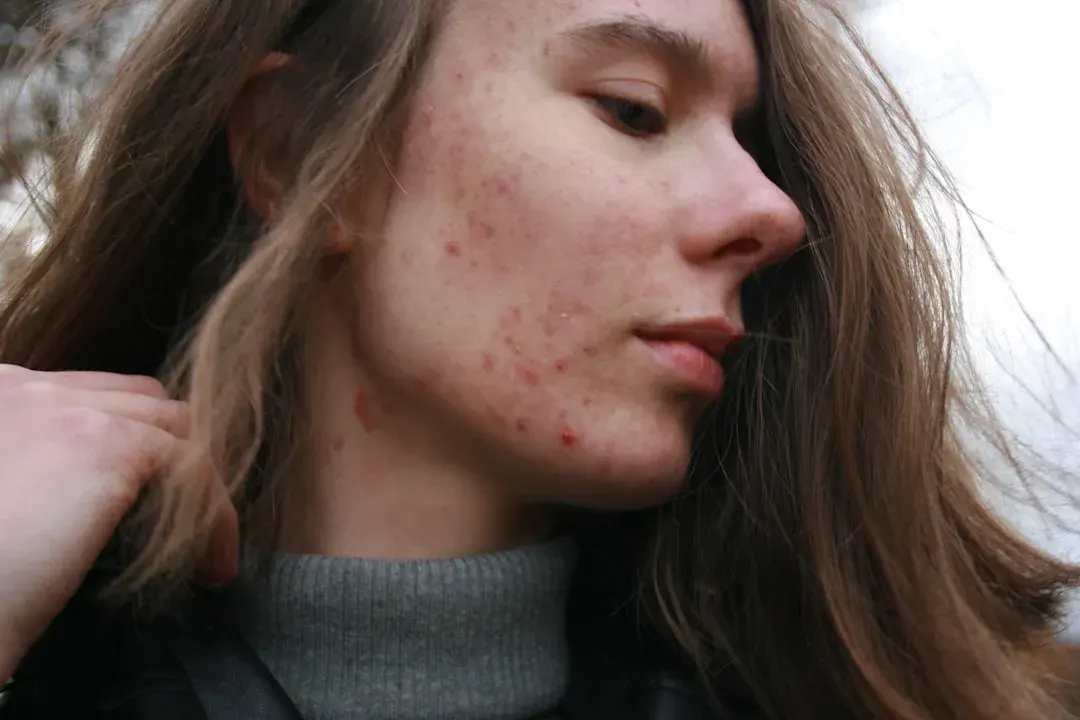
Adult Acne: Why Breakouts Can Get Worse in Dubai and What Helps
Why adults get acne, why Dubai's heat, humidity and sun can make breakouts worse, and when it is time to see a dermatologist. A doctor-led, evidence-based guide.
Read article
Skin & Dermatology7 min read
Why Pigmentation Is So Common in Dubai: Sun, Heat and Your Skin
Why facial pigmentation is so common in Dubai: sun, heat, hormones and skin trauma. What causes dark spots, how they are treated and when to see a dermatologist.
Read article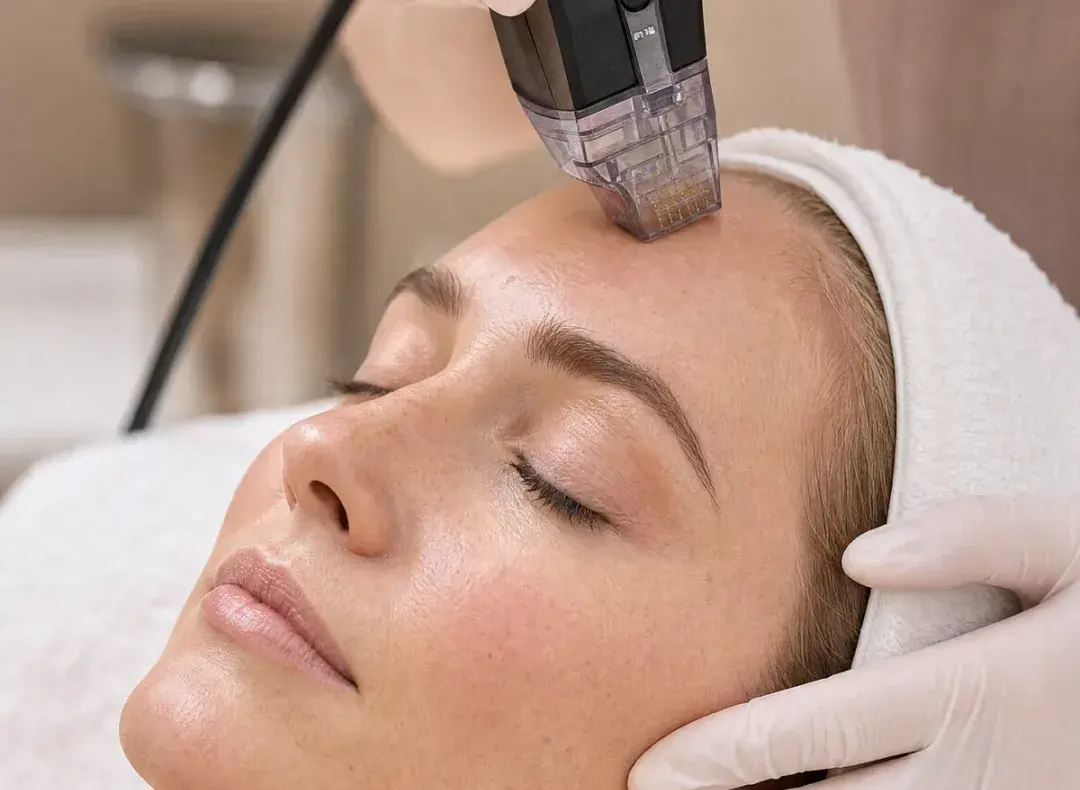
Skin & Dermatology8 min read
Morpheus8 in Dubai: RF Microneedling for Skin Tightening, Explained
Morpheus8 in Dubai explained: how RF microneedling tightens skin, what it treats, sessions, downtime, how long results last, cost factors and safety for darker skin.
Read article
Where we treat acne
Acne treatment in Dubai
Dubai · Business Bay
ShookraRetail 3, 15, Northside, Business Bay, Dubai, UAE+971 50 320 4553Open Mon–Sun · 10:00–22:00
View on Google MapsDubai · Palm Jumeirah
ShookraAndaz Dubai The Palm, 3rd Floor, Palm Jumeirah Rd, Palm Jumeirah, Dubai, UAE+971 50 320 4553Open Mon–Sun · 10:00–22:00
View on Google MapsLicensed & Regulated
DHA-licensed. MOHAP-approved.
Every treatment is delivered at Shookra, a DHA-licensed medical facility in Dubai. Every physician and clinician on our team is DHA-licensed and works to clinical protocol. Our health communications are independently reviewed and approved by the UAE Ministry of Health & Prevention (MOHAP).
Shookra Polyclinic · DHA Facility Permit #3449309 · MOHAP Advertisement Licence T0UOE5NK-020526

Book a consultation
Start with a diagnosis, not a guess.
Speak with our team on WhatsApp — we’ll arrange a dermatologist consultation and talk through your plan and pricing.