Skin condition · Dubai
Hyperpigmentation Treatment in Dubai
Dark spots and uneven tone have more than one cause — sun, old breakouts, hormones, friction, previous procedures — and each responds to different treatment. At our Dubai clinic a dermatologist identifies the type first, then treats the cause rather than the shadow it leaves.
- First step
- Pigment typed & diagnosed
- Plan
- Sequenced by cause
- Downtime
- Usually minimal
- Horizon
- Weeks to months
What Is Hyperpigmentation?
Hyperpigmentation is an excess of melanin in the skin, showing as dark spots, patches or uneven tone. It follows sun exposure, inflammation, hormonal change or injury — and the right treatment depends on which of those is driving it.
Pigment is the skin’s response system: melanin is produced to defend against UV and inflammation. Hyperpigmentation is that system overshooting — sun spots from cumulative exposure, post-inflammatory marks left by acne or injury, and hormonally driven pigment such as melasma each look similar at a glance and behave very differently under treatment.
Depth matters as much as type: superficial pigment tends to respond faster, while deeper, dermal pigment responds gradually and is more easily provoked by heat and inflammation. In a sun-intense climate like Dubai’s, protection is part of treatment, not an afterthought — without it, cleared pigment tends to return.
What Causes Hyperpigmentation?
Facial pigmentation almost always has an identifiable driver, and naming it is what makes treatment work. The common causes are cumulative ultraviolet exposure, inflammation or injury to the skin — acne, eczema, insect bites, picking, harsh scrubs or an over-aggressive cosmetic treatment — hormonal change, certain medications and medical conditions, and a genetic predisposition set by skin type.
Dubai intensifies most of them. Ultraviolet exposure is significant year-round rather than seasonal, so pigment accumulates without a recovery window, and heat and visible light can stimulate pigment production independently of UV. A large share of residents also have skin types that are naturally more pigment-reactive, which raises the stakes on getting the treatment choice right.
Unexplained pigmentation — appearing quickly, spreading, or arriving alongside other symptoms — deserves a medical review rather than a new serum. Some medications and endocrine conditions present exactly this way, and they are found by assessment. Skin tone reflects general health and exposure more closely than most people expect, a theme we explore in skin as the biomarker you can see.
Hyperpigmentation Symptoms: How It Shows Up
Anyone can develop hyperpigmentation, but it is more pronounced and more persistent in medium and deeper skin tones, where the pigment system is more reactive — and where the wrong treatment can leave its own marks. Post-inflammatory pigmentation is especially common after acne, and sun-driven pigment accumulates with years of exposure.
A new or changing dark patch deserves a medical look before a cosmetic one. Book an assessment promptly if a spot is changing in size, shape or colour, has an irregular border, shows more than one colour, itches or bleeds — part of the consultation is simply confirming the diagnosis is benign and correct before anything is treated.
- Dark spots after sun exposure
- Marks that linger after breakouts
- Uneven tone across the face
- Symmetrical patches on both cheeks
Sun Spots vs Post-Inflammatory Marks: Which Do You Have?
These are the two most common forms of facial pigmentation, and they need different plans. Telling them apart is the first thing a dermatologist does — the third common form, melasma, behaves differently again and has its own guide.
| Sun spots | Post-inflammatory marks (PIH) | |
|---|---|---|
| What triggered it | Years of cumulative ultraviolet exposure. | A specific inflammatory event — a breakout, injury, irritation or a procedure. |
| Where it appears | Sun-exposed areas: cheeks, forehead, nose, hands and chest. | Exactly where the original spot or injury was. |
| Appearance | Discrete, well-defined flat brown spots. | Flat marks matching the shape of the original blemish; brown to grey depending on depth. |
| Will it fade alone? | Rarely — it accumulates without treatment. | Often, over three to twelve months, if the cause is controlled and it is sun-protected. |
| Priority | Clear the pigment, then protect to keep it clear. | Treat the underlying cause first — otherwise new marks keep replacing the cleared ones. |
How Is Hyperpigmentation Treated in Dubai?
Because the causes differ, so do the plans. Treating sun damage like post-inflammatory pigment — or treating melasma like either — wastes months and can make things worse. Your dermatologist types the pigment first, then sequences treatment to your skin.
Plans start conservatively and build: protection and topical groundwork, then in-clinic treatments layered in as your skin shows how it responds. Where pigmentation follows acne, treating the active breakouts comes first — clearing marks while new ones are still forming is effort spent against itself.
Skin tone shapes every choice. Deeper tones need adapted peel selections and conservative laser parameters, because the same settings that clear pigment in lighter skin can create it in darker skin. That judgement is what a dermatologist adds over a device menu.
Skin
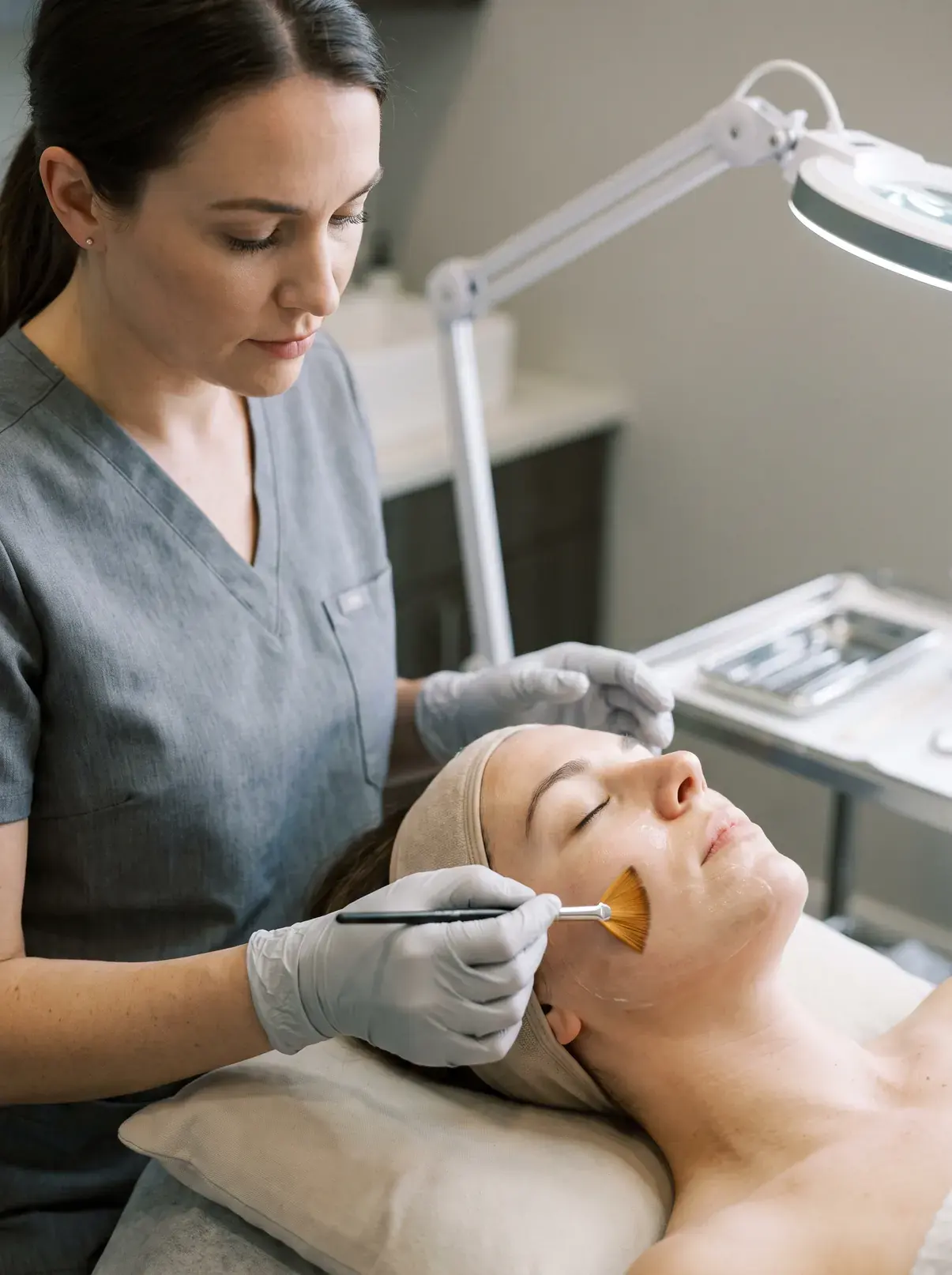
Chemical Peels
Controlled resurfacing to lift superficial pigment and even tone.
Skin · Laser
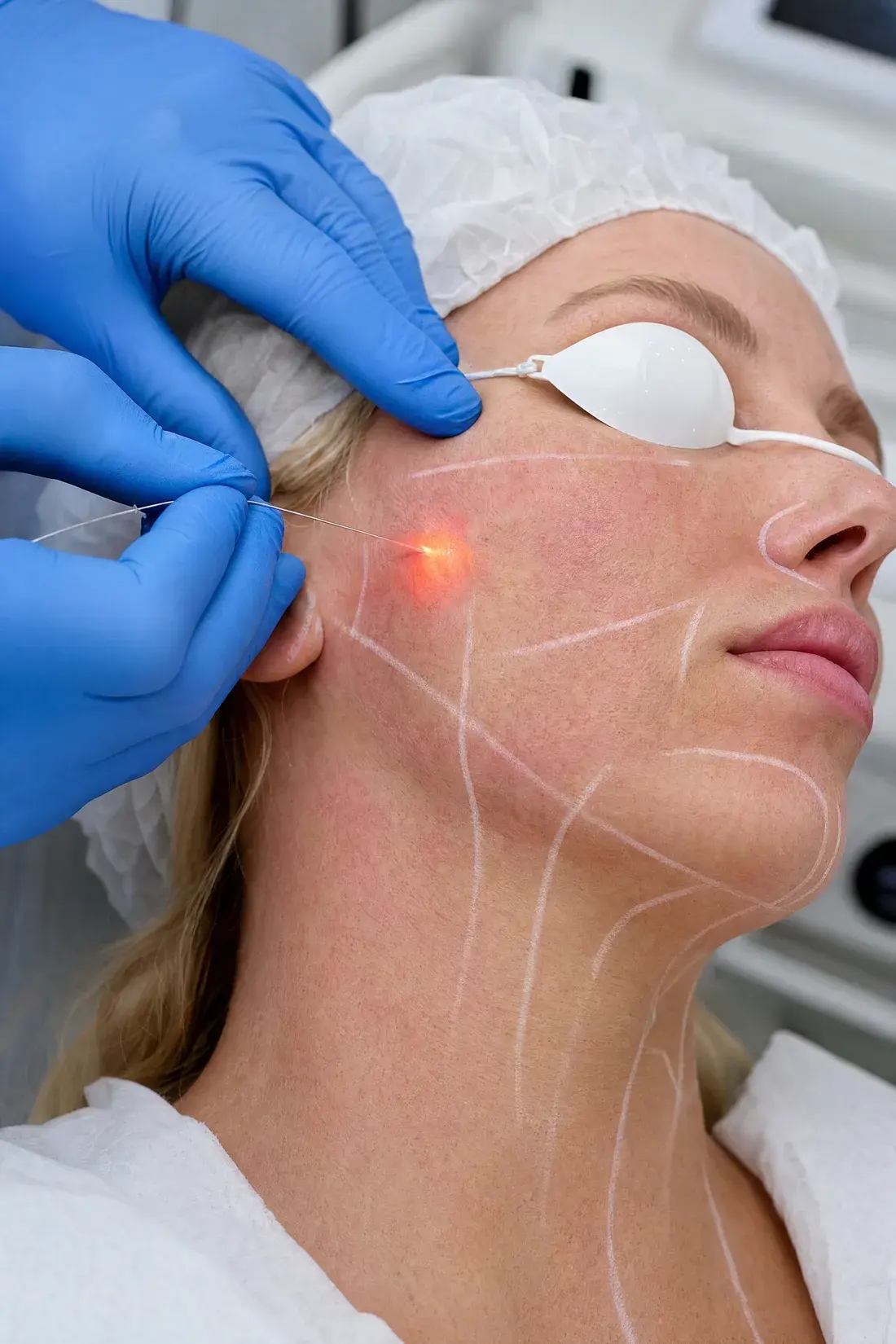
Laser Skin Rejuvenation
Targeted light for stubborn, well-typed pigment — chosen carefully by skin type.
Skin · Laser
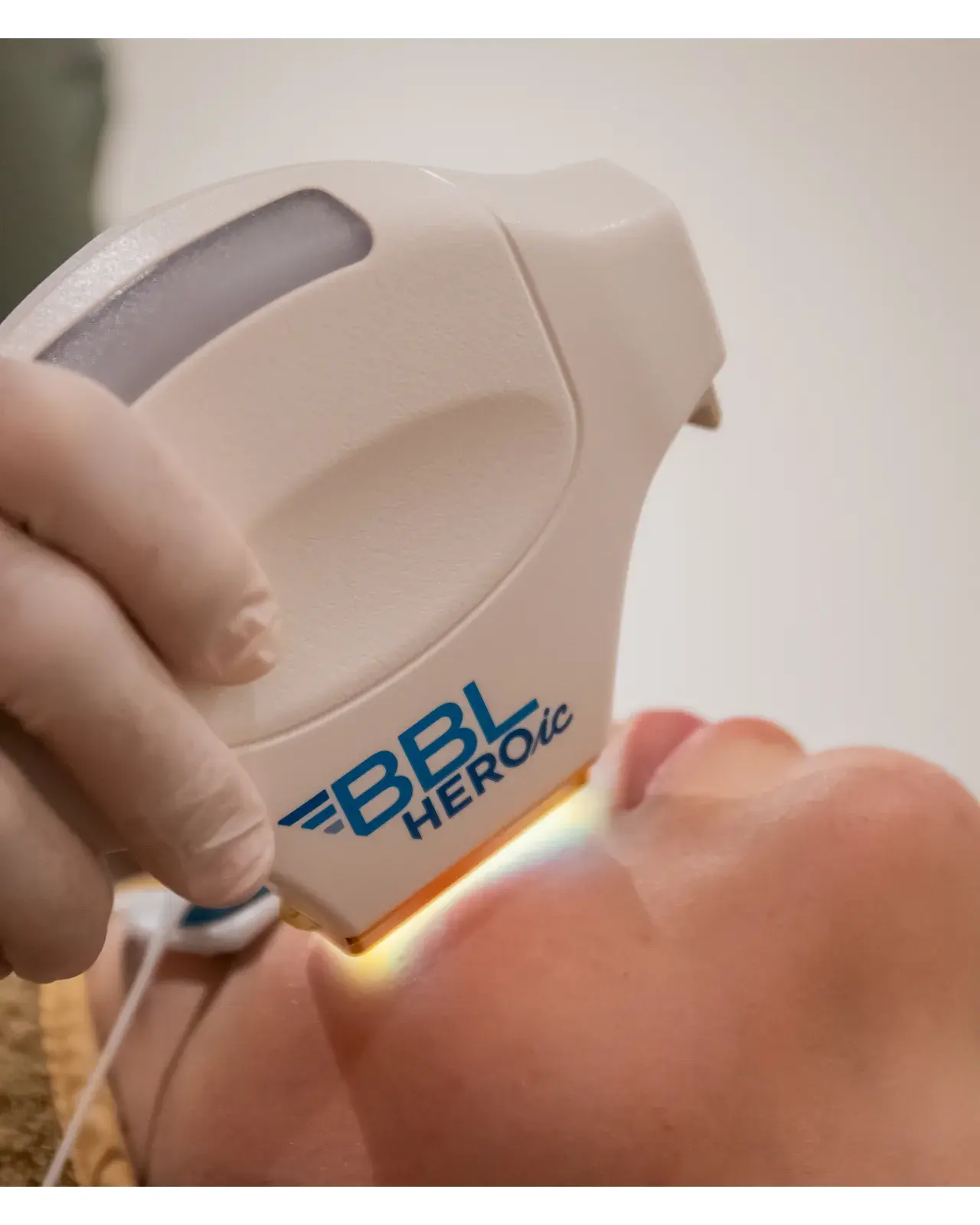
Broadband Light (BBL)
Broadband light for sun-driven spots and generalised unevenness.
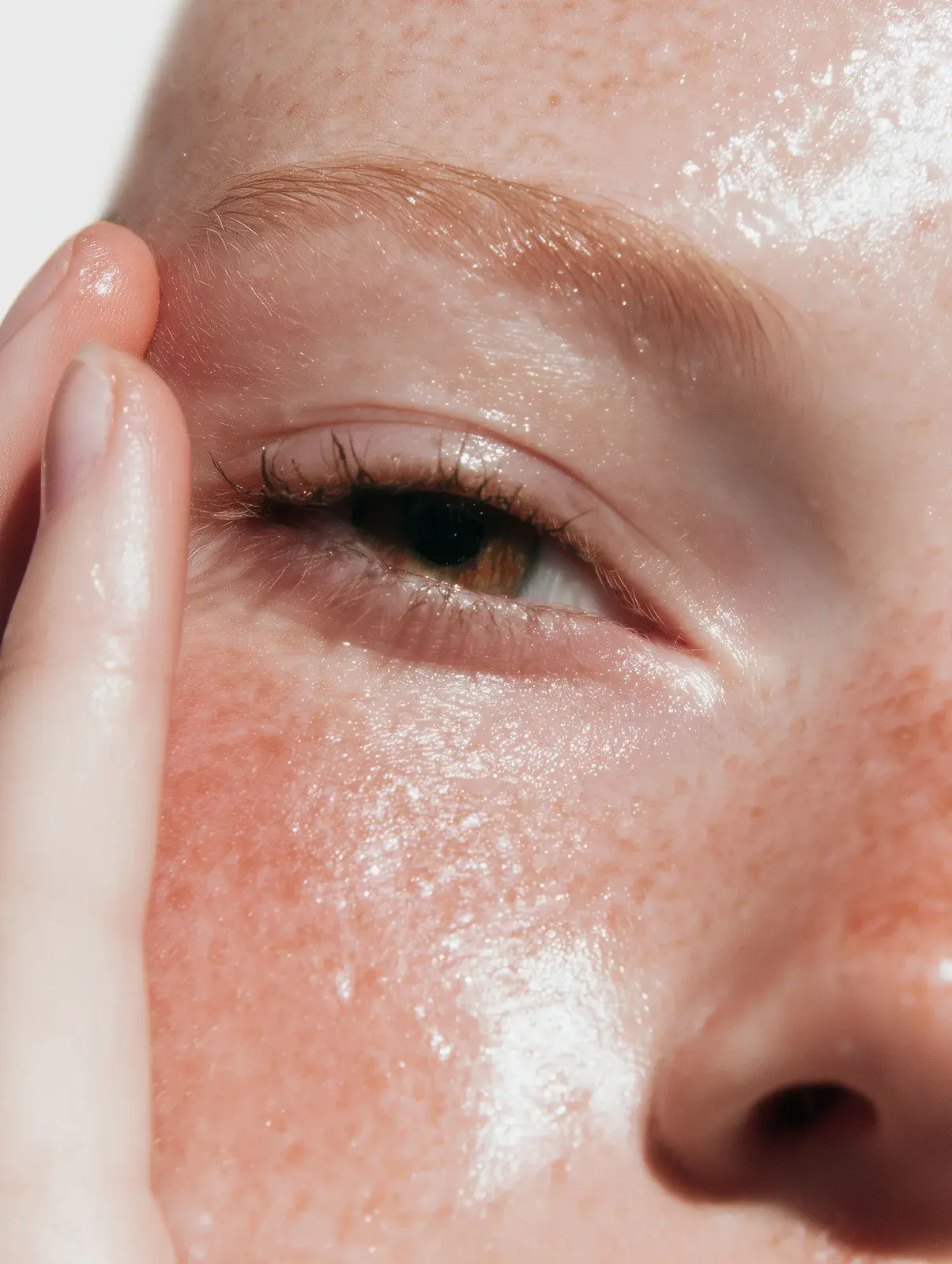
Skin
Mesotherapy
Brightening actives placed precisely where the pigment sits.
How Long Does Hyperpigmentation Treatment Take to Work?
How quickly pigmentation clears depends on which type you have and how deep it sits. Superficial, sun-driven spots often improve meaningfully within one to three in-clinic sessions; post-inflammatory marks commonly settle over three to twelve months once the underlying cause is controlled; deeper dermal pigment responds more gradually still. Results vary between individuals and skin types, and daily photoprotection is what decides whether the improvement lasts.
- Weeks 1–3
- Typing and groundwork: photoprotection and preparatory skincare established so in-clinic treatment lands on stable skin.
- Sessions 1–3
- Superficial sun-driven spots typically show the clearest early change. Treated pigment may darken briefly before it clears — that is expected.
- Months 3–12
- The realistic window for post-inflammatory marks, provided the cause behind them is under control.
- Ongoing
- Protection and maintenance. Cleared pigment does not return by itself, but skin keeps making new pigment if the driver continues.
What to Expect from Hyperpigmentation Treatment
- 01
Consultation & typing
Your dermatologist examines the pigment and its history — sun, breakouts, hormones, medication — and identifies which kind of hyperpigmentation you have.
- 02
Groundwork
Photoprotection and preparatory skincare are set first, so in-clinic treatment lands on stable, protected skin.
- 03
Staged treatment
Peels, light-based treatment or targeted injections are introduced in sequence, spaced over weeks and matched to your skin tone.
- 04
Review & protect
Progress is reviewed against photos, and the plan tapers into protection and maintenance so the result holds.
Meet Your Dermatologist
On hyperpigmentation
The most common mistake I see is treating all dark marks as one problem. Typing the pigment correctly at the first visit changes everything that follows — the treatment chosen, the pace, and how safe the plan is for your skin tone. Diagnosis is the treatment decision.
 Dr. Aishani ShahSpecialist Dermatologist · DHA-licensed
Why Choose Shookra for Hyperpigmentation Treatment
 01
01Physician-led
Every protocol is planned and supervised by a DHA-licensed doctor.
 02
02Measured, then treated
We read your skin before we treat it, so the plan fits you — not a template.
 03
03Managed over time
Your care is tracked and adjusted as part of one practice, not one-off visits.
 04
04Medical-grade
Clinical protocols and equipment, in a discreet Dubai clinic.
Hyperpigmentation Questions
01What causes hyperpigmentation on the face?
02How can I permanently remove hyperpigmentation?
03How do you choose the right treatment for hyperpigmentation?
04Is pigmentation treatment safe for darker skin tones?
05How is this different from melasma?
06Do you offer skin whitening or lightening treatments?
07Will my dark spots come back after treatment?
08How many sessions will I need?
09Can chemical peels treat pigmentation?
010What does hyperpigmentation treatment cost at Shookra?
Journal
Related reading
Skin & Dermatology7 min read
Why Pigmentation Is So Common in Dubai: Sun, Heat and Your Skin
Why facial pigmentation is so common in Dubai: sun, heat, hormones and skin trauma. What causes dark spots, how they are treated and when to see a dermatologist.
Read article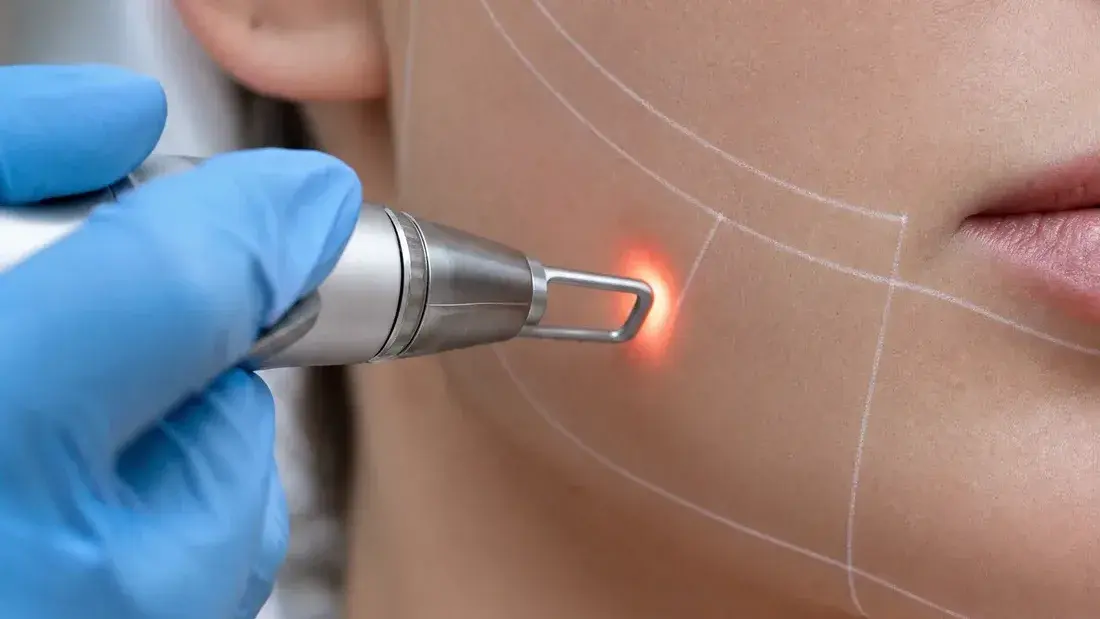
Skin & Dermatology8 min read
Pico Laser in Dubai: How It Works for Pigmentation, Scars and Skin Renewal
Pico laser in Dubai explained: how picosecond technology treats pigmentation, acne scars and tattoos, safety for darker skin tones, sessions, downtime and results.
Read article
Skin & Dermatology4 min read
Skin is the biomarker you can see
The same drivers that shape how you age internally show up first in the skin. Why we treat aesthetic medicine as part of the longevity picture.
Read article
Where we treat hyperpigmentation
Hyperpigmentation treatment in Dubai
Dubai · Business Bay
ShookraRetail 3, 15, Northside, Business Bay, Dubai, UAE+971 50 320 4553Open Mon–Sun · 10:00–22:00
View on Google MapsDubai · Palm Jumeirah
ShookraAndaz Dubai The Palm, 3rd Floor, Palm Jumeirah Rd, Palm Jumeirah, Dubai, UAE+971 50 320 4553Open Mon–Sun · 10:00–22:00
View on Google MapsLicensed & Regulated
DHA-licensed. MOHAP-approved.
Every treatment is delivered at Shookra, a DHA-licensed medical facility in Dubai. Every physician and clinician on our team is DHA-licensed and works to clinical protocol. Our health communications are independently reviewed and approved by the UAE Ministry of Health & Prevention (MOHAP).
Shookra Polyclinic · DHA Facility Permit #3449309 · MOHAP Advertisement Licence T0UOE5NK-020526

Book a consultation
Start with a diagnosis, not a guess.
Speak with our team on WhatsApp — we’ll arrange a dermatologist consultation and talk through your plan and pricing.