Skin & Dermatology10 min read
Your Skin After a Dubai Summer: A Sensible Autumn Reset
Heat, humidity, UV and air-con all take a toll. A sensible autumn reset for skin after a Dubai summer, and when it is worth seeing a dermatologist.

Somewhere around late October, Dubai exhales. The terraces reopen, the running groups move back outdoors and weekends drift towards the desert and the beach. It is also when many people notice what the last five months have done: skin that feels tight one day and congested the next, a few new dark spots, a dullness that moisturiser does not shift.
None of this is unusual. A Gulf summer asks a great deal of the skin, from intense ultraviolet (UV) light and humid heat outdoors to hours of dry, air-conditioned air indoors, with heavy sunscreen and constant sweat in between. The good news is that the cooler months are a sensible time to let skin recover, and most of that recovery happens with a simple, consistent routine rather than anything dramatic.
This guide explains what summer tends to leave behind, how to repair sun-damaged skin step by step, how to look after it through the outdoor season, and when an in-clinic option is worth considering. If uneven tone is your main concern, our page on hyperpigmentation and how a dermatologist assesses it explains why the type of pigment matters before anything is treated.
What does a Dubai summer do to your skin?
A Dubai summer combines very high UV, humid heat, frequent sweating and long hours in dry air-conditioning. Together these can leave skin dehydrated, congested and more reactive, with new pigmentation and a weakened skin barrier. Some changes are temporary and settle with good care; cumulative sun damage builds quietly over years.
Dehydration and a strained barrier
The outer layer of the skin, the barrier, holds water in and keeps irritants out. Moving between humid heat and dry air-conditioning, plus hot showers and frequent cleansing after the gym, can leave it struggling: skin feels tight, looks dull or flaky, and stings with products it used to tolerate. Dehydration is about water, not oil, so oily skin can be dehydrated too.
Congestion and breakouts
Sweat, humidity and layers of water-resistant sunscreen can clog pores and leave skin congested, particularly along the forehead, jawline and back. Heat rash (small itchy bumps from blocked sweat ducts) is common, and some people develop a yeast-related folliculitis, sometimes called "fungal acne", that looks like acne but responds to different treatment.
New pigmentation and uneven tone
UV light stimulates melanin, the skin's pigment. Over a summer that can mean new sun spots, a tan that lingers in patches, or melasma that darkens. Heat and visible light can also play a part, particularly in medium and deeper skin tones. Our guide to why pigmentation is so common in Dubai explores this in more depth.
Photoageing
UV gradually breaks down collagen and elastin, the proteins that keep skin firm, contributing to fine lines, wrinkles, rough texture and loss of elasticity. Unlike dehydration, this builds over years rather than one summer.
How can you tell if your skin is sun damaged?
Common signs of sun-damaged skin include new brown spots or freckles, patchy or uneven skin tone, rough or leathery texture, fine lines that appear earlier on sun-exposed areas, small visible blood vessels and redness. They tend to show first on the face, neck, chest, forearms and the backs of the hands.
Compare the skin on your inner arm, which rarely sees the sun, with your cheeks or the back of your hand: the difference is largely sun exposure. Any spot that is new, changing or bleeding is a different matter, covered in the red flags section below.
How do you repair sun-damaged skin after summer?
To repair sun-damaged skin after summer, start by simplifying your routine and rebuilding the skin barrier, then introduce gentle exfoliation and evidence-based actives such as vitamin C, niacinamide, azelaic acid or a retinoid, one at a time. Daily broad-spectrum sunscreen remains the foundation, because continued exposure undoes progress.
Step 1: Simplify. For the first week or two, pare back to a gentle cleanser, moisturiser and sunscreen. This alone often calms stinging, flaking or breakouts.
Step 2: Rebuild the barrier. Look for moisturisers containing ceramides, glycerin or hyaluronic acid, and apply them to slightly damp skin. Keep showers lukewarm and short; our article on Dubai's hard water and your skin explains why long, hot showers make dryness worse.
Step 3: Exfoliate gently. Once skin feels comfortable, a mild exfoliant one to three times a week can help lift dull surface cells and congestion. Lactic or mandelic acid tends to suit dry or sensitive skin; salicylic acid suits oily, congested skin. More is not better: over-exfoliation is a common cause of autumn sensitivity.
Step 4: Reintroduce actives slowly. Add one new ingredient at a time, two weeks apart, so you can tell what your skin tolerates:
- Vitamin C in the morning, an antioxidant that may help brighten tone and support collagen production.
- Niacinamide, often well tolerated and used for uneven tone, redness and oil.
- Azelaic acid, which may help with dark spots, redness and breakouts, and is often suitable for sensitive skin.
- A retinoid at night, an ingredient group with well-established evidence for improving signs of photoageing. Start with a low strength two or three nights a week and build up. Retinoids can make skin more sun-sensitive and are not suitable during pregnancy.
Step 5: Keep up sun protection. Every step above is undermined if skin keeps meeting unprotected UV.
Do you still need sunscreen in a Dubai winter?
Yes. UV levels in the UAE stay moderate to high around midday even in the cooler months, so daily broad-spectrum sunscreen of SPF 30 or above is still worthwhile. Winter is also when people spend the most time outdoors, which can mean more total exposure than in midsummer.
There is good evidence that daily sunscreen protects skin over time. In a randomised trial in Australia, Hughes and colleagues (2013) found that adults assigned to daily sunscreen use showed measurably less skin ageing over four and a half years than those who used it only when they chose to.
For pigment-prone skin, a tinted sunscreen containing iron oxides adds protection against visible light. Research by Mahmoud and colleagues (2010) found that visible light produced darker and longer-lasting pigmentation in medium and deeper skin types than in fair skin, which is relevant for many people living here. Reapply every two hours when outdoors and after swimming or heavy sweating, and remember the ears, neck and backs of the hands.
How can you look after your skin in the outdoor season?
Plan for outdoor time: sunscreen before you leave, a hat and sunglasses, reapplication on longer sessions, gentle cleansing afterwards and moisturiser at night. Hydration, sleep and a varied diet support skin health, although no supplement replaces sun protection.
- Desert and beach weekends. Sand and water reflect UV rays. A broad-brimmed hat, protective clothing and midday shade make a meaningful difference.
- Golf, tennis and padel. Long rounds mean hours outdoors, so use a sweat-resistant sunscreen and reapply at the halfway point.
- Running and cycling. Early sessions avoid peak UV. Cleanse soon afterwards and change out of damp kit promptly if you are prone to back breakouts.
- Hydration. Winter desert air is dry. Drinking enough water supports overall health, and a humidifier may help if air-conditioning leaves skin tight.
- Sleep and stress. Much of the skin's repair activity happens overnight, and poor sleep and stress are associated with flare-ups of acne, eczema and rosacea.
When is an in-clinic treatment worth considering?
An in-clinic treatment is worth considering when summer has left changes that skincare alone has not shifted after six to eight weeks, such as stubborn dark spots, persistent congestion, dull texture or skin that looks dehydrated despite a good routine. A consultation can identify which concern is driving things before any treatment is chosen.
Autumn and winter are often a sensible window for resurfacing treatments. Less intense daily sun exposure lowers the risk of pigment rebounding while skin heals, although strict sun protection is still essential before and after. One practical point: a fresh tan or recent sunburn usually means waiting before peels or laser, so if you are just back from a beach holiday, expect your clinician to advise a short pause.
At our clinic in Business Bay, the options commonly discussed after summer include:
- HydraFacial cleanses, exfoliates, extracts and hydrates in a single session with no downtime. It suits post-summer congestion and dullness, though it is not designed to correct pigmentation on its own.
- Chemical peels use controlled acids to lift pigmented and dull surface layers over a course of sessions. Light flaking for a few days is expected, more so with deeper peels.
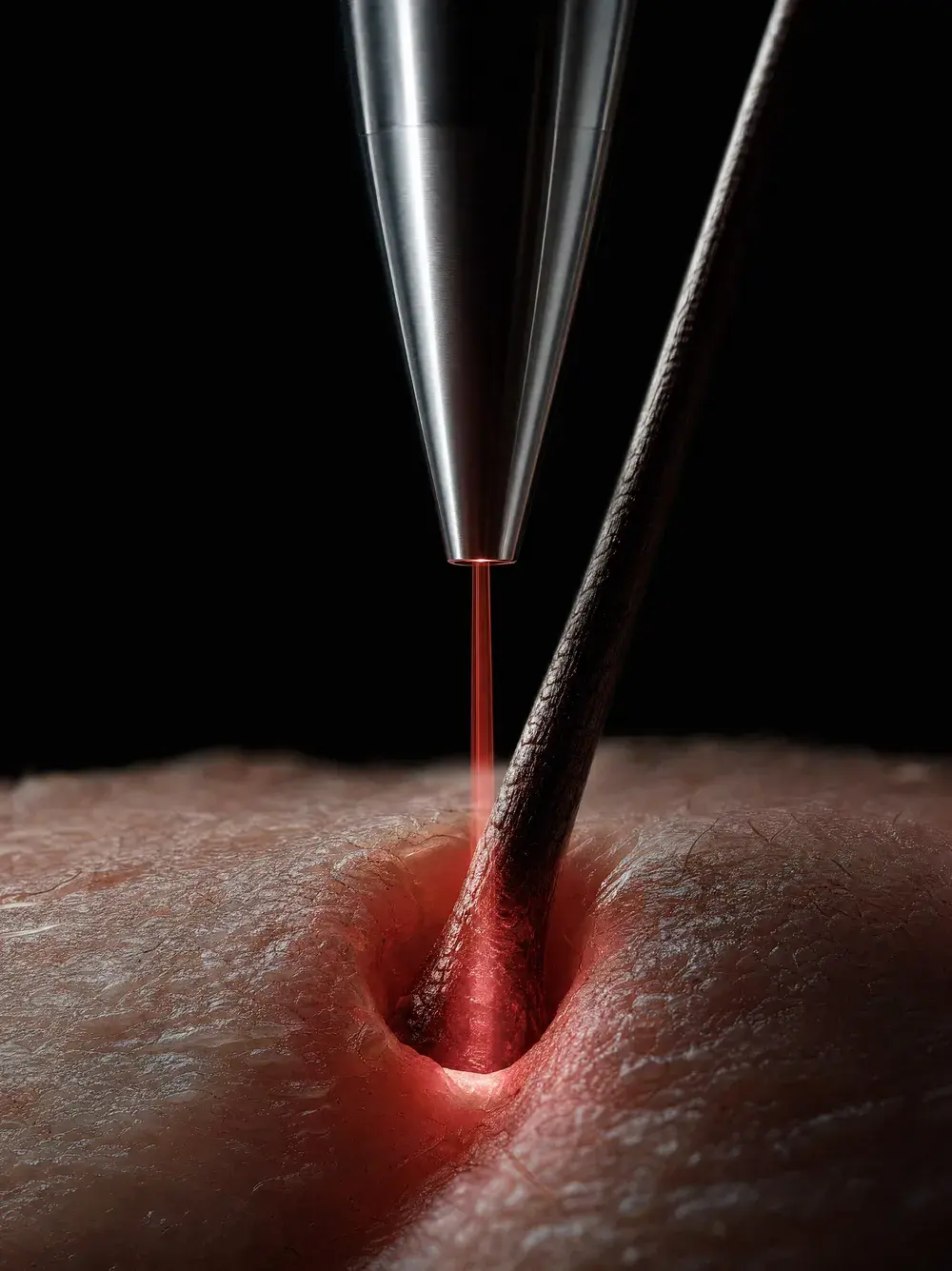
- Pico laser and other light-based treatments target pigment such as sun spots, and discrete spots may improve within one to three sessions. Settings are adapted to skin type, as deeper tones need a more conservative approach.
- Skin boosters deliver fine injections of hyaluronic acid into the skin to improve hydration and quality, typically as a short course of two to three sessions a few weeks apart.
Results vary between individuals and skin types, and none of these treatments replaces daily sun protection. Where pigment is involved, a dermatologist-led assessment matters, because sun spots, post-inflammatory marks and melasma each respond differently, and the wrong approach can make melasma worse rather than better. Dr. Aishani Shah, our Specialist Dermatologist, can advise on which option, if any, suits your skin and when to schedule it.
When should you see a dermatologist about a spot or mole?
See a dermatologist promptly about any new mole or spot, or one that is changing in size, shape or colour, bleeding, itching, crusting or failing to heal. Years of sun exposure raise the risk of skin cancer, and early assessment matters. A post-summer skin check is a sensible habit, particularly if you have many moles or burn easily.
A helpful prompt for moles is the ABCDE guide:
- Asymmetry: one half looks different from the other.
- Border: edges that are irregular, ragged or blurred.
- Colour: several shades of brown, black, red or blue within one mole.
- Diameter: larger than about 6mm, although melanomas can be smaller.
- Evolving: any change over weeks or months.
Also watch for rough, scaly patches on sun-exposed skin that do not settle, a pearly bump, or a sore that does not heal within a few weeks. Most spots are harmless, but only an examination can tell. Our dermatology team can examine anything that concerns you.
Frequently asked questions
Can sun-damaged skin repair itself?
Partly. Skin repairs some short-term changes on its own, and a tan fades as surface cells turn over. Deeper, cumulative damage to collagen and pigment does not fully resolve without help, but consistent sun protection, a good routine and, where appropriate, clinical treatment can improve its appearance over time.
Can vitamin C undo sun damage?
Vitamin C cannot undo sun damage, but evidence suggests it may help. As an antioxidant it can help neutralise some of the free radicals generated by UV, may gradually brighten uneven tone and supports collagen production. It is most useful alongside daily sunscreen rather than as a replacement for it.
Can azelaic acid be used for sun damage?
Azelaic acid is commonly used for uneven pigmentation, redness and breakouts, and may help fade dark spots left by summer. It is generally well tolerated, including by many people with sensitive or rosacea-prone skin, and some strengths are prescription-only. Results build over several months, so patience and consistency matter.
What helps sun spots on the face?
Daily sunscreen and topical ingredients such as vitamin C, azelaic acid and retinoids may gradually lighten sun spots. For more established spots, chemical peels and pico laser or other light-based treatments are commonly used. A dermatologist should confirm a spot is a harmless sun spot before any treatment.
How long does it take skin to recover after summer?
Dehydration and barrier strain often improve within two to four weeks of a gentler routine. Congestion may take four to eight weeks to settle. New pigmentation usually takes several months to fade, and longer if sun exposure continues, which is why sun protection matters as much in winter as in summer.
A calmer season for your skin
The cooler months give skin a chance to recover from everything summer asks of it. A simpler routine, a stronger barrier, unhurried use of evidence-based ingredients and steady sun protection will do most of the work, and the outdoor season is far more enjoyable when your skin feels comfortable.
If summer has left pigmentation, congestion or texture changes that are not settling, or a spot you would like checked, book a consultation with our team in Business Bay. A proper assessment is the most reliable way to understand what your skin needs and which options, if any, are right for you.
Want this for your own biology?
Speak with our team on WhatsApp — we’ll point you to the right protocol, or to a measurement first.