Skin & Dermatology11 min read
How Many Sessions to Remove a Tattoo? Laser Removal, Pain and What to Expect
How many laser sessions a tattoo needs, why it varies, whether it hurts, aftercare in the heat and sun, darker skin, cosmetic ink and realistic results.
Most people thinking about removing an unwanted tattoo want one number: how many sessions will it take? The honest answer is that nobody can give an accurate figure without seeing the tattoo. What can be explained is why the number varies so much, what each session involves, and what a realistic end point looks like.
This guide covers how lasers break up ink, what decides how long removal takes, how sessions are spaced, what it feels like, and how to look after treated skin in Dubai, where year-round sun, heat and time at the pool all affect healing. For the treatment itself, including the assessment and patch test that come first, see our page on laser tattoo removal at Shookra.
How many sessions does it take to remove a tattoo?
Most tattoos need somewhere between six and twelve laser sessions, spaced roughly six to eight weeks apart, so a full course often runs for a year or longer. Amateur and older tattoos tend to sit at the lower end; dense, multi-coloured professional work can need more. Results vary, and complete removal can never be promised.
That range is a starting point, not a quote. Two tattoos of the same size can behave very differently, because removal depends on the ink, how deeply and densely it was placed, where it is on the body and how your skin responds. A realistic estimate comes after an assessment, and it is refined as the clinician sees how your tattoo fades.
How does laser tattoo removal work?
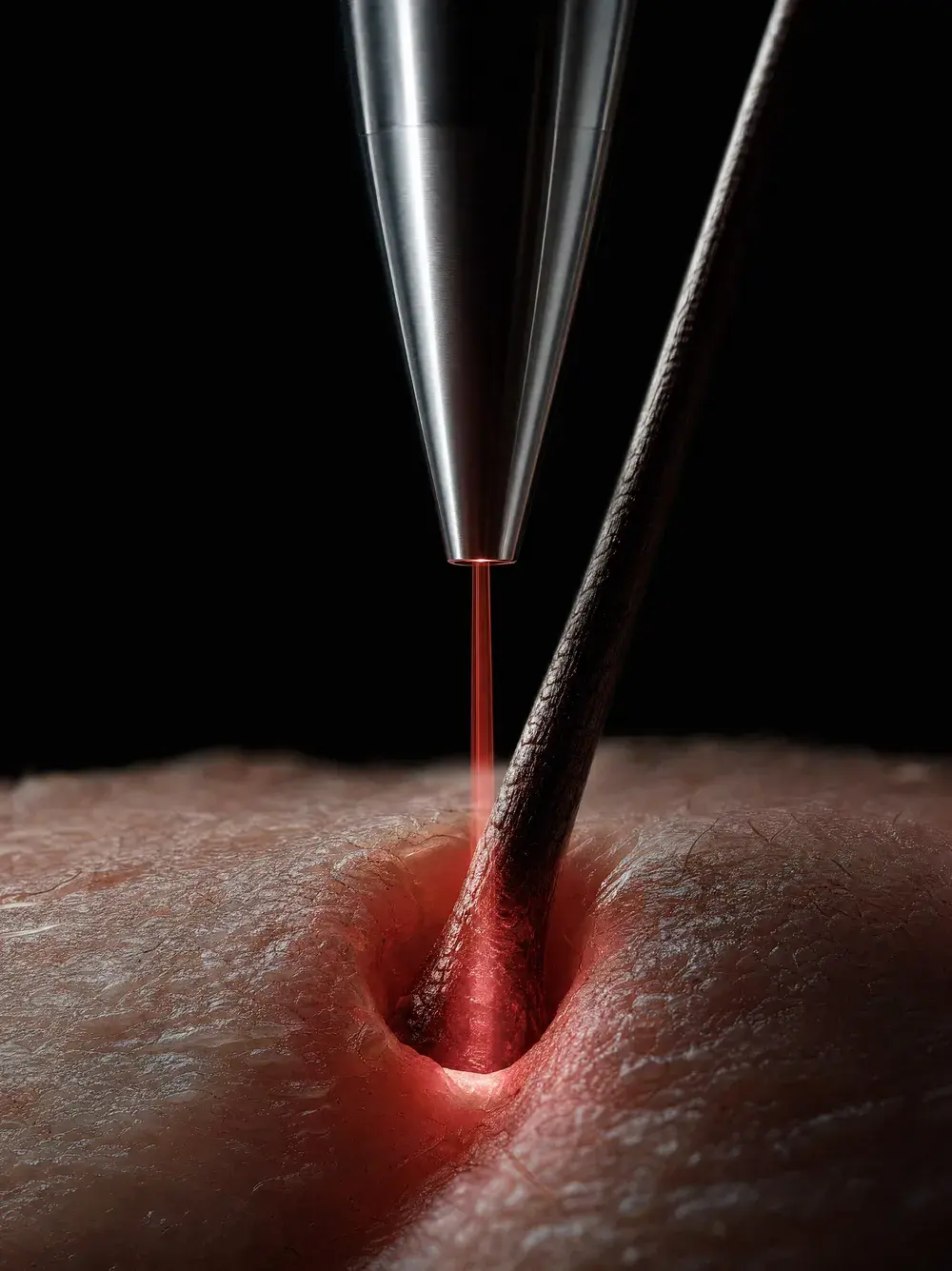
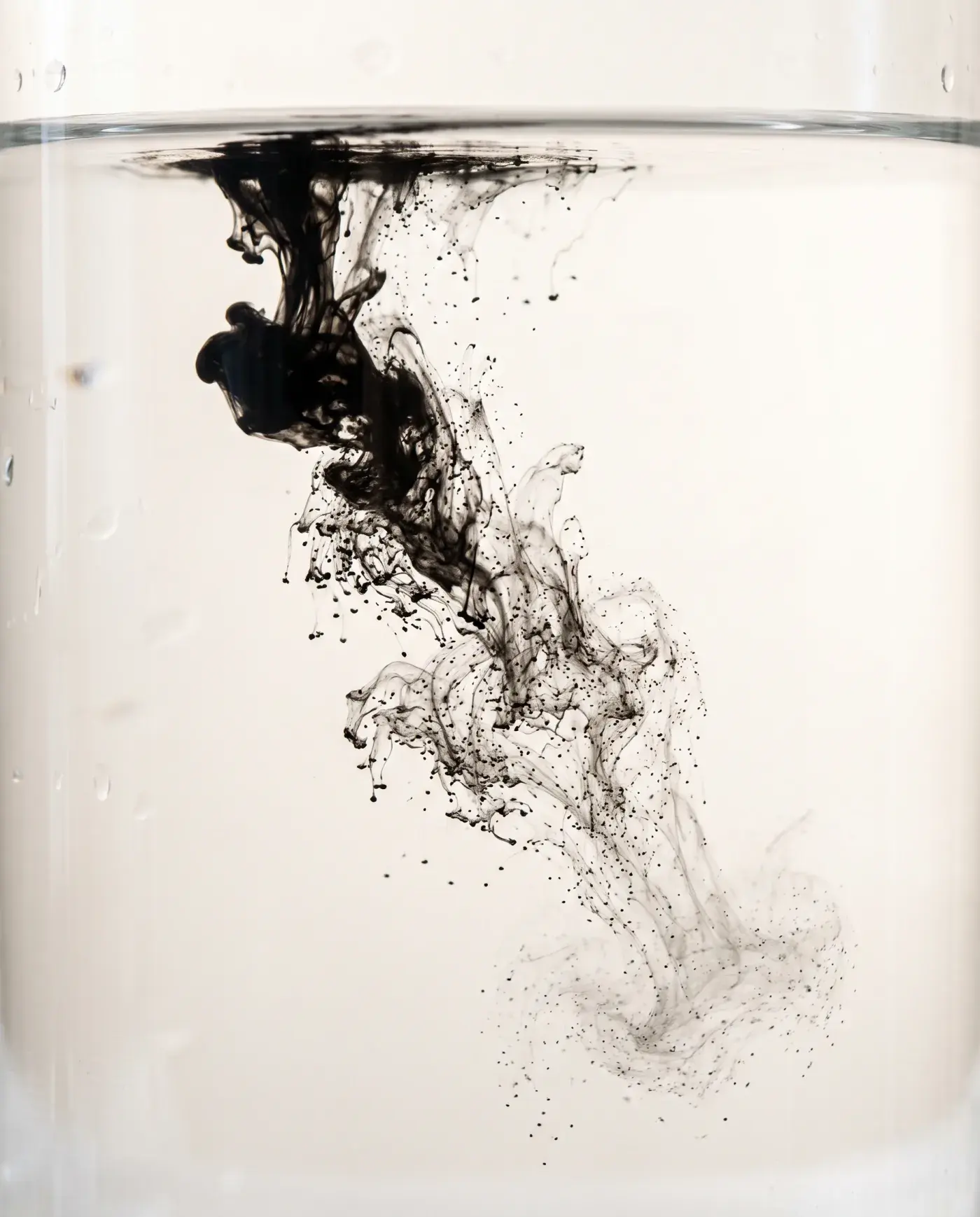
Laser tattoo removal sends extremely short, high-energy pulses of light into the skin. The ink absorbs the energy and breaks into much smaller fragments. Over the following weeks, the body's own clearance processes gradually remove those fragments, which is why a tattoo fades over a course of sessions rather than disappearing at once.
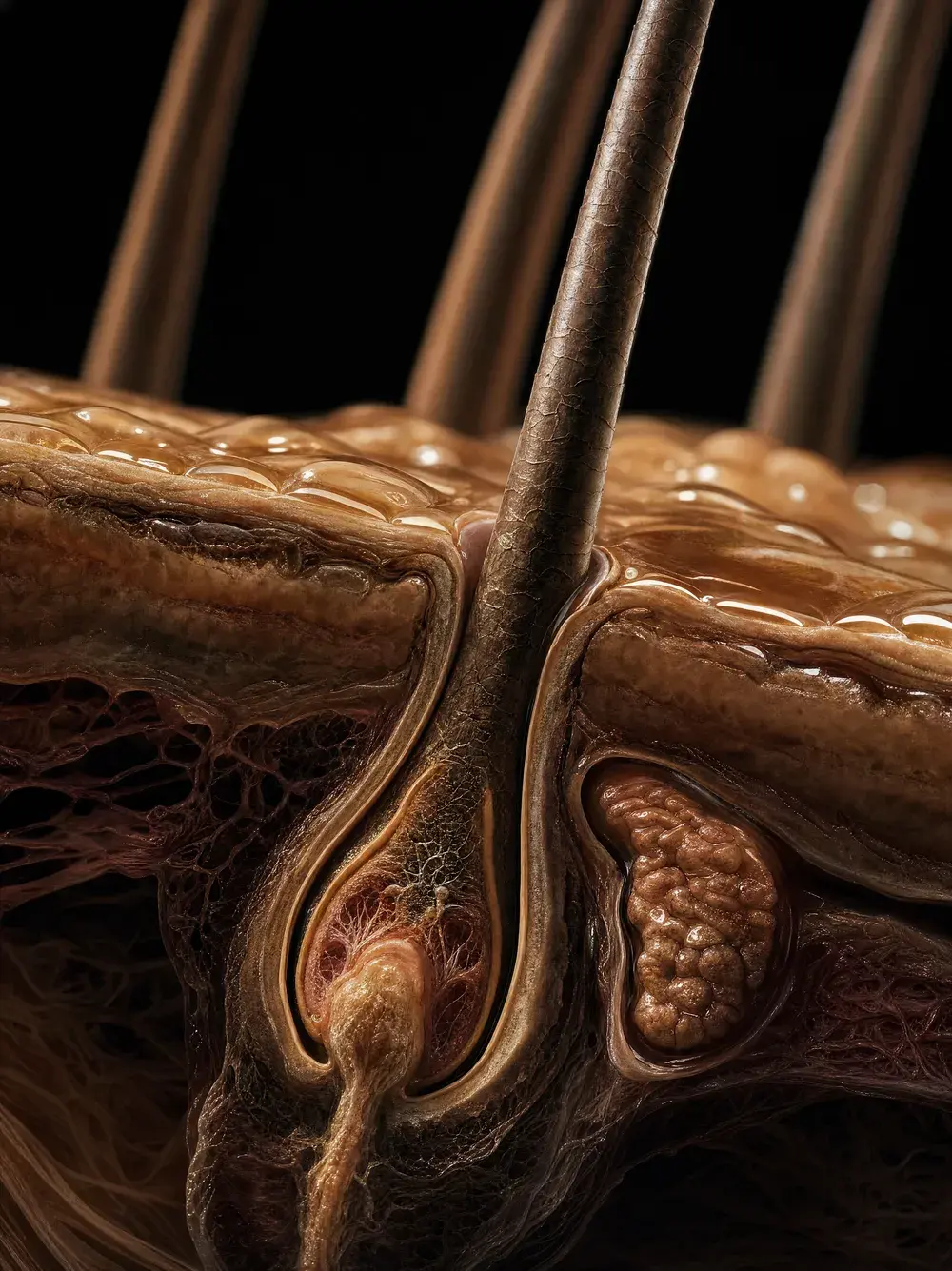
Tattoo ink sits in the dermis, the layer beneath the skin surface, largely held inside immune cells called macrophages. Research in mice published in 2018 (Baranska and colleagues, Journal of Experimental Medicine) suggested that when these cells die, the ink they held is taken up again by new macrophages in the same spot. That cycle helps explain why tattoos last for decades, and why removal relies on breaking ink into pieces small enough to be carried away.
Two main types of laser technology are used:
- Q-switched lasers deliver pulses lasting nanoseconds (billionths of a second). They have been the standard tool for tattoo removal for many years and break ink through a combination of heat and mechanical stress.
- Picosecond lasers deliver much shorter pulses, measured in trillionths of a second. More of the energy acts as a photoacoustic effect, a rapid mechanical shockwave, and less as heat, which may fragment ink more finely.
Shookra uses Q-switched and picosecond lasers for tattoo removal, with settings chosen for the ink and your skin. Our guide to how pico laser technology works explains the picosecond mechanism in more detail. Neither technology removes the need for a course, because the slow part of the process is the body's clearance, not the laser.
Why do some tattoos need more sessions than others?
The number of sessions depends mainly on ink colour, how much ink there is and how deep it sits, the tattoo's age and location, whether it is amateur or professional, your skin tone, and how efficiently your body clears the fragments. Cover-ups and existing scarring add to the total.
- Ink colour. Black and dark blue absorb laser light across a wide range of wavelengths and typically clear most predictably. Greens, light blues and yellows are more stubborn and may need more sessions or a different wavelength.
- Amount and depth of ink. Dense professional work packs more pigment into the skin than most amateur tattoos, which tend to be sparser and often clear in fewer sessions.
- Age. Older tattoos have usually faded over the years, leaving less ink to clear.
- Location. Tattoos nearer the head and trunk generally respond faster than those on the lower legs, ankles, hands or feet, which is thought to relate to circulation and lymphatic drainage.
- Layering and scarring. A tattoo placed over an earlier one, or skin scarred by tattooing, is more demanding to treat.
- Skin tone. Deeper skin tones need more conservative settings to protect the skin's own pigment, which can mean more sessions.
- Your immune system. The immune and lymphatic systems clear the fragments, and how efficiently they do so varies, so the same tattoo can fade at different speeds on different people.
Some clinicians refer to the Kirby-Desai scale, proposed by Kirby and colleagues in 2009 in the Journal of Clinical and Aesthetic Dermatology. It scores six of these factors (skin type, location, colour, amount of ink, scarring and layering) and adds them up for a rough estimate of the number of sessions. It was developed in the era of Q-switched lasers and remains an estimating aid, not a precise prediction.
How far apart should tattoo removal sessions be?
Sessions are usually spaced six to eight weeks apart, and sometimes longer. That gap gives the skin time to heal fully and the body time to clear the fragmented ink. Treating again too soon does not speed up removal and may increase the risk of skin reactions, blistering or pigment changes.
Fading also continues for weeks after each session. Many people see the most visible change over the first few sessions, particularly with black ink. Progress then tends to slow as the remaining ink is deeper or more resistant in colour, which is a normal part of the process rather than a sign the treatment has stopped working.
Does laser tattoo removal hurt?
Laser tattoo removal is uncomfortable for most people, and how much depends on the area and your own sensitivity. It is often described as a sharp, snapping sensation, like a rubber band flicking against the skin. Each pulse is very brief, sessions are usually short, and cooling or numbing may be used for comfort.
Bonier, thinner-skinned areas such as the ankles, wrists and ribs tend to feel more intense. You wear protective eyewear throughout. Treated ink often turns white straight away, a temporary effect called frosting that fades within minutes. Redness, swelling and tenderness are common afterwards, and some people develop blistering or pinpoint bleeding in the following days.
What is the aftercare after laser tattoo removal in Dubai?
After laser tattoo removal, keep the area clean and dry, follow your dressing instructions, do not pick at blisters or scabs, and protect the skin from the sun. Until the skin has healed, avoid swimming pools, the sea and hot tubs, and limit heat, sweating and friction on the area.
In a hot, sunny climate a few points matter more than usual:
- Sun protection. Freshly treated skin is vulnerable to UV, and sun exposure can trigger darkening or uneven pigment as it heals. Keep the area covered where you can, and once the skin has closed, use a broad-spectrum high-SPF sunscreen daily for the whole course.
- No tanning between sessions. A tan adds melanin that competes for the laser energy, which raises the risk of pigment changes and may mean a session has to be postponed.
- Pools, sea and the beach. Open or blistered skin is an infection risk in pool and sea water. Wait until your clinician confirms the area has healed, which typically takes one to two weeks.
- Heat and sweat. Saunas, steam rooms and intense workouts can aggravate freshly treated skin, so many clinicians advise easing off for the first few days.
Some people plan sessions around beach holidays or the cooler months so the weeks after each treatment are easier to manage.
Is laser tattoo removal safe for darker skin?
Laser tattoo removal can be carried out on darker skin, but it needs more care. Melanin, the skin's natural pigment, can absorb laser energy alongside the ink, which raises the risk of temporary or longer-lasting lightening or darkening. Conservative settings and a patch test help reduce that risk.
The two changes to know about are hypopigmentation, where treated skin becomes lighter than its surroundings, and post-inflammatory hyperpigmentation, where it becomes darker. Both are more likely in medium and deeper skin tones, which make up much of Dubai's population. Darkening often settles gradually over months, while lightening can take longer and does not always resolve fully. Longer wavelengths, which melanin absorbs less, and wider spacing between sessions are generally used for deeper skin types. Our page on how hyperpigmentation is assessed and treated explains the wider picture, and why pigmentation is so common in Dubai covers the local factors.
Scarring and texture change are uncommon with appropriate settings but possible, particularly where the original tattoo scarred the skin or aftercare is not followed.
Can eyebrow and cosmetic tattoos be removed with laser?
Cosmetic tattoos, including eyebrow tattoos, lip liner and lip blush, can sometimes be faded with laser, but they carry a particular risk. Many cosmetic pigments contain iron oxide or titanium dioxide, which can turn grey or black when hit by a laser instead of fading. A test patch is essential.
Brown, flesh-toned, pink and white pigments are the most likely to behave this way. Darkening may still be treatable over further sessions, but it changes the plan and the timescale, and work near the eyes and lips needs careful protection and technique. Semi-permanent makeup sits more superficially than a body tattoo and is designed to fade over time, as our page on semi-permanent makeup explains, but correcting or removing it is generally slower and more involved than having it placed. An assessment before committing to removal is worthwhile, as fading may not be the only option.
Can a tattoo be completely removed?
Many tattoos can be faded substantially, and some clear to the point where they are hard to see. However, complete tattoo removal can never be promised. A faint shadow, sometimes called ghosting, a slight change in texture or a difference in skin tone can remain, particularly with coloured, dense or layered ink.
It helps to decide your goal at the outset. Some people want the tattoo gone as far as possible; others only want it lightened enough for an artist to cover with new work, which usually takes fewer sessions. Tattoo removal creams, by contrast, have little good evidence behind them: ink sits beneath the surface where creams cannot reach, and some products have been linked to chemical burns and scarring.
When should laser tattoo removal be postponed or avoided?
Laser tattoo removal should usually be postponed if you have a tan, sunburn, broken skin or an infection over the area, or if you are pregnant or breastfeeding. Certain medications, including those that make skin more sensitive to light, also need review first. A mole or changing spot within a tattoo should be checked by a doctor before any laser treatment.
Raise any of the following at your consultation:
- Recent sun exposure, a tan or sunburn on the area
- Pregnancy or breastfeeding
- An active infection, rash or broken skin, or cold sores near a lip tattoo
- Photosensitising medication, or any recent change in prescriptions
- A history of keloid or raised scarring
- Past treatment with gold-based medicines, which can cause skin darkening with some lasers
- Any mole, spot or lump within the tattoo that is new, changing, itchy or bleeding
That last point matters. Dark ink can make skin changes harder to spot, and lasering a lesion that needs medical review can alter its appearance. Anything suspicious should be examined by our dermatology team first.
How we approach tattoo removal at Shookra
At our clinic in Business Bay, tattoo removal starts with an assessment rather than a session count. A clinician examines the tattoo and your skin, asks about sun exposure, medications and your goals, and carries out a patch test before any course begins. Laser settings are then chosen for the ink and your skin tone, with particular care for deeper skin.
Dr. Nihal Hussein, our Aesthetic & Functional Medicine doctor, can advise on whether laser removal suits your tattoo and your skin. Progress is reviewed between sessions and the plan adjusted as the tattoo fades, so the estimate you start with becomes more accurate as the course goes on.
If you are thinking about removing or lightening a tattoo, book a consultation and we will give you an honest view of how your tattoo is likely to respond, how long it may take and whether laser is the right approach for you.
Frequently asked questions
Does laser tattoo removal leave a scar?
Scarring is uncommon when appropriate settings are used and aftercare is followed, but it cannot be ruled out. The risk is higher where the original tattoo already scarred the skin, where blisters are picked, or where infection develops. Temporary redness, swelling and blistering are expected and are different from scarring.
How soon after getting a tattoo can it be removed?
A new tattoo should be fully healed before laser treatment is considered, which typically means waiting at least six to eight weeks, sometimes longer. Treating skin that is still recovering from tattooing increases the risk of irritation and scarring, so your clinician will check the skin has settled at assessment.
Can you speed up laser tattoo removal?
Booking sessions closer together does not usually speed up removal, because the body needs weeks to clear fragmented ink and the skin needs time to heal. What helps most is following aftercare, avoiding sun and tanning, and keeping to the agreed spacing so sessions are not postponed.
Is one session of laser tattoo removal enough?
One session is very rarely enough to remove a tattoo. It usually produces some fading, particularly with black ink, but ink is cleared gradually over a course of sessions. A single session may suffice only for very faint, small or sparse ink, which your clinician can judge at assessment.
Want this for your own biology?
Speak with our team on WhatsApp — we’ll point you to the right protocol, or to a measurement first.