Skin & Dermatology7 min read
Why Pigmentation Is So Common in Dubai: Sun, Heat and Your Skin
Why facial pigmentation is so common in Dubai: sun, heat, hormones and skin trauma. What causes dark spots, how they are treated and when to see a dermatologist.
Ask any dermatologist practising in Dubai what walks through the door most often and pigmentation will be at or near the top of the list. Dark spots, uneven patches, a tan that never quite fades, melasma that deepens every summer: facial pigmentation is one of the most common skin concerns in the region, and there are specific, explainable reasons why this city is so hard on skin tone.
This guide explains what actually causes pigmentation on the face, why Dubai's climate makes it worse, which types of pigmentation behave differently, and what genuinely helps. It is written to inform rather than diagnose: pigmentation is one of the areas of dermatology where the correct diagnosis changes the treatment entirely, which is why hyperpigmentation is assessed as a medical condition at our clinic, not a cosmetic afterthought.
What Causes Pigmentation on the Face?
Facial pigmentation appears when melanocytes, the cells that produce your skin's pigment, make too much melanin in one area. The main triggers are ultraviolet light from sun exposure, hormonal changes, inflammation or injury to the skin, certain medications and genetic predisposition. Usually several of these act together, with sun exposure amplifying all the others.
Melanin itself is not a fault. It is the skin's built-in sun protection, produced in response to ultraviolet radiation to shield the DNA in your skin cells. Pigmentation problems arise when that production becomes uneven or stays switched on: pigment clusters into visible dark spots and patches instead of a uniform tone.
The common contributors are worth knowing individually:
- Sun exposure is the single biggest cause. UV light directly stimulates melanin production, and cumulative exposure over years produces sun spots, sometimes called age spots, and a generally uneven tone.
- Hormonal changes, including pregnancy, the contraceptive pill and other hormonal shifts, can trigger melasma, a symmetrical patchy pigmentation typically across the cheeks, forehead and upper lip.
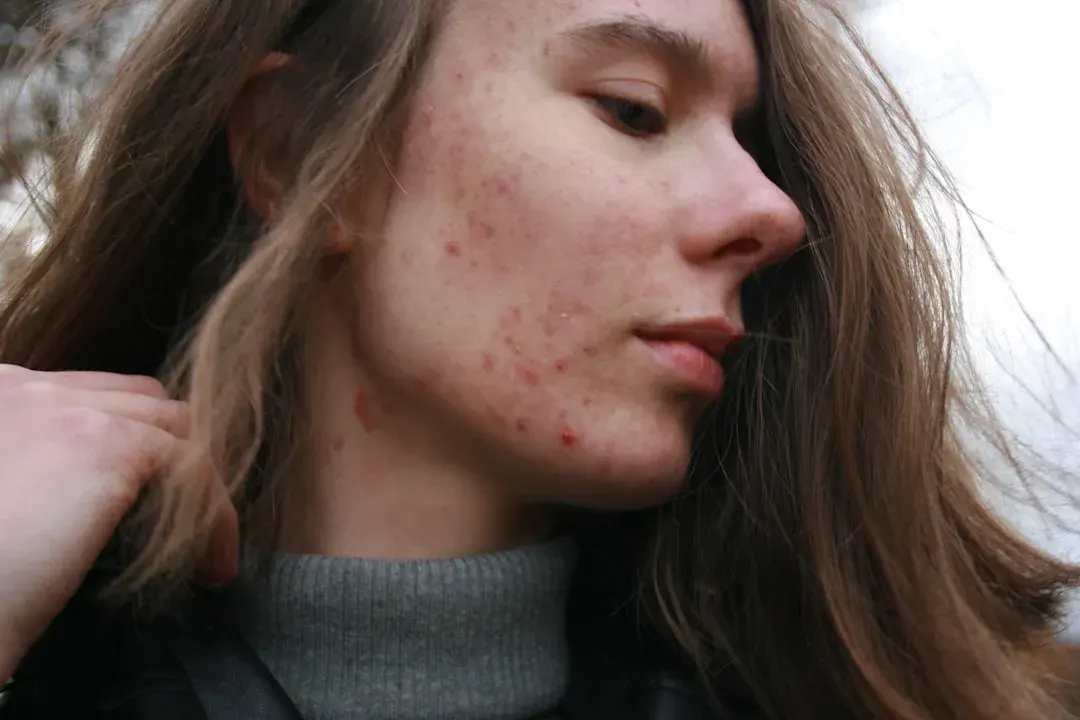
- Inflammation and injury, including acne, eczema, insect bites, aggressive scrubbing or picking at spots, can leave dark marks after the skin heals. This is called post-inflammatory hyperpigmentation, or PIH, and it is especially common in deeper skin tones.
- Medications and medical conditions can darken skin in some people, from certain antibiotics and anti-inflammatory drugs to endocrine conditions. This is one reason unexplained pigmentation deserves a medical review rather than a new serum.
- Genetics and skin type set the baseline. Skin that tans easily, broadly Fitzpatrick types III to VI, has more active melanocytes and is more prone to melasma, PIH and stubborn dark patches.
Why Is Pigmentation So Common in Dubai?
Dubai combines nearly every environmental trigger for pigmentation in one place: intense year-round ultraviolet radiation, significant heat, and a lifestyle that swings between strong sun and air-conditioned interiors. The UV index here sits at levels most of the world only sees in midsummer, and it does so for most of the year.
A few local factors deserve more attention than they usually get:
- There is no off-season. In many countries, skin gets several months of weak sun in which pigment fades and repair catches up. In the UAE, UV exposure is significant in January as well as July, so pigment accumulates without a recovery window.
- Heat is a trigger in its own right. Research indicates that heat and visible light, not just UV, can stimulate pigment production, which matters for melasma in particular. Even diligent sunscreen users can find melasma worsening in the summer months simply from heat exposure.
- Incidental exposure adds up. Driving with an unprotected side window, the school run, the walk from the car park: UVA passes through glass and clouds, and these small daily doses often outweigh the beach days people actually prepare for.
- The population is diverse, and much of it is pigmentation-prone. A large proportion of residents have skin types III to VI, which are naturally more susceptible to melasma and post-inflammatory hyperpigmentation.
- Sweat, occlusion and irritation. Heavy sunscreens, heat and sweat can irritate skin and trigger breakouts, and every inflamed spot in a pigmentation-prone skin type is a potential dark mark afterwards.
What Are the Main Types of Facial Pigmentation?
Not all dark patches are the same condition, and treating them as interchangeable is how pigmentation treatment goes wrong. The three you will hear about most:
- Sun spots (solar lentigines). Discrete flat brown spots on sun-exposed areas, accumulating with age and exposure. These generally respond well to treatment but will return if sun protection lapses.
- Melasma. Symmetrical brown or grey-brown patches, usually on the cheeks, forehead or upper lip, driven by hormones, heat and light. It is a chronic, managed condition rather than a one-off fix, and aggressive treatment can make it worse.
- Post-inflammatory hyperpigmentation. Dark marks left behind by acne, injury or irritation. PIH often fades on its own over months, and the priority is treating the underlying cause and protecting the marks from sun while they clear.
Distinguishing between these, and ruling out less common causes, is a clinical judgement. It is the first thing our dermatology team establishes before any treatment is proposed.
Why Am I Suddenly Getting Pigmentation?
New or suddenly worsening pigmentation usually has an identifiable trigger: a hormonal change such as pregnancy or starting the pill, a new medication, a period of intense sun exposure, or recent skin inflammation such as a breakout or an aggressive cosmetic treatment. In Dubai, the seasonal jump in heat and UV each summer is a common culprit.
It is worth reconstructing the timeline honestly. Pigment that appears weeks after the trigger is common, because melanin takes time to reach the skin's surface, so the cause is often something that happened a month or two before you noticed the change. If no trigger fits, or the pigmentation is spreading quickly, that is a reason for a medical assessment rather than guesswork.
How Do I Stop Pigmentation on My Face Getting Worse?
Prevention is genuinely effective, and in this climate it is non-negotiable if you want any treatment to hold:
- Broad-spectrum SPF 50 every day, reapplied if you are outdoors, twelve months a year. For melasma, evidence supports tinted sunscreens containing iron oxides, which block the visible light that untinted formulas let through.
- Shade discipline. Sunglasses, a cap, the shaded side of the street, UV film or simply keeping car windows up. Small habits control the incidental exposure that drives most accumulation.
- Do not pick. Squeezing spots and picking scabs converts minor blemishes into months of PIH, particularly in deeper skin tones.
- Keep skin care gentle. Harsh scrubs, fragranced products and DIY acid layering irritate skin, and irritation in pigmentation-prone skin creates pigment. A simple, well-chosen skin care routine does more for tone than an aggressive one.
- Get breakouts treated. If acne is leaving marks, treating it prevents the next generation of dark spots.
How Do You Treat Face Pigmentation?
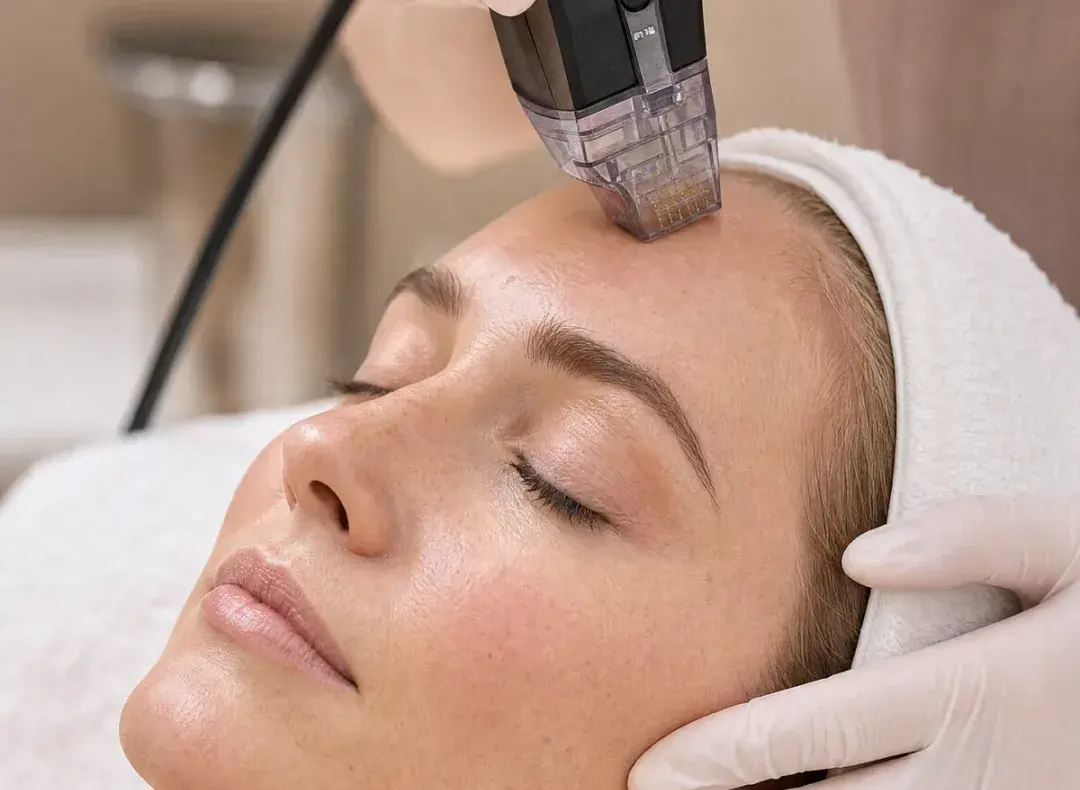
Treatment works best in a sequence: accurate diagnosis first, then a plan matched to the pigment type, your skin type and the season. The main clinical tools are prescription and cosmeceutical topical creams that may help regulate pigment production, chemical peels that lift pigmented outer layers, and laser therapy such as pico laser that breaks pigment into fragments the body clears naturally.
The reason diagnosis leads is that these tools are not interchangeable. Sun spots typically respond well to peels and laser. Melasma is far more temperamental: the wrong laser settings or an aggressive peel can darken it, so it is usually managed with topical treatment, careful light protection and conservative in-clinic sessions. PIH often needs little more than time, sun protection and treatment of the underlying cause.
Skin type matters just as much. Darker skin tones need adapted peel choices and laser parameters to avoid trading one kind of pigmentation for another. This judgement, matching treatment to diagnosis and skin type, is exactly what a dermatologist adds, and it is how our dermatology clinic in Business Bay approaches every pigmentation case: assess first, treat second, review as the skin responds. Skin tone and texture also reflect overall health more than most people expect, a theme explored in skin as the biomarker you can see.
Does Facial Pigmentation Ever Go Away?
Some types fade on their own and some do not. Post-inflammatory marks commonly fade over three to twelve months if the underlying cause is controlled and the area is sun-protected. Sun spots rarely disappear without treatment, though they can be lightened effectively in clinic. Melasma is chronic: it can be substantially improved and maintained, but it requires ongoing management rather than a single cure-all treatment.
The honest framing is that pigmentation in Dubai is a condition you manage in partnership with the climate. Results that are achieved in clinic are kept, or lost, by what happens with sun exposure afterwards.
When Should You See a Doctor About Pigmentation?
Most facial pigmentation is harmless, but some changes need a medical opinion promptly. Book an assessment if a dark spot is changing in size, shape or colour, has an irregular border, contains multiple colours, itches or bleeds, or simply looks different from every other mark on your face. These features can indicate skin cancer, which is treatable and best caught early, and no cosmetic treatment should ever go near an undiagnosed lesion.
See a doctor too if pigmentation appears rapidly without an obvious trigger, affects areas beyond the skin such as the lips or gums, or arrives alongside other symptoms such as fatigue. Certain medical conditions and medications present this way, and they are found by assessment, not by skincare.
At Shookra, pigmentation consultations are led by our dermatology team under Dr. Natalia Chaikovskaia, whose two decades of practice and PhD in dermatology sit behind every diagnosis. If pigmentation is bothering you, or a spot has changed, book a consultation at our Business Bay clinic and we will establish what you are actually dealing with before recommending anything.
Frequently Asked Questions
What causes pigmentation on the face?
Pigmentation appears when melanocytes produce excess melanin in one area. The main causes are cumulative sun exposure, hormonal changes such as pregnancy or the contraceptive pill, inflammation from acne or injury, certain medications and genetic skin type. In Dubai, intense year-round UV and heat amplify all of these triggers.
Why am I suddenly getting pigmentation?
Sudden pigmentation usually follows a trigger from the previous month or two: a hormonal change, a new medication, intense sun exposure or skin inflammation such as a breakout. In the UAE, the summer rise in heat and UV commonly worsens melasma. Rapidly spreading or unexplained pigmentation warrants a medical assessment.
How do you treat pigmentation on the face?
Treatment depends on the diagnosis. Options include pigment-regulating topicals, chemical peels and pico laser treatment, chosen to match the pigment type and your skin tone. Melasma needs particularly cautious management, as aggressive treatment can worsen it. A dermatologist's assessment before treatment is what makes results reliable.
Does facial pigmentation ever go away?
Post-inflammatory marks commonly fade within three to twelve months with sun protection and treatment of the cause. Sun spots rarely fade without treatment but respond well to it. Melasma is chronic and managed rather than cured. In every case, daily SPF determines whether improvement lasts.
When should I worry about a dark spot?
See a doctor promptly if a spot is changing in size, shape or colour, has irregular borders, shows multiple colours, itches or bleeds. These features can indicate skin cancer and need diagnosis before any cosmetic treatment. New, rapidly spreading pigmentation without an obvious trigger also deserves a medical review.
Want this for your own biology?
Speak with our team on WhatsApp — we’ll point you to the right protocol, or to a measurement first.