Skin & Dermatology10 min read
Microneedling in Dubai: Collagen Induction for Scars, Pores and Texture
Microneedling in Dubai explained: how collagen induction works on acne scars, pores and texture, safety for darker skin, PRP add-ons, downtime and aftercare.
Microneedling has an image problem. It is sold in beauty salons, on social media and as a roller you can buy online, which makes it easy to assume it is a gentle facial with a dramatic name. The microneedling offered across Dubai clinics ranges from quick add-ons to doctor-led protocols, and in clinical hands it is something more considered: a precise, doctor-planned way of prompting the skin to rebuild its own collagen, with decent evidence behind it for acne scarring and texture, and genuine limits that are worth knowing before you book.
This guide explains how microneedling works, what it can and cannot help with, how it suits the range of skin tones we see in Dubai, what adding PRP or hyaluronic acid really contributes, and how to recover well in a city with year-round sun. Because scarring is the most common reason clients ask about it, microneedling at our Business Bay clinic usually sits within a wider acne scar removal plan, alongside other techniques matched to the type of scar.
What Is Microneedling and How Does It Work?
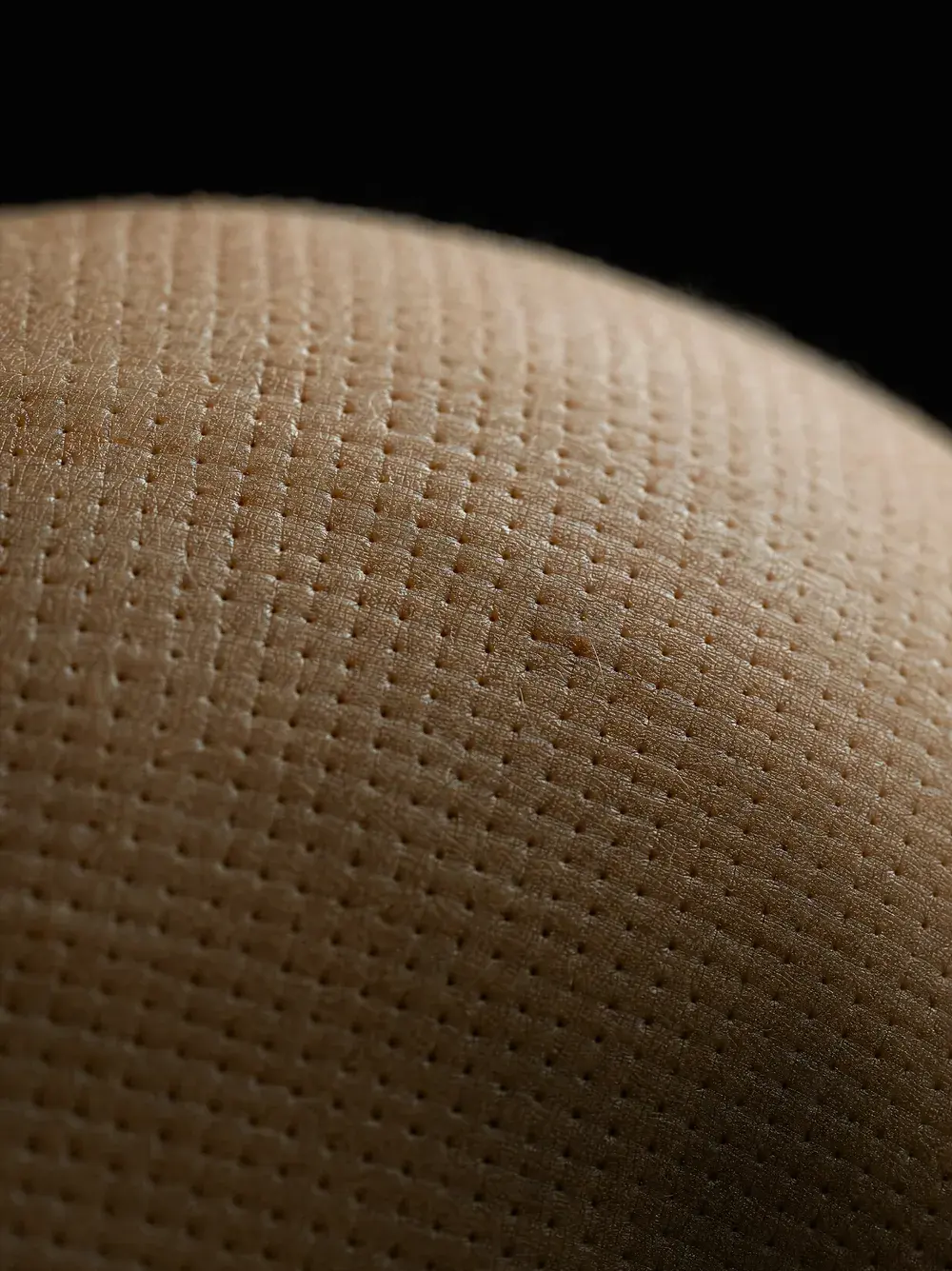
Microneedling, also called collagen induction therapy, uses a medical-grade pen fitted with a cartridge of very fine, sterile needles to create thousands of controlled micro-channels in the skin. These tiny injuries trigger the body's natural wound-healing response, increasing collagen and elastin production and gradually remodels the skin's structure over the following months, without surgery.
The biology is well described. Each micro-channel sets off the same three-phase repair process as any small wound: a brief inflammatory phase in the first days, a proliferative phase in which fibroblasts, the skin's collagen-producing cells, become more active, and a remodelling phase that continues for months as the new collagen matures and reorganises. Because the injuries are so small and the surface closes within hours, the skin repairs itself without the broader surface damage of more aggressive resurfacing.
Depth is the clinical variable that matters most. Treatment depths on the face commonly range from a fraction of a millimetre for surface refinement to around two millimetres over established scarring, adjusted zone by zone. Choosing that depth for your skin, your concern and each area of the face is the judgement that separates a medical treatment from a cosmetic one.
What Can Microneedling Help With?
Microneedling is most commonly used for concerns rooted in the skin's collagen structure. Clinical studies suggest it can help with:
- Atrophic acne scars. Rolling scars and shallow boxcar scars tend to respond well because they reflect lost or tethered collagen that the treatment encourages the skin to rebuild. Deep, narrow ice-pick scars usually need targeted techniques such as focal peels or subcision first, with microneedling used to refine the surrounding skin.
- Uneven texture. Rough, crepey or bumpy skin often looks smoother after a course, as new collagen fills in the fine irregularities that scatter light.
- Enlarged pores. Many clients notice pores appear smaller and tighter. Pore size is partly genetic and oil-driven, so expect refinement rather than disappearance.
- Fine lines and early wrinkles. Early lines, particularly around the eyes and on the cheeks, may soften as the dermis thickens. Deeper expression lines are usually better addressed with other treatments.
- Stretch marks. Microneedling on the body is commonly used to improve the texture and visibility of stretch marks, with newer, pinker marks tending to respond better than older, silvery ones. Our body treatments page covers the wider options.
The same principle is also applied to the scalp. Microneedling for hair uses controlled micro-injury to support follicle activity in thinning areas, often alongside regenerative treatments, and is a separate protocol from facial work.
What Microneedling Is Not the Right Tool For
Honest expectations matter as much as benefits. Microneedling is generally not recommended, or not effective on its own, for:
- Active acne. Needling through inflamed spots can spread bacteria and worsen breakouts. Acne needs to be brought under control first, through medical acne treatment, before scars are addressed. If breakouts are a recent development, our guide to adult acne and its causes in Dubai is a useful starting point.
- Pigment-led concerns. Melasma and stubborn hyperpigmentation are driven by overactive pigment cells, and in deeper skin tones any inflammation carries a risk of post-inflammatory hyperpigmentation, meaning new dark patches. These concerns usually need a pigment-specific plan through our melasma or hyperpigmentation pathways rather than needling alone, sometimes alongside carefully selected laser skin rejuvenation.
- Skin laxity. Microneedling improves the quality of skin, not its position. Sagging along the jawline or loose skin on the neck typically calls for treatments that work at deeper structural levels, such as HIFU or radiofrequency.
Is Microneedling Safe for Darker Skin Tones?
For most clients, yes, with the right approach. Microneedling delivers no heat or light energy and leaves most of the skin's surface intact, so it is generally considered to carry a lower risk of pigment changes than many heat-based or ablative laser treatments. That makes it a frequent choice for Fitzpatrick skin types III to VI, which describes much of the skin we treat in Dubai.
Lower risk is not no risk. Overly aggressive depths, treating skin that is already inflamed, and sun exposure during healing can all trigger post-inflammatory hyperpigmentation in deeper skin tones. A careful plan for darker skin typically includes a period of pigment-regulating skincare before the first session, conservative depths that are built up gradually, and strict sun protection afterwards. The reasons pigment behaves so reactively here are explored in why pigmentation is common in Dubai.
Microneedling With PRP, Hyaluronic Acid or Mesotherapy
Because the micro-channels stay open briefly after treatment, microneedling is often combined with a product applied to the skin during the session. At Shookra, facial microneedling for the face, neck and décolletage can be performed on its own or combined with:
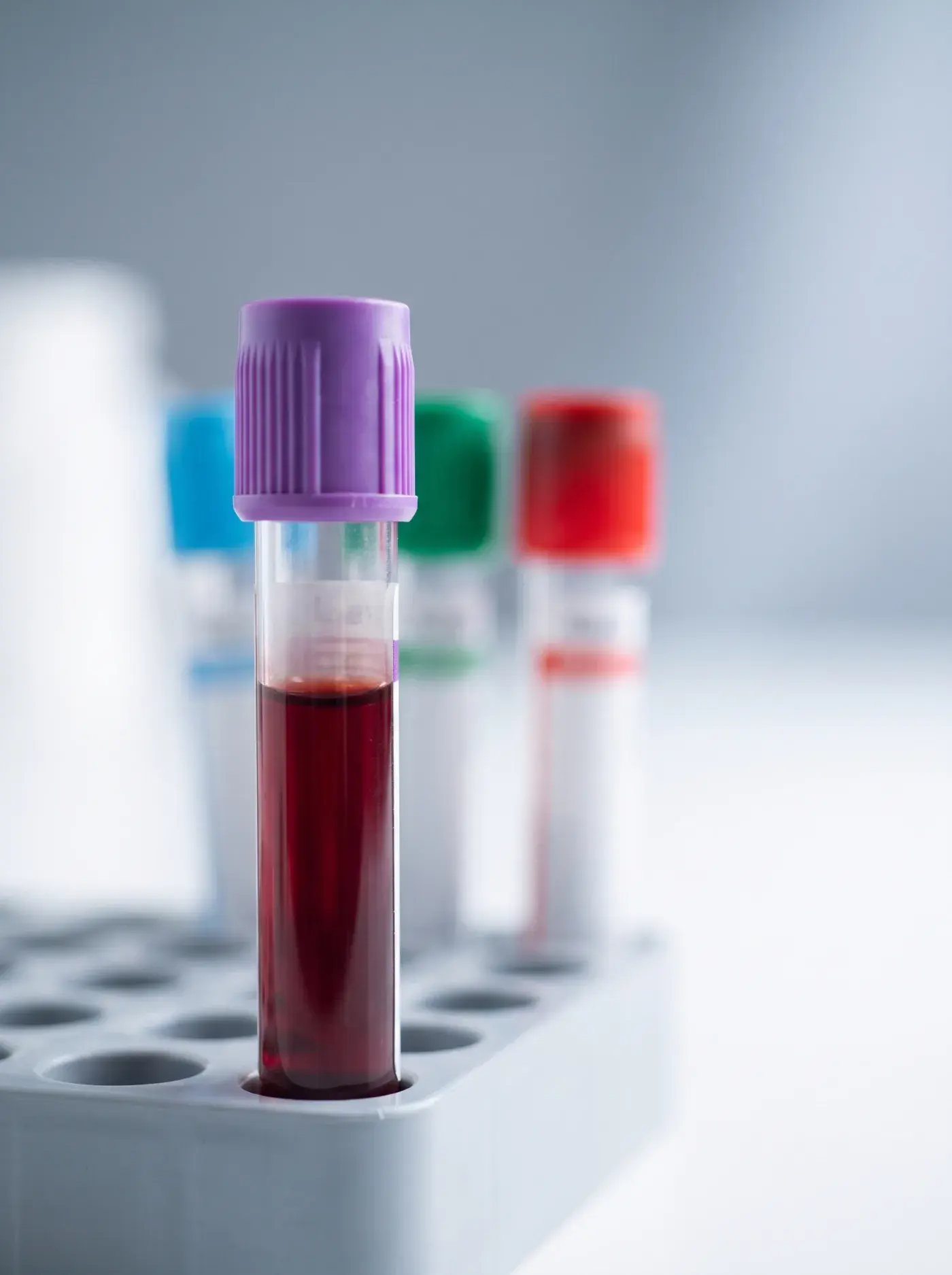
- PRP (platelet-rich plasma). A concentrate prepared from a small sample of your own blood, rich in growth factors involved in repair. Several comparative studies suggest adding it may give a modestly greater improvement in acne scarring, and some clients report calmer recovery, though the evidence remains limited in size and quality. Our PRP therapy page explains how it is prepared.
- PRP with hyaluronic acid. Pairing it with a non-cross-linked hyaluronic acid adds hydration support during healing, which some clients find helpful for dehydrated or dull skin.
- Mesotherapy blends. Sterile formulations designed for skin quality, applied during treatment. Our mesotherapy page describes how these are used.
One principle applies to every add-on: anything applied to freshly needled skin must be sterile and formulated for that use. Ordinary serums and creams were never designed to enter the skin through open channels, and reactions including persistent inflammatory bumps have been reported when they are. This is one reason combination treatments belong in a medical setting.
Microneedling or Morpheus8: Which Do You Need?
Morpheus8 is a form of RF microneedling: the needles deliver radiofrequency energy as heat at depth, which adds a tightening effect alongside collagen remodelling. It tends to suit deeper scarring and mild laxity, while standard microneedling suits surface irregularity, pores and many acne scars with a gentler recovery. We compare them in detail in our guide to Morpheus8 in Dubai, and the Morpheus8 treatment page covers how it is performed. Your assessment will point to one, the other, or a sequence of both.
At-Home Derma Rollers vs Clinical Microneedling
Home derma rollers look like a cheaper version of the same treatment, but they are a different proposition. Most use very short needles that reach only the surface, so they cannot produce the collagen response behind clinical results. Longer-needle rollers carry real risks: rolling pushes needles in and out at an angle, which can tear rather than puncture the skin, rollers blunt quickly, and they are difficult to keep sterile between uses.
In our experience, the complications that follow home use include infection, broken capillaries, pigment changes and, occasionally, visible track marks. Clinical microneedling uses a single-use sterile cartridge, a pen that enters the skin vertically at a controlled depth and speed, medical-grade skin preparation, and a clinician trained to adjust treatment across different areas of the face.
How Many Sessions Will You Need and What Is the Downtime?
Most clients need a course of three to six sessions spaced four to six weeks apart, with acne scarring usually at the upper end. Redness similar to mild sunburn typically lasts one to three days, followed by a few days of dryness or light flaking. Results develop gradually over three to six months as new collagen matures.
A session starts with cleansing and a topical numbing cream applied for around thirty to forty-five minutes, so most clients describe treatment as comfortable and well tolerated, with a sensation of light vibration and scratching over bonier areas. The needling itself usually takes thirty to forty minutes for the full face. Pinpoint bleeding is normal at scar-treating depths and settles quickly.
Many clients return to work the next day with the help of mineral make-up after the first twenty-four hours. Plan important events at least a week after a session, and remember that the visible result of each session keeps improving long after the redness has gone. Results are influenced by skin type, age, scar type and aftercare, and your doctor will advise whether maintenance sessions make sense once the course is complete.
Aftercare in Dubai's Climate
Aftercare decides much of the outcome, and in Dubai it comes down to heat and sun:
- Protect from sun for the first week. Healing skin is especially prone to pigment changes. Use a broad-spectrum SPF 50 once the skin has settled after the first day, reapply regularly and keep out of direct sun where you can.
- Avoid heat and sweat for 48 to 72 hours. Hold off on the gym, saunas, steam rooms, hot yoga and swimming pools while the micro-channels close.
- Keep skincare simple. A gentle cleanser and a plain moisturiser only for the first few days. Pause retinoids, exfoliating acids and vitamin C until your clinician advises restarting, usually after about five to seven days.
- Hands off. Let any flaking shed on its own and avoid touching the face or wearing make-up for the first 24 hours.
Many clients plan scar-focused courses for the cooler months between October and April, when sun avoidance is easier, though treatment is possible year-round with disciplined protection.
Who Should Avoid Microneedling?
Like all medical procedures, microneedling is not suitable for everyone, and a consultation will review your medical history and general health first. It is usually avoided or postponed with:
- Active acne, cold sores or any skin infection in the treatment area (a history of cold sores may need preventive medication first)
- Eczema, psoriasis or rosacea flares in the area
- A tendency to keloid or raised scarring
- Recent isotretinoin use, where your doctor will advise on safe timing
- Pregnancy or breastfeeding
- Bleeding disorders or blood-thinning medication
- Poorly controlled diabetes or conditions that impair healing
- Recent radiotherapy to the area, or a compromised immune system
How Much Does Microneedling Cost in Dubai?
The cost of microneedling in Dubai depends on the area treated (face alone, or face, neck and décolletage), whether PRP, hyaluronic acid or a mesotherapy blend is added, how many sessions your concern needs, and the expertise of the person treating you. Course packages are common for acne scarring, which usually needs several sessions. We confirm pricing clearly at consultation once your plan is agreed.
Why Choose Microneedling at Shookra?
Shookra is a DHA-licensed clinic in Business Bay where microneedling is planned as medical care rather than sold as a menu item. Every course begins with a doctor-led assessment, including a clear look at scar types, skin tone and any active concerns, often with aesthetic doctors such as Dr. Nihal Hussein. From there the approach follows a simple loop: assess, treat, monitor with standardised photography and a follow-up appointment after each stage, then adjust depth, spacing or combinations based on how your skin responds.
That structure also means microneedling is recommended only when it is the right tool. For some clients, a chemical peel or a pigment plan should come first; for others it forms part of a long-term strategy for skin quality, a theme we explore in collagen banking.
If you are considering microneedling in Dubai, book a consultation and our team will assess your skin, explain what is realistic and design a plan around it.
Frequently Asked Questions
Is microneedling worth it?
For the right concerns, clinical evidence suggests it can be. Microneedling is well studied for atrophic acne scars, uneven texture and enlarged pores, with gradual improvement over a course. It is less useful for active acne, pigment-led concerns or sagging skin. A consultation helps you judge whether it suits your skin before you invest in a course.
How much do three sessions of microneedling cost?
It depends on the area treated, any add-ons such as PRP, and whether a course package is agreed. Three sessions is a common starting course for texture and pores, while acne scarring may need more. Shookra confirms pricing at consultation, once your skin has been assessed and the number of sessions you are likely to need is clear.
Can Muslims have microneedling?
Whether a cosmetic treatment fits your faith is a personal question, and one to discuss with a scholar you trust. Clinically, microneedling adds nothing permanent to the skin: it prompts the body's own repair, and the surface closes within hours. Our team is happy to answer any practical questions about the procedure itself.
When will I see results from microneedling?
Skin often has a fresher glow within a week or two as initial redness settles, but structural results take longer. New collagen continues to form and mature for three to six months after each session, so improvements in scarring and texture typically build gradually across a course and are most fairly judged a few months after the final session.
Does microneedling hurt?
A topical numbing cream is applied before treatment, so most clients find microneedling comfortable and well tolerated. You may feel light vibration, scratching or pressure, particularly over the forehead, jawline and other bonier areas. Afterwards, the skin feels warm and tight, similar to mild sunburn, for a day or so.
Want this for your own biology?
Speak with our team on WhatsApp — we’ll point you to the right protocol, or to a measurement first.