Skin & Dermatology8 min read
Chemical Peels in Dubai: Types, Depths and What Your Skin Can Expect
Chemical peels in Dubai explained: superficial, medium and deep peels, what they treat, safety for darker skin tones, downtime and results. Shookra, Business Bay.
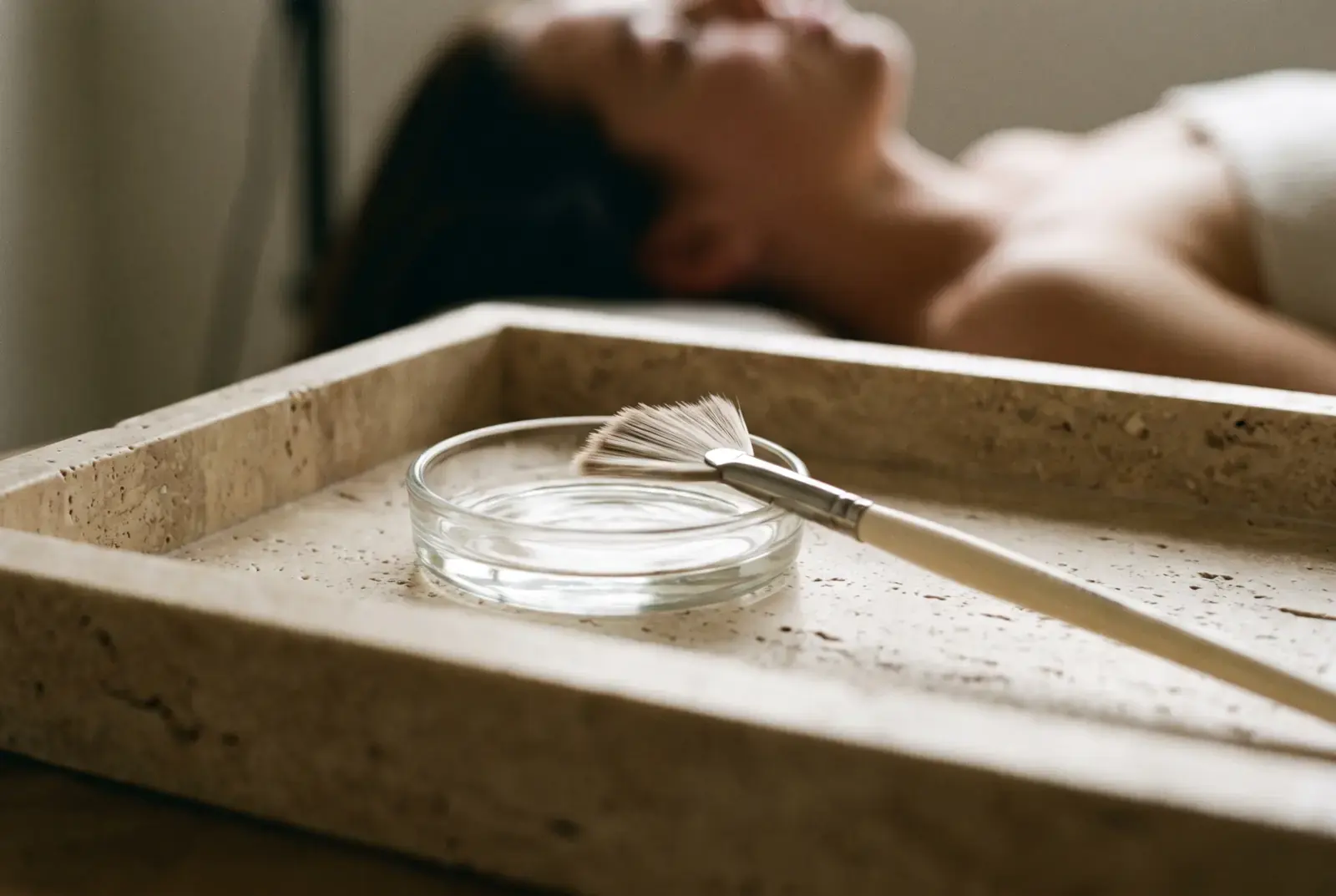
Chemical peels are one of the oldest treatments in dermatology and still one of the most effective, which is precisely why they are so widely offered in Dubai and so variably delivered. The same term covers everything from a gentle lunchtime glow treatment to a medical procedure requiring a week of recovery, and choosing the wrong one, or the wrong provider, is how peels earn their occasional bad reputation.
This guide explains how chemical peels at Shookra actually work, the real differences between superficial, medium and deep peels, what each can treat, and the questions that matter in Dubai specifically: which peels suit darker skin tones, and how to peel safely in a city with year-round intense sun.
What Is a Chemical Peel?
A chemical peel is a controlled exfoliation. A clinical-grade acid solution is applied to the skin to remove damaged outer layers at a precise depth, prompting the skin to regenerate fresher, more evenly pigmented and smoother tissue in their place. The depth of that controlled injury, superficial, medium or deep, determines what the peel can treat, how much downtime follows and who should perform it.
That word controlled is the entire craft. The acids themselves, including glycolic, salicylic, lactic, mandelic and trichloroacetic acid (TCA), are well understood. What separates a good outcome from a complication is the judgement applied: the right acid, at the right concentration, for the right skin, prepared and protected properly. This is why peels belong in medical hands rather than on a spa menu.
What Do Chemical Peels Treat?
Peels are versatile because they act on the skin's most visible problems at their source:
- Uneven skin tone and pigmentation, including sun damage and post-blemish marks, respond well because pigmented outer layers are removed and pigment-producing cells are calmed. Melasma needs particular care and the right peel choice, as aggressive treatment can make it worse.
- Acne and congestion improve with salicylic-based peels, which penetrate oil and clear blocked pores while reducing inflammation.
- Acne scars and texture can be softened with deeper peels that stimulate collagen remodelling, often alongside other treatments in our dermatology programmes.
- Fine lines and general dullness respond to the resurfacing and collagen stimulus that repeated or deeper peeling provides, restoring the light-reflective quality skin loses with sun exposure and age.
What peels do not treat is worth equal clarity: they will not lift sagging skin, remove deep scars in a single session or substitute for treatments that work at structural depth.
Superficial, Medium or Deep: What Is the Difference?
Superficial peels work within the outermost layer of skin, using milder acids such as glycolic, lactic, mandelic or low-strength salicylic. Expect mild tingling during treatment, little to no visible peeling afterwards and no real downtime. They brighten, refine texture and manage congestion, with results that build over a course of sessions. These are the peels you can have in a lunch break, and in expert hands they are far more effective than their gentleness suggests.
Medium-depth peels, typically TCA-based, reach into the upper dermis. They treat more established pigmentation, sun damage, fine lines and shallow acne scarring in fewer sessions, at the cost of real recovery: several days of visible peeling, redness and strict aftercare. The results are correspondingly more significant.
Deep peels are serious medical procedures reserved for advanced sun damage and scarring, involving sedation and weeks of recovery. They are performed rarely and only where the indication genuinely warrants them; for most concerns, modern practice achieves comparable results more safely by combining medium peels with technologies such as laser skin rejuvenation.
Are Chemical Peels Safe for Darker Skin Tones?
This question matters enormously in Dubai, where most skin we treat is Fitzpatrick type III to VI, and it is where inexpert peeling causes the most harm. Deeper skin tones carry a higher risk of post-inflammatory hyperpigmentation, meaning an overly aggressive peel can leave darker patches than it removed.
Handled properly, peels remain excellent treatments for darker skin. The approach changes: gentler acids such as mandelic and lactic are favoured, concentrations are built up gradually, skin is often prepared with pigment-regulating skincare for weeks beforehand, and medium peels are approached conservatively. This is a judgement built on experience with diverse skin, which is exactly what practising dermatology in Dubai provides, and it is one of the most important questions to ask any clinic before booking: how do you adapt peels for my skin type?
Do Dermatologists Recommend Chemical Peels?
Yes, widely. Peels have decades of clinical evidence and remain a core dermatological tool for pigmentation, acne and photoageing, precisely because they are effective, adaptable and economical compared with many device-based alternatives. At Shookra, peel treatments are designed under the oversight of Dr. Aishani Shah, our Specialist Dermatologist, whose clinical experience, eight years of it in Dubai, informs how each peel is matched to your skin, condition and season.
The dermatologist's caveat is about context, not the treatment: the peel must fit the diagnosis. Pigmentation that is actually melasma, acne that needs medical management, or scarring that requires resurfacing technology will disappoint if treated with the wrong peel. Assessment first is not a formality; it is what makes the treatment work.
Is Chemical Peeling Good for Your Skin?
Performed correctly and at sensible intervals, yes, which is why peels remain one of the most reliable skin rejuvenation treatments available. Peeling removes damaged cells the skin would shed too slowly on its own, stimulates fresh collagen, and improves how well skincare penetrates. Skin typically looks brighter, feels smoother and behaves better after a course.
The qualifier is frequency and depth. Over-peeling, whether too strong, too often or on compromised skin, damages the skin barrier and creates sensitivity, redness and rebound pigmentation. Skin needs time to complete its renewal cycle between sessions. A responsible clinic will sometimes tell you the best thing for your skin this month is no peel at all, particularly if your barrier needs repair first.
What Should You Expect Before, During and After?
A peel at our Business Bay clinic starts with an assessment appointment covering your skin, concerns, history and current skincare. Some clients, particularly with darker skin tones or pigmentation concerns, will be prepped with home skincare for two to four weeks before the first peel.
During treatment, the skin is cleansed and the solution applied for a set time. Superficial peels produce warmth and tingling; medium peels sting more noticeably for a few minutes and are managed with cooling. Afterwards, superficial peels may cause a day or two of mild flaking, while medium peels bring several days of visible peeling that must be allowed to shed naturally, never picked.
Aftercare in Dubai has one non-negotiable: sun protection. Freshly peeled skin is unusually vulnerable to UV, and unprotected sun exposure shortly after a peel is the fastest route to new pigmentation. Daily broad-spectrum SPF 50, shade discipline and scheduling deeper peels thoughtfully around the summer months are part of how we plan treatment here.
How Long Do Chemical Peel Results Last?
Results vary depending on the peel and on what happens afterwards. A course of superficial peels delivers improvement that is typically maintained with a session every four to eight weeks. Medium peel results, particularly for pigmentation and texture, commonly last months to a year or more. In every case, longevity is decided less by the peel than by sun protection and skincare afterwards: results maintained behind daily SPF last dramatically longer than results left exposed. Skin quality also reflects overall health, a theme explored in why skin is the biomarker you can see.
How Much Does a Chemical Peel Cost in Dubai?
Prices vary with the peel depth, the acids used, the practitioner's qualifications and whether preparation and review appointments are included. Superficial peels sit at the accessible end of aesthetic treatments; medium peels cost more, reflecting the expertise and follow-up they require. We confirm costs transparently at consultation once your treatment plan is agreed, and we would encourage caution about very cheap peels anywhere: with acids, the person applying them is what you are really paying for.
Why Have a Chemical Peel at Shookra?
Shookra is a DHA-licensed clinic in Business Bay where peels are chosen dermatologically: assessed against your skin and diagnosis, prepared properly, delivered by trained clinical staff and reviewed so the plan adjusts to how your skin responds. Peels here also sit within a broader toolkit, from skin boosters to laser and microneedling, so the recommendation you get is the right treatment, not simply the one on special this month.
If you are considering a chemical peel in Dubai, book a consultation and we will assess your skin honestly, including whether a peel is the right tool at all.
Frequently Asked Questions
How much does a chemical peel cost in Dubai?
Costs depend on peel depth, the products used, practitioner expertise and what is included around the peel itself, such as preparation skincare and reviews. Superficial peels are among the more accessible clinic treatments; medium peels cost more. Reputable clinics confirm exact pricing at consultation after assessing your skin.
Is chemical peeling good for the skin?
Performed at the right depth and frequency for your skin, yes. Peels remove damaged outer layers, stimulate collagen and improve tone and texture, with decades of dermatological evidence behind them. Over-peeling damages the skin barrier, so spacing, preparation and professional judgement are what keep the treatment beneficial.
How long do chemical peel results last?
Superficial peel results are maintained with sessions every four to eight weeks; medium peel improvements commonly last months to a year or more. Sun protection is the deciding factor in Dubai: daily SPF dramatically extends results, while unprotected exposure shortens them and risks new pigmentation.
Do dermatologists recommend chemical peels?
Yes. Peels remain a core dermatological treatment for pigmentation, acne, texture and sun damage because they are effective and adaptable across skin types when properly selected. The dermatological emphasis is on assessment first, so the peel matches the actual diagnosis and your skin type, including darker skin tones.
Are chemical peels safe for dark skin?
Yes, with the right approach. Darker skin tones have a higher risk of post-inflammatory pigmentation, so experienced practitioners favour gentler acids, gradual strength progression and preparatory skincare. Ask any clinic specifically how they adapt peels for your skin type; the quality of that answer tells you a great deal.
Want this for your own biology?
Speak with our team on WhatsApp — we’ll point you to the right protocol, or to a measurement first.