Hair8 min read
Hair Shedding: How Much Is Normal, and When to Pay Attention
How much hair shedding is normal, how to tell shedding from hair loss, why it spikes in Dubai, how long it lasts and when a scalp assessment is worth booking.
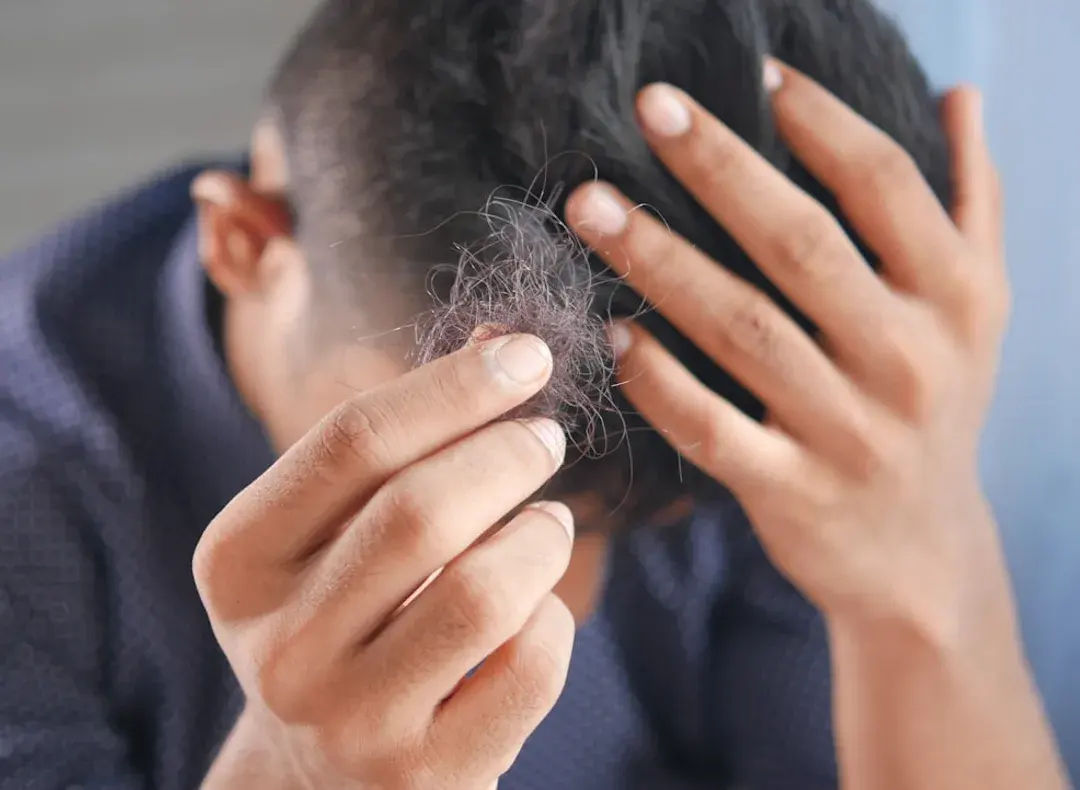
Almost everyone in Dubai has, at some point, stared at the shower drain and wondered whether this much hair is normal. Often the answer is reassuring: shedding is part of how hair grows, and the amount varies with the season, your wash routine and the length of your hair. Sometimes it is an early signal that something has shifted in the body, and the earlier it is investigated, the more options there are.
This guide explains what normal shedding looks like, how to tell temporary shedding from progressive hair loss, why it often spikes for people in the UAE, how long an episode lasts, and the signs that mean a proper scalp assessment is worth booking. Our hair loss treatment in Dubai starts with exactly that assessment, because a treatment matched to the wrong cause is effort wasted.
How much hair shedding is normal?
Losing between 50 and 100 hairs a day is considered normal for most adults, and up to around 150 on a wash day is still within the usual range. With roughly 100,000 hairs on your head, that is a fraction of one per cent, and it is replaced continuously by natural hair growth from healthy hair follicles. Shedding becomes a concern when it stays well above this for weeks, or when the hair that grows back is thinner or sparser than before.
Those numbers are averages, and the variation is wide. Long, thick hair leaves more visible strands on the pillow than a short cut, even at the same shedding rate, and washing every few days produces a larger clump on wash day because the hairs that would have fallen out in between come away together. What matters is the trend over time, not the count on a single bad morning.
Why does hair shed at all?
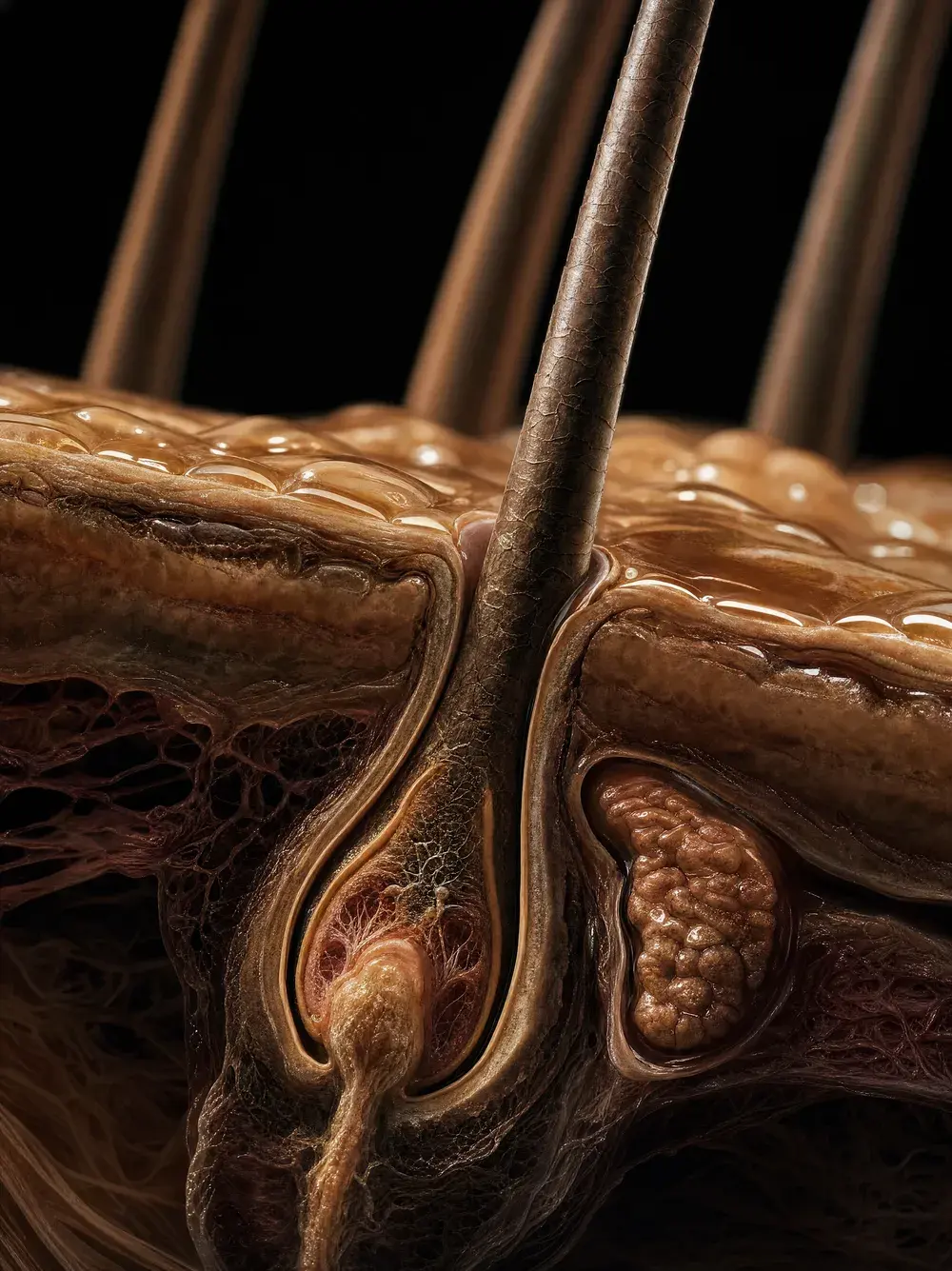
Every hair follicle on your head is cycling through the same four phases of hair growth, just not at the same time, and the cycle explains why shedding rises and falls:
- Anagen (growth). The follicle actively produces hair for between two and seven years. Around 85 to 90 per cent of scalp hairs are in this phase at any moment.
- Catagen (transition). Growth stops and the follicle shrinks over two to three weeks.
- Telogen (rest). The hair sits in the follicle, no longer growing, for around three months. Roughly 10 to 15 per cent of hairs are resting at any time.
- Exogen (shedding). The resting hair is released, often nudged out by a new hair growing beneath it, and the cycle begins again.
Daily shedding is simply the exogen phase happening across thousands of follicles at once, with new growth replacing what is lost. Problems arise in two ways: either an unusually large number of hair follicles are pushed into telogen together, producing a wave of shedding a few months later, or follicles gradually produce finer, shorter hairs with each cycle, producing slow thinning.
Is shedding 200 hairs a day normal?
Two hundred hairs a day is above the usual range, but not automatically a problem. A heavy wash day, a change of season, or the weeks after a fever, illness or stressful period can all push the count up temporarily. What separates a normal fluctuation from something worth investigating is duration and pattern: shedding that stays at this level for more than six to eight weeks, or comes with visible thinning, deserves a proper look.
Counting hairs in the drain is unreliable and anxiety-inducing. If you want an objective measure, a sixty-second hair count, combing forward over a towel each morning for a week and noting the numbers, gives a trend you can bring to a consultation.
How do I tell if I am losing too much hair?
The clearest signs that shedding has crossed into hair loss are changes you can see rather than counts you can make: a ponytail that feels thinner, a parting that looks wider, more scalp visible at the crown under bright light, receding temples, or hair that is shorter and finer at the front and top than it used to be.
It helps to know the two broad patterns a dermatologist distinguishes:
- Shedding (telogen effluvium). A sudden, diffuse increase in hair fall across the whole scalp, typically starting two to four months after a trigger. The hairs often have a small white bulb at the root, which is a normal resting hair, not damage. Density usually recovers once the trigger has passed, because the hair follicles are intact.
- Progressive thinning (androgenetic alopecia). A gradual loss of density in a pattern, most often the crown and temples in men and a widening parting in women, driven by genetics and hormone sensitivity in the follicle. Daily shedding may be normal, but each regrown hair is finer and shorter than the last, so the loss is in calibre rather than count.
The two frequently coexist. A stretch of heavy shedding often reveals thinning that had been building quietly underneath, which is one reason a sudden episode is worth assessing rather than waiting out.
Why does shedding spike for people living in Dubai?
Some triggers are universal, but a surprising number are amplified by life in the UAE. Telogen effluvium does not start when the trigger happens; the shedding appears two to four months later, by which time the cause has often been forgotten.
- Illness and fever. Any significant illness, including viral infections, can push follicles into rest, with shedding arriving a few months after recovery.
- Stress and relocation. Moving country, a demanding job and disrupted sleep are common in Dubai's expat population, and sustained stress is a well-documented trigger, for hair as for wider health.
- Rapid weight change and crash dieting. Very low-calorie diets and sudden weight loss deprive follicles of the energy and protein they need. Diffuse shedding is a recognised and usually temporary effect of losing weight quickly, including under medical weight-loss programmes.
- Nutritional deficiencies. Low iron stores (ferritin), vitamin D deficiency, low zinc and low B12 are all associated with shedding. Vitamin D deficiency is remarkably common in the UAE despite the sunshine, because so much of life is spent indoors under air conditioning and sunscreen.
- Hormonal shifts. Childbirth, stopping or changing hormonal contraception, perimenopause and thyroid disorders all alter the hair cycle. Thyroid dysfunction in particular can present with shedding before any other symptom.
- Seasonal shedding. Studies suggest more hairs enter the resting phase in late summer, with shedding peaking in autumn. In Dubai, where summer is long and heat and sweat add scalp stress, many people notice a distinct rise from September to November.
- Medications and hair practices. Some blood-pressure medicines, mood stabilisers, retinoids and anticoagulants list shedding as a side effect; never stop a prescribed medicine over hair fall without speaking to your doctor. Tight styles, chemical straightening and heat tools cause breakage rather than true shedding, but the effect in the brush looks the same.
How long does hair shedding last?
An episode of telogen effluvium typically lasts three to six months once shedding begins, and hair density usually recovers over the following six to twelve months as the follicles return to the growth phase. Because the shedding starts two to four months after the trigger, the whole cycle from cause to recovery can take the better part of a year. Shedding that persists beyond six months is described as chronic and warrants investigation for an ongoing cause.
Recovery is slower than people hope, because hair grows at roughly one centimetre a month, and new growth shows first as short, fine hairs along the hairline and parting. If regrowth does not follow the shedding, or the regrown hair is noticeably finer, pattern-type thinning should be ruled in or out.
When should you see a doctor about hair shedding?
Most shedding settles on its own, but some patterns should be assessed rather than watched. Book a scalp assessment if you notice any of the following:
- Shedding well above normal for more than six to eight weeks, or continuing for six months
- A visibly wider parting, thinner ponytail, receding temples or more scalp showing at the crown
- Hair coming out in patches, or loss of eyebrow, eyelash or body hair
- Scalp symptoms alongside the shedding: itching, scaling, redness, pain or pustules
- Other symptoms at the same time, such as fatigue, unexplained weight change, feeling cold, irregular periods or nail changes
- Hair loss beginning after a new medication, or a strong family history of pattern hair loss
Patchy loss, scarring and scalp inflammation are the ones not to wait on. Some forms of hair loss are inflammatory and can permanently damage follicles if left untreated, and they are far easier to control early. This article can help you recognise the signs, but it cannot tell you what is causing them; only an examination can.
What a diagnosis-first hair assessment looks like
Hair loss is a symptom, not a diagnosis. The same drain full of hair can have half a dozen causes, each calling for a different response, which is why Shookra starts with assessment rather than a treatment menu. At our Business Bay clinic, a hair consultation with our Specialist Dermatologist, Dr. Aishani Shah, who has over twelve years of experience treating skin and hair conditions, or our hair restoration physician, Dr. Amar Helali, typically involves:
- History. When the shedding began, what happened three to four months before it, medications, diet, recent illness, family history and hormonal changes.
- Scalp examination. A pull test, a check for pattern, inflammation, scaling or scarring, and trichoscopy, which uses magnification to see hair shaft calibre and follicle openings invisible to the naked eye.
- Blood tests where indicated. Ferritin, full blood count, thyroid function, vitamin D, B12 and zinc, and hormonal markers where the history points to them, as part of our broader diagnostics and screening approach: measure first, then act.
- A plan matched to the cause. For a deficiency, correcting it is the treatment. For a hormonal or thyroid cause, that is addressed first. For pattern thinning, regenerative options such as PRP therapy for hair or microneedling for hair may be considered, with realistic expectations about what the evidence supports. Our article on what the evidence says about PRP for hair sets that out honestly.
- Review. Density and shedding are reassessed at intervals, and the plan is adjusted to what is actually changing.
Treatment for hair loss is rarely quick, and no honest clinic promises regrowth. What a diagnosis-first approach offers is confidence that you are treating the right thing, and a measurable way of knowing whether it is working.
What you can do in the meantime
If your shedding is mild and recent, sensible hair care matters: handle hair gently, eat enough protein to support healthy growth, and do not start high-dose supplements without a blood test, since excess of some nutrients, including vitamin A and selenium, can itself cause shedding. Note the date shedding started and what was happening a few months earlier; it is the most useful thing you can bring to a consultation.
Frequently asked questions
Is shedding 200 hairs a day normal?
It is above the usual range, but short spikes after illness, stress, a change of season or a heavy wash day are common and usually settle. Shedding that stays at this level for more than six to eight weeks, or comes with a thinner ponytail or wider parting, is worth assessing.
Is it normal to lose hair when I run my fingers through it?
Yes. A few hairs releasing with gentle handling is normal, because they were already in the shedding phase. Dermatologists formalise this as a pull test: around 50 to 60 hairs are drawn gently from the root, and if more than about 10 per cent come away, active shedding is likely and worth assessing.
How long does hair shedding last?
An episode of telogen effluvium typically lasts three to six months, starting two to four months after the trigger, with density recovering over the following six to twelve months. Shedding that continues beyond six months is considered chronic and should be investigated for an ongoing cause such as a deficiency or thyroid change.
Can hair shedding be reversed?
Shedding caused by a temporary trigger usually recovers on its own once the cause has passed, because the follicles are intact. Shedding driven by a deficiency, thyroid change or medication typically improves when that cause is addressed. Pattern thinning is managed rather than reversed, and earlier treatment generally preserves more.
Worried about hair shedding in Dubai?
Most shedding is temporary, and understanding the hair cycle takes much of the fear out of it. But hair fall that persists, comes with thinning or affects the scalp itself deserves an answer rather than another month of watching the drain. At Shookra in Business Bay, a hair assessment identifies the cause first, and only then matches a plan to it.
If you would like a clear view of what is driving your shedding and whether it needs treatment, book a consultation with our dermatology and hair restoration team. We will tell you honestly whether it is likely to settle on its own, and what may help if it is not.
Want this for your own biology?
Speak with our team on WhatsApp — we’ll point you to the right protocol, or to a measurement first.