Skin & Dermatology8 min read
Dark Underarms: What Causes Them and What Can Actually Help
Why underarm skin darkens, from shaving and friction to insulin resistance, which home habits help, what to avoid, and how a dermatologist treats the cause.
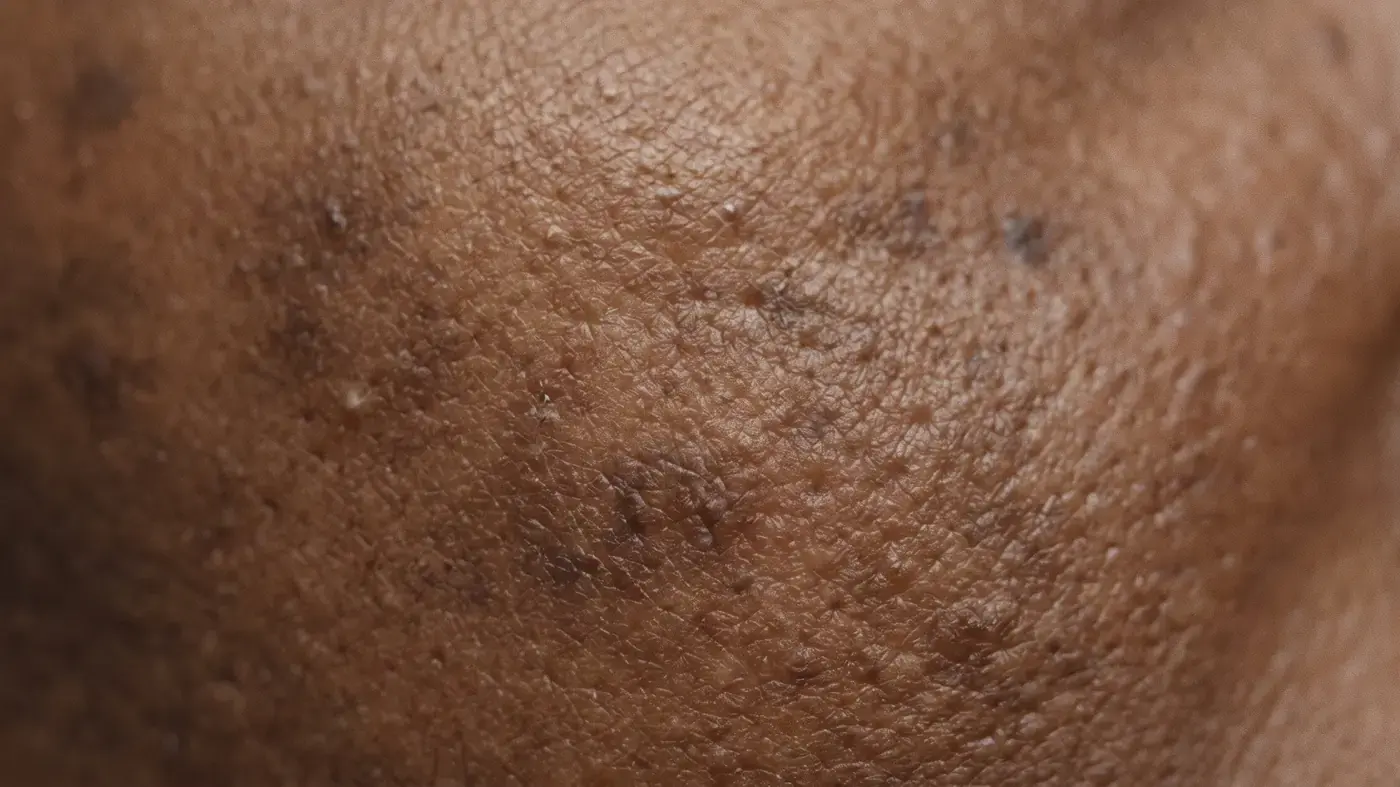
Darker skin in the underarms is very common, and for many people it is simply a normal part of how their skin looks. Skin in body folds is often a shade or two darker than elsewhere, particularly in medium and darker skin tones. When the darkness is new, getting worse or bothering you, though, there is usually a cause behind it, and finding that cause is more useful than looking for a quick fix.
This guide explains the common reasons underarms darken, the habits that help and the ones that can make it worse, and how a dermatologist approaches treatment. Shookra does not offer skin whitening. We treat pigmentation as a medical concern by identifying what is driving it, as our hyperpigmentation page explains.
Why do underarms get darker?
Most dark underarms come from one, or a combination, of these causes:
- Friction. Skin rubbing against skin and tight clothing causes low-level irritation, and irritated skin can respond by making more pigment.
- Shaving and hair removal. Frequent shaving, plucking and waxing irritate the skin and can cause ingrown hairs. Each episode of inflammation can leave a dark mark behind.
- Hair shadow. Dark hair regrowing just under the surface of pale skin can make the area look grey or dark even when the skin itself is not pigmented.
- Deodorants and antiperspirants. Fragranced products and some ingredients can cause irritation or an allergic skin reaction, which in turn can lead to darkening.
- Build-up of dead skin, which can make the area look dull and darker.
- Post-inflammatory hyperpigmentation. Any rash, eczema or infection in the area can leave darker skin behind as it heals, especially in medium and darker skin tones.
When dark underarms are a sign of something else
Sometimes underarm darkening points to a condition elsewhere in the body, and this is worth knowing about:
- Acanthosis nigricans. Darker, thicker skin with a velvety feel, usually in the armpits, at the back and sides of the neck or in the groin. It is most often linked to insulin resistance, where the body needs more insulin than usual to control blood sugar, and is common with higher body weight, prediabetes, type 2 diabetes and polycystic ovary syndrome (PCOS). Some medicines can also cause it.
- Erythrasma. A mild bacterial skin infection that causes reddish-brown, slightly scaly patches in skin folds. It is easily mistaken for pigmentation and is treated differently.
- Fungal infection, which can cause itchy, scaly or discoloured patches in warm, moist areas.
Acanthosis nigricans matters because the skin change is a visible clue to a metabolic problem that can be checked with a blood test. Improving insulin sensitivity, through activity, diet and weight change where relevant, and treating any underlying condition, often helps the darkening fade gradually over months. Creams alone tend to have a limited effect while the cause is still active.
Why it can be worse in Dubai
Heat, humidity and sweat increase friction and keep underarm skin moist, which encourages irritation and the bacterial and fungal infections that can discolour skin. Daily shaving to stay fresh in the heat adds to the irritation, and many people apply deodorant several times a day. None of these is a reason to stop washing or using deodorant, but small changes to the routine can reduce how often the skin is inflamed.
What helps at home
- Change how you remove hair. A trimmer that leaves a little stubble irritates the skin less than a close shave. If you shave, use a sharp razor, a shaving gel and shave in the direction of growth.
- Choose a fragrance-free deodorant, and stop using any product that stings, itches or leaves the skin red.
- Wear loose, breathable clothing, especially when exercising, and change out of sweaty clothes promptly.
- Exfoliate gently, not aggressively. A soft washcloth or a mild product containing lactic or glycolic acid a few times a week can help with dull, rough skin. Stop if the skin becomes irritated.
- Keep the area clean and dry, and moisturise if the skin is dry.
- Be patient. Pigment from irritation usually fades slowly over several months once the trigger stops.
What to avoid
Many home remedies and unregulated products can make dark underarms worse rather than better:
- Harsh scrubbing, baking soda and lemon juice, which irritate the skin and can deepen pigmentation.
- Bleaching products and skin-lightening creams bought online or from unregulated sellers. Some have been found to contain mercury or strong steroid medicines. Steroids can thin the skin and cause stretch marks, especially in skin folds, which absorb more of a cream, and mercury can harm the kidneys and nerves.
- Strong prescription creams used without medical supervision, which can cause irritation or uneven patches.
How a dermatologist treats dark underarms
Treatment starts with working out the cause. A dermatologist will look at the skin, ask about your hair removal routine, products and health, and may examine the area under a special light or take a skin scraping to rule out infection. If acanthosis nigricans is suspected, blood tests for blood sugar and insulin resistance are usually the next step.
Depending on the cause, options may include:
- Treating infection, with antibacterial or antifungal creams or tablets where erythrasma or a fungal rash is found.
- Prescription skincare that reduces pigment production and encourages skin renewal, used for a defined period under supervision.
- Chemical peels, using gentle acids in a series of sessions to improve tone and texture.
- Laser treatments, used cautiously and with conservative settings, because underarm skin, particularly in darker skin tones, can react to heat by darkening further.
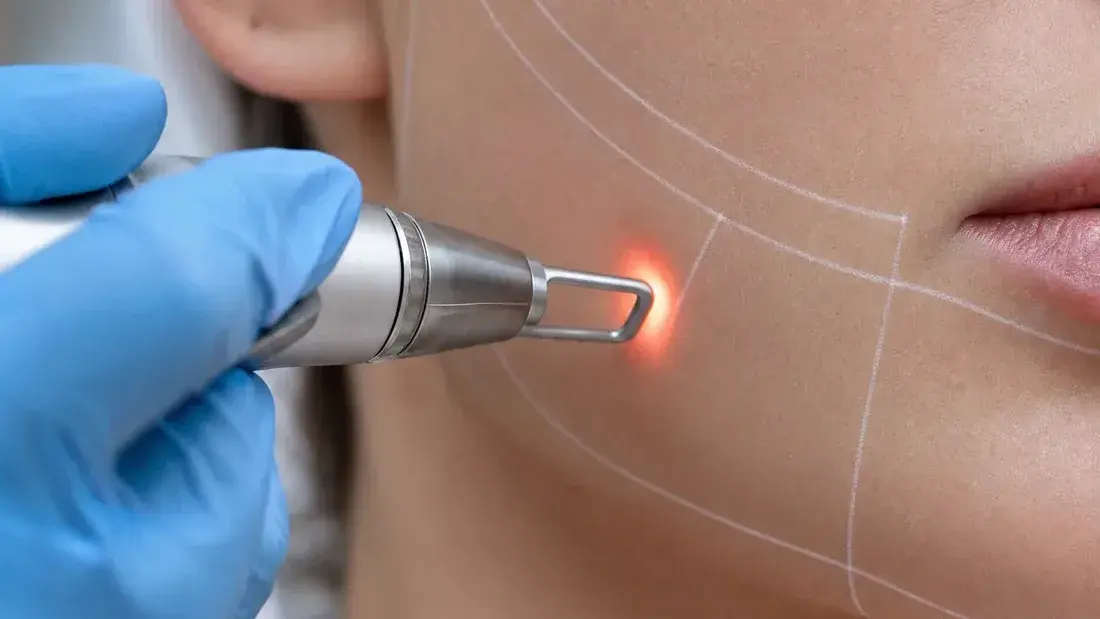
- Laser hair removal, which reduces the need to shave, so there is less irritation, fewer ingrown hairs and less visible hair shadow. Results vary with skin type, hair colour and the number of sessions.
Results take time, usually several months, and pigment can return if the original trigger continues. The aim is healthier, more even skin, not a change to your natural skin tone.
When to see a doctor
Book an appointment if:
- The skin is velvety and thickened, or similar patches appear on the neck or groin
- The area is itchy, scaly, sore or has a clear edge, which can point to an infection or a rash
- The darkening appeared suddenly or is spreading
- You also have signs such as irregular periods, excess hair growth, increased thirst or tiredness
See a doctor promptly if acanthosis nigricans appears suddenly and spreads quickly, particularly in an adult who is not overweight or who is losing weight without trying. This is uncommon, but it can occasionally be linked to an internal illness that needs investigation, particularly if it also affects the palms or the inside of the mouth, or is itchy. Darkening of skin creases together with tiredness, weight loss or dizziness should also be checked, as it can rarely point to an adrenal condition.
Frequently asked questions
Is it normal for underarms to be darker than the rest of the body?
Yes. Skin in body folds is often naturally a little darker, especially in medium and darker skin tones. It only needs attention if it is changing, causing symptoms or bothering you.
Can deodorant cause dark underarms?
It can contribute. Fragrance and some other ingredients can irritate the skin or cause an allergic reaction, and repeated irritation can lead to darkening. Switching to a fragrance-free product is a simple first step.
Does laser hair removal lighten underarms?
It does not change your skin tone, but it can make underarms look more even by removing the shadow of dark hair under the skin and by reducing the irritation from shaving that drives pigmentation.
How long does it take for dark underarms to fade?
Pigment from irritation usually fades over several months once the trigger stops, and in darker skin it can take a year or more. Darkening linked to insulin resistance improves as the underlying cause is treated, which can take longer still.
Finding the cause
Dark underarms are common, and most causes are harmless and manageable. The most useful step is finding out why your skin has darkened, because the right approach for shaving irritation is very different from the right approach for an infection or for insulin resistance.
If dark underarms are bothering you, book a consultation at Shookra in Dubai. A dermatologist can identify the cause and explain which options suit your skin.
Want this for your own biology?
Speak with our team on WhatsApp — we’ll point you to the right protocol, or to a measurement first.