Skin & Dermatology8 min read
Ingrown Hairs and Razor Bumps: Why They Happen and How to Prevent Them
Why ingrown hairs and razor bumps form, how to shave to prevent them, what to do with one you already have, and when a dermatologist or laser can help.
Ingrown hairs are one of the most common skin complaints linked to hair removal. In Dubai, where daily shaving, threading and waxing are part of many routines, and heat and sweat add friction, they can be a near-constant problem for some people. They are rarely serious, but they can be itchy, sore and unsightly, and in medium and darker skin they often leave dark marks that last longer than the bump itself.
This guide explains why ingrown hairs and razor bumps happen, how to change your routine to prevent them, what to do about one you already have, and when it is worth seeing a dermatologist or considering laser hair removal.
What is an ingrown hair?
An ingrown hair is a hair that grows back into the skin instead of up and out of it. Sometimes the cut tip curls round and re-enters the skin. Sometimes the hair never escapes the follicle and grows sideways beneath the surface. The body treats the trapped hair as something foreign, and the skin around it becomes inflamed.
Razor bumps are the same process happening across a whole area. When it affects the beard, the medical name is pseudofolliculitis barbae, but it can happen anywhere hair is shaved, including the neck, underarms, legs and bikini area.
What do ingrown hairs look like?
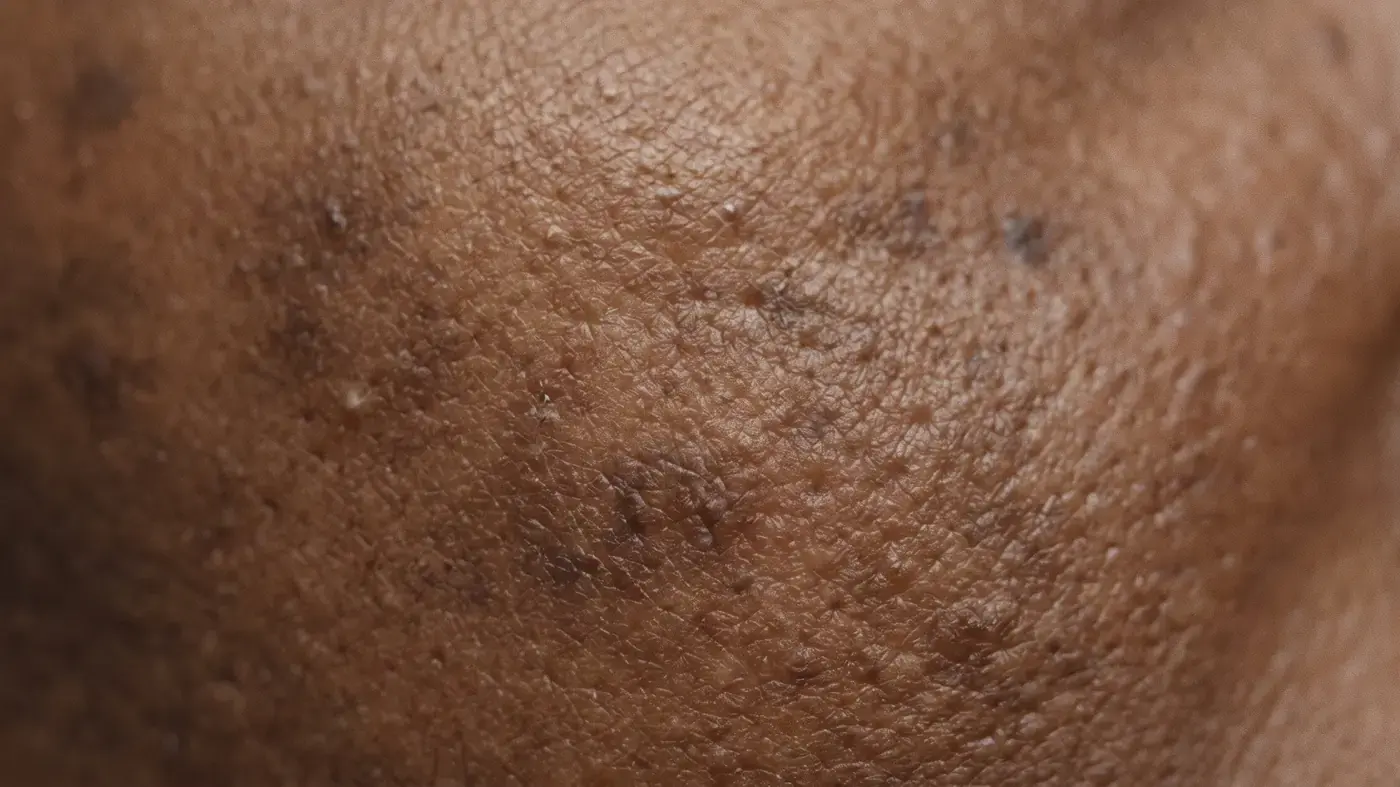
- Small, raised red or skin-coloured bumps, often in clusters where you shave
- Bumps with a small amount of pus at the centre
- A hair visible as a dark line or loop just under the skin
- Itching, tenderness or a burning feeling after hair removal
- Dark marks where earlier bumps have healed, particularly in medium and darker skin tones
Ingrown hairs can look like acne or a bacterial infection of the hair follicles, called folliculitis. Bumps that are large, very painful, spreading or not settling are worth having checked.
Why do ingrown hairs happen?
Hair shape is the biggest factor. Curly or tightly coiled hair is much more likely to bend back into the skin, which is why razor bumps are particularly common in people with tightly curled beard hair who shave closely, and in anyone with coarse, curly hair in the bikini or underarm area. Hair removal habits then add to the problem:
- Shaving too close. Multi-blade razors and stretching the skin while shaving cut the hair below the surface, so the sharp tip can grow straight back in.
- Shaving against the direction of growth, which gives a closer result but makes ingrown hairs more likely.
- Blunt or dirty blades, which drag and irritate the skin.
- Dry shaving, without softening the hair first.
- Waxing, plucking and threading, which can distort the follicle and leave a fine regrowing hair that struggles to break through the surface.
- Friction and sweat. Tight clothing, gym kit and heat rub against freshly shaved skin.
- A build-up of dead skin, which can trap a hair beneath the surface.
How to prevent ingrown hairs and razor bumps
The most reliable option is to stop removing hair from the affected area, which is why growing a beard often settles razor bumps in men. When that is not practical, the way you remove hair makes a real difference:
- Soften the hair first. Shave after a warm shower, or hold a warm, damp cloth on the area for a few minutes.
- Use a shaving gel or cream, and avoid dry shaving.
- Shave in the direction the hair grows, with light strokes and without pulling the skin taut.
- Use a sharp razor with one or two blades, rinse it after every stroke and replace it regularly.
- Consider electric clippers or a trimmer that leaves short stubble. Leaving even a millimetre of hair makes it less likely to curl back in.
- Exfoliate gently a few times a week, with a washcloth or a leave-on product containing glycolic or salicylic acid, so dead skin does not trap hairs. Avoid harsh scrubs on irritated skin.
- Wear loose clothing over freshly shaved areas, and shower soon after exercise.
- Moisturise after shaving with a fragrance-free product.
What to do about an ingrown hair you already have
- Stop shaving or waxing the area for a few days, or longer if you can, to let it settle.
- Apply a warm compress for a few minutes, two or three times a day, to soften the skin and help the hair come to the surface.
- Exfoliate gently once the skin has calmed down.
- If the tip of the hair is visible at the surface, it can be gently lifted out with clean tweezers, without pulling the hair out completely. Do not dig under the skin for a hair you cannot see; leave anything deeper to a doctor.
- Do not squeeze or pick. This pushes inflammation deeper, raises the risk of infection and makes dark marks and scarring more likely.
When to see a doctor
See a doctor or dermatologist if:
- Bumps become very painful, hot, swollen or full of pus, or you develop a fever, which can be signs of infection
- Razor bumps keep coming back despite changing your routine
- You are left with dark marks or scarring
- You notice firm, raised scars that keep growing, called keloids, particularly on the jawline or neck
- You get recurring painful lumps in the armpits or groin, which can be a long-term inflammatory skin condition called hidradenitis suppurativa rather than ingrown hairs
- You have diabetes or a weakened immune system and a bump looks infected, as infections can be more serious
- You are a woman with new coarse hair on the face, chest or abdomen, which can be a sign of a hormonal condition such as PCOS
Treatments a dermatologist may suggest
If ingrown hairs are persistent, a doctor may recommend:
- Prescription creams, such as a topical retinoid to reduce the build-up of dead skin (not used in pregnancy), or a short course of a mild steroid cream to calm inflammation.
- Antibiotics, applied to the skin or taken by mouth, if there is infection.
- Chemical peels, which use acids such as glycolic or salicylic acid to keep follicles clear and help fade marks.
- Treatment for the dark marks left behind, which can otherwise take months to fade.
- Laser hair removal, which reduces the number and thickness of hairs in the treated area, so there are fewer hairs to grow back into the skin.
Can laser hair removal help with ingrown hairs?
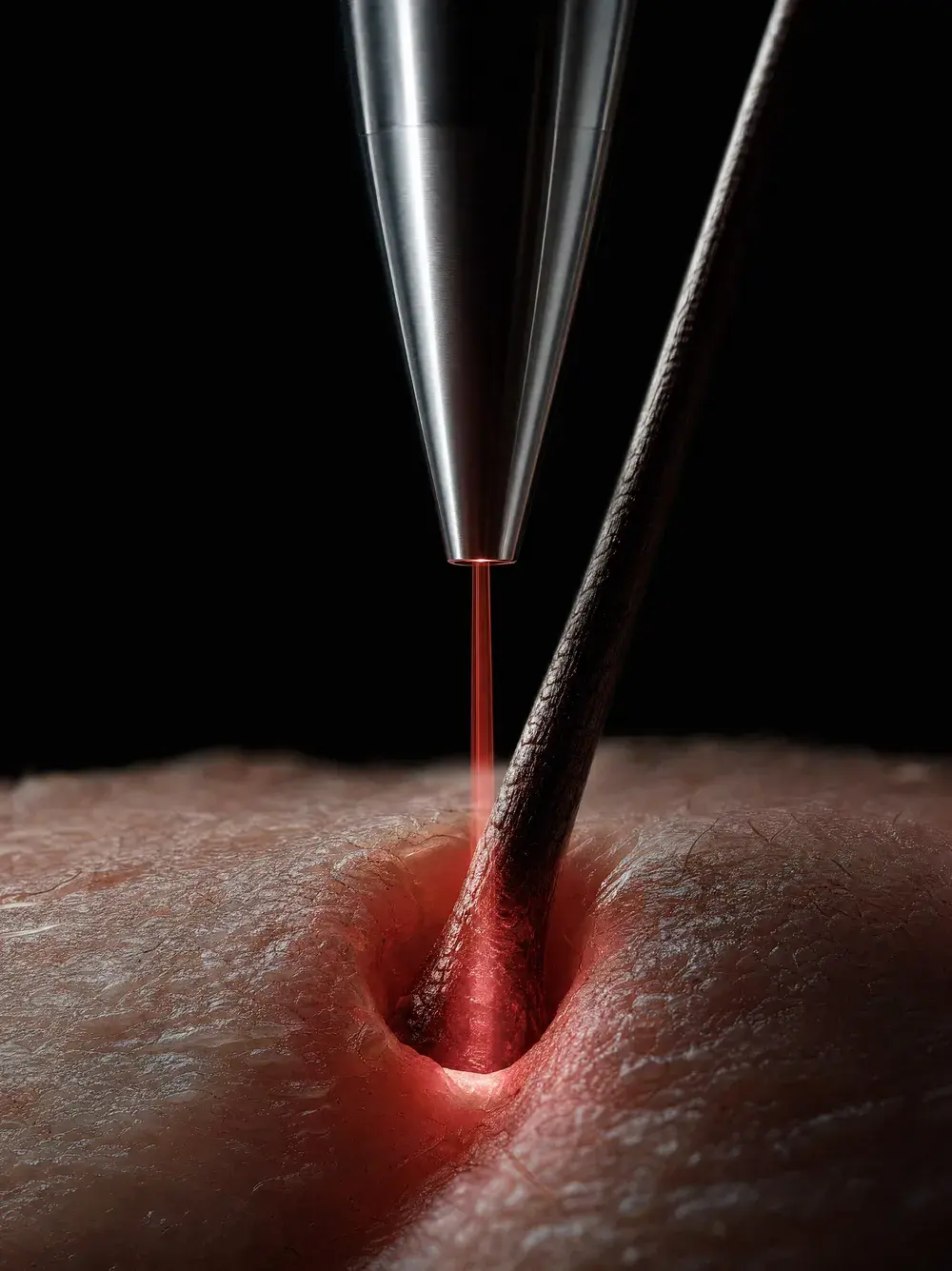
For people who get ingrown hairs again and again, laser hair removal is often worth considering because it deals with the hair itself. The laser targets the pigment in the hair follicle and reduces its ability to regrow, so hairs tend to come back finer and fewer. Studies in men with razor bumps on the beard have reported fewer bumps after a course of treatment.
Laser hair removal reduces hair, and results vary with skin and hair type. Several sessions are needed, a few weeks apart, because hair grows in cycles, and occasional maintenance sessions are common. It works best on dark hair; very fair, grey or red hair responds poorly.
Skin tone matters for safety. Longer-wavelength lasers, such as the 1064 nm Nd:YAG, are generally preferred for darker skin because they are less absorbed by the pigment in the skin's surface, and settings are adjusted to each person. Possible side effects include redness, swelling, blistering, burns and changes in skin colour, and in a small number of people, particularly on the face and neck, laser can stimulate extra hair growth. Laser is not used on skin that is actively inflamed or infected, so the skin sometimes needs calming first. Our guide to laser hair removal side effects explains what to expect.
Frequently asked questions
Are razor bumps the same as razor burn?
No. Razor burn is irritation of the skin surface that appears within minutes to hours of shaving and usually settles in a day or two. Razor bumps appear a day or more later, as hairs regrow and turn back into the skin.
Why do I get ingrown hairs on my bikini line and underarms?
Hair in these areas is often coarse and curly, the skin folds and rubs, and sweat and tight clothing add friction. Shaving or waxing these areas is one of the most common causes of ingrown hairs in women.
Is waxing better than shaving for ingrown hairs?
Not necessarily. Waxing keeps skin smooth for longer, but it can distort the follicle and leave fine regrowing hairs that get trapped. People who get ingrown hairs from both methods often do better with trimming or laser hair removal.
Can ingrown hairs leave scars?
They can, particularly if they are picked or repeatedly inflamed. Dark marks are the most common result in medium and darker skin and usually fade over months. Raised scars and keloids are less common and need medical treatment.
Getting help with ingrown hairs
Ingrown hairs and razor bumps are common and usually manageable with changes to how you remove hair. When they keep coming back, leave marks or affect your confidence, a dermatologist can help find the cause and the right plan.
Book a consultation at Shookra in Dubai to talk through the options, from skincare and peels to laser hair removal.
Want this for your own biology?
Speak with our team on WhatsApp — we’ll point you to the right protocol, or to a measurement first.