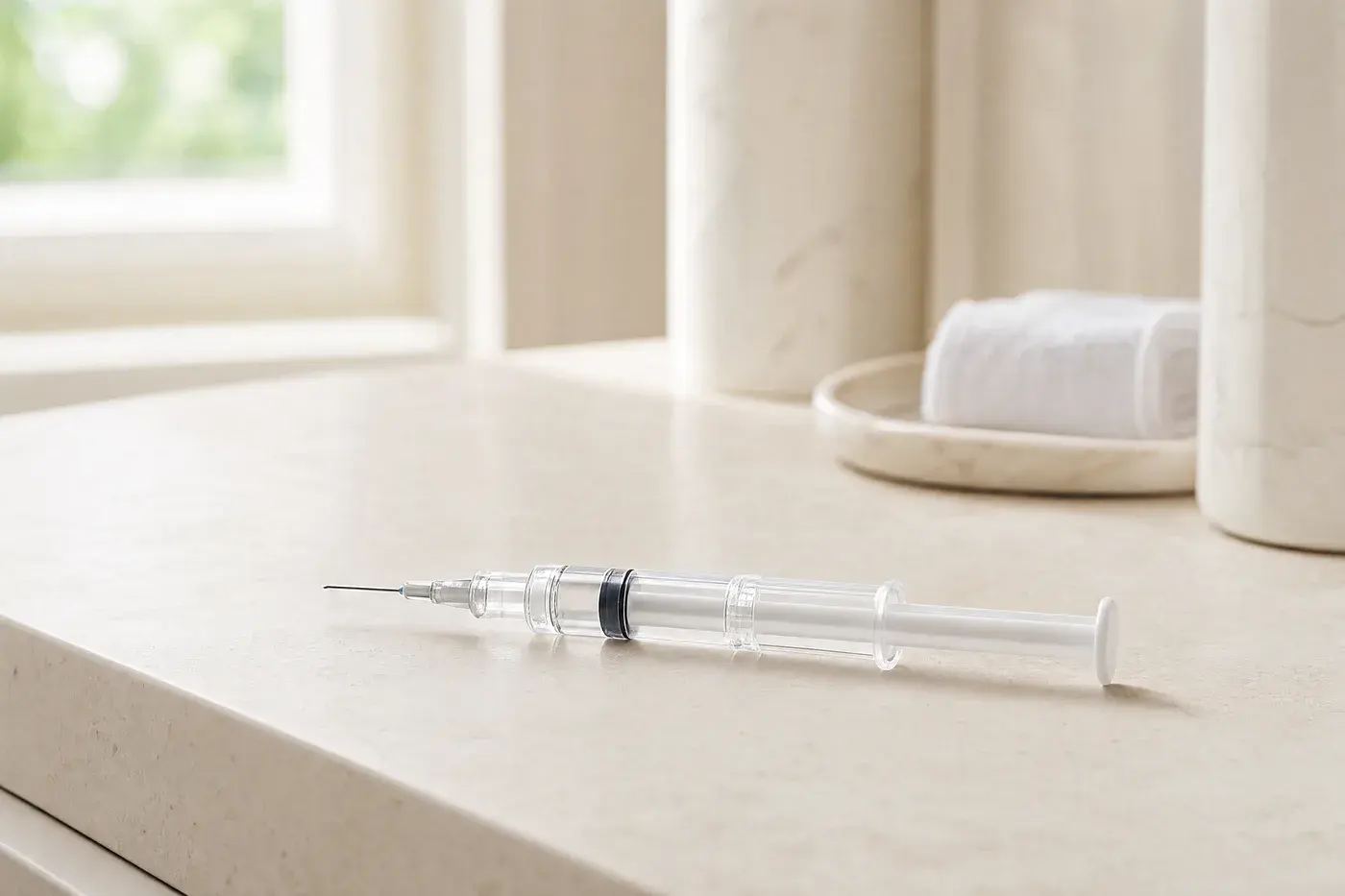
Skin & Dermatology9 min read
Under-Eye Filler: Who It Suits, What It Can't Fix and How Long It Lasts
A doctor-led guide to tear trough filler: what causes hollow under-eyes, who suits it, when it is the wrong answer, the risks and how long results last.
Tired-looking eyes are a common reason people book an aesthetic consultation. Friends ask if you slept badly when you slept fine. Concealer settles into a groove that was not there five years ago. Under-eye filler, also called tear trough filler, is often the first treatment people read about.
It can work well for the right person, and it is also an area where results depend heavily on choosing the right patient. The under-eye is thin, delicate and close to important blood vessels, and many of the things that make eyes look tired are not something filler can correct. This guide explains what under-eye filler does, who it suits, when a different approach is the better choice, and what to expect from treatment. For the wider picture of how hyaluronic acid filler is used across the face, see our dermal fillers treatment page.
What is under-eye filler?
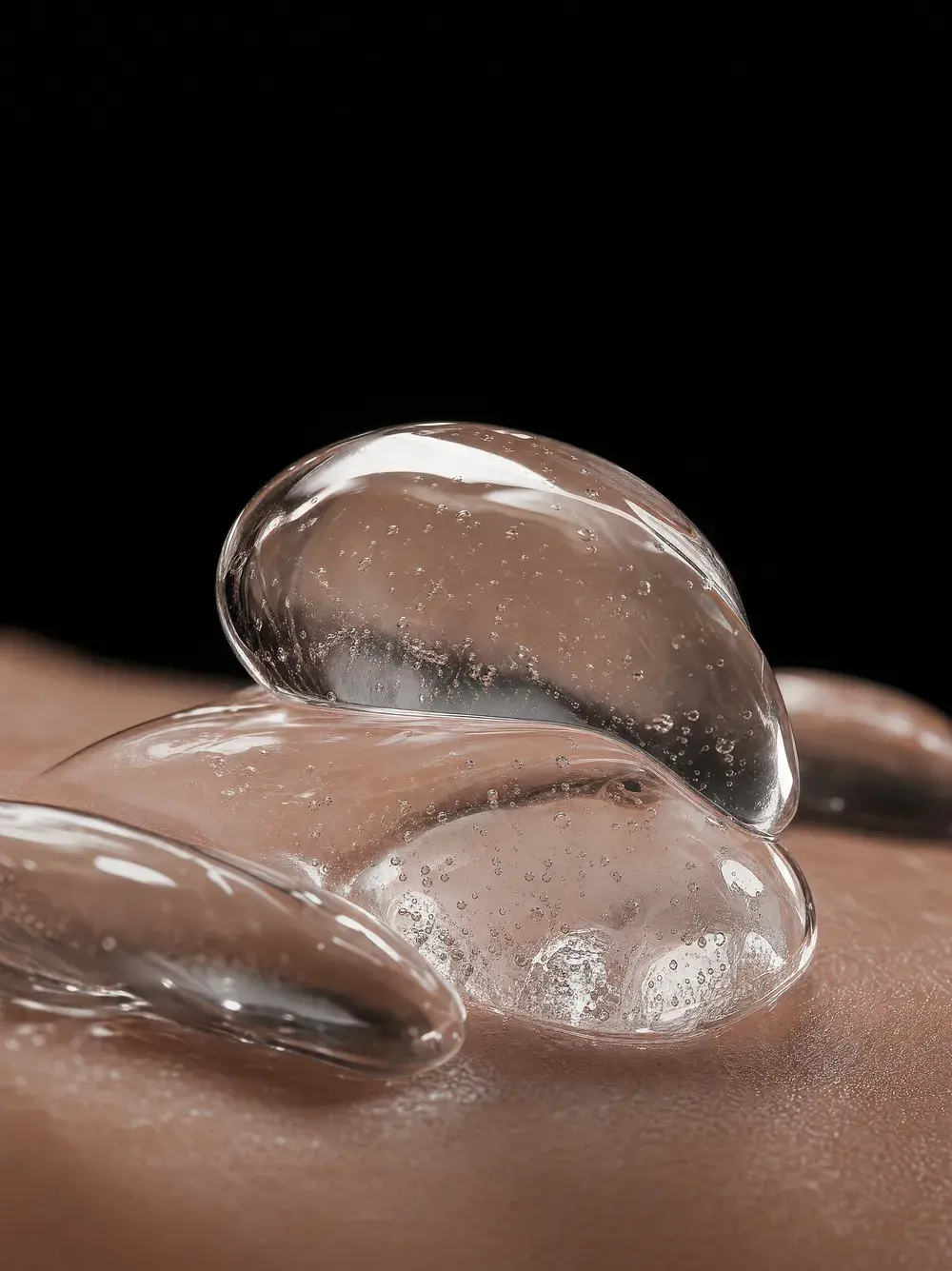
Under-eye filler is a small amount of soft hyaluronic acid gel placed beneath the eye to soften a hollow or groove. Hyaluronic acid is a sugar molecule the body already makes, and it holds water, which is why it gives a soft, natural-feeling support rather than a firm implant.
The groove it treats is called the tear trough. It runs from the inner corner of the eye down and outwards towards the cheek. When volume is lost along it, the edge casts a shadow, and that shadow reads as tiredness. Filler aims to smooth the step between the lower eyelid and the cheek so that less shadow forms.
Because the skin here is so thin, the products used are usually softer and more spreadable than those used in the cheeks or jawline, the amounts are small, and the gel is generally placed deep, close to the bone, rather than just under the skin.
Why do the under-eyes look hollow?
Hollow or sunken eyes usually come from a combination of causes rather than a single one:
- Genetics. Some people have a deep tear trough from their twenties because of the shape of their bone and fat pads.
- Volume loss with age. The fat pads around the eye and the cheek gradually thin and shift, and the bone around the eye socket slowly changes shape.
- Thinning skin. Collagen in the lower eyelid declines, so the skin becomes thinner and shows the structures beneath it more clearly.
- Weight loss. Losing a significant amount of weight can thin the fat under the eyes along with fat elsewhere.
Lifestyle factors such as poor sleep, dehydration and allergies do not create a tear trough, but they can make an existing one look deeper on a given day.
Will filler get rid of dark circles?
Only if the darkness is a shadow. Dark circles have several different causes, and filler addresses just one of them. Pigmentation, where the skin itself is browner, is more common in darker skin types and is treated with skincare, peels or laser rather than filler. Visible blood vessels under thin skin give a blue or purple tinge that filler does not treat, and in thin skin filler can add a bluish tint of its own. Puffiness and bags are a separate problem again. Our guide to dark circles under the eyes explains how to tell these types apart.
A simple check is to look in a mirror under an overhead light and then tilt your face up towards the light. If the darkness fades noticeably as the light fills the hollow, shadow is a large part of the problem, and filler may help. If the colour stays the same, the cause is more likely pigment or vessels, and a doctor will usually suggest a different starting point.
Who is a good candidate for under-eye filler?
Under-eye filler tends to suit people who have:
- A visible hollow or groove between the lower eyelid and the cheek
- Reasonably good skin quality and elasticity in the lower eyelid
- Little or no puffiness or bagging under the eyes
- Realistic expectations: a softer, fresher look rather than a different face
A doctor will also ask about your general health, medications, any history of cold sores or eye surgery, and any previous filler in the area. Treatment is usually postponed during pregnancy and breastfeeding, and when there is active skin infection or inflammation nearby.
When under-eye filler is the wrong treatment
A good consultation sometimes ends with a recommendation not to use filler here. That is most often the case when:
- Bags are the main issue. Bags are usually caused by fat pushing forwards from behind the lower eyelid. Adding filler below them can make the area look heavier. Surgery such as lower blepharoplasty is often the more effective answer.
- There is a tendency to swelling. People who wake with puffy eyes or retain fluid easily are more prone to lasting swelling after filler, because the gel attracts water.
- The skin is very thin or lax. Where the lower eyelid skin is crepey, filler can show through or sit unevenly. Improving skin quality first may be a better plan.
- The darkness is pigment or vessels, as described above.
For skin quality around the eyes, skin-quality treatments such as skin boosters, which may improve hydration and thickness, can be a gentler place to start, and in some plans they are combined with a small amount of filler later on.
What happens during treatment?
Treatment starts with an assessment of the whole mid-face, not just the eyes. Sometimes a hollow under the eye is partly caused by flattening in the upper cheek, and supporting the cheek first can give a more natural result with less product under the eye.
The skin is cleansed and a numbing cream may be applied. The filler is then placed with a fine needle or a blunt-tipped cannula, which some doctors prefer under the eye because it may lower, though not remove, the risk of bruising and of entering a blood vessel. Many filler gels also contain a local anaesthetic. Small amounts are placed slowly, and the result is checked as treatment goes along. The appointment usually takes around 30 to 45 minutes.
Doctors often prefer to under-correct at the first visit and review the area after about two weeks, once swelling has settled. A small top-up can be added then if needed. It is much easier to add a little more than to deal with too much.
What are the risks of under-eye filler?
Mild side effects are common and usually settle within days to a couple of weeks. They include swelling, bruising, tenderness and small bumps that can often be felt but not seen.
Less common problems are more specific to this area:
- Lasting swelling. The under-eye can hold fluid around the filler for weeks or longer, particularly if too much product is used.
- A blue-grey tint. If filler sits too close to the surface, light can scatter through it and give a bluish tinge, known as the Tyndall effect.
- Lumps or visible edges, which are more likely with thin skin.
- Infection, which is rare.
The most serious risk with any facial filler is a vascular occlusion, where filler enters or presses on a blood vessel and blocks blood flow. This is rare, but it can damage the overlying skin and, very rarely around the eyes, cause loss of vision, which can be permanent. It is the main reason under-eye filler should only be done by a licensed doctor in a clinical setting, with a thorough knowledge of the anatomy and the training and medication to act immediately if a complication occurs.
Because the gel is hyaluronic acid, it can be broken down with an enzyme called hyaluronidase if it needs to be adjusted or removed, or in an emergency.
Aftercare
Most people return to normal activities the same day, although bruising can make it worth avoiding important events for a week or so. Typical advice for the first day or two includes:
- Avoid pressing, rubbing or massaging the area unless your doctor tells you to.
- Sleep with your head slightly raised on the first night.
- Avoid strenuous exercise, alcohol, saunas and steam rooms for 24 to 48 hours.
- Use a cold compress wrapped in a cloth for swelling, briefly and gently.
Contact the clinic straight away if you notice severe or increasing pain, skin turning pale, grey or mottled, or any change in your vision. These are not normal and need to be seen urgently. If your vision changes and you cannot reach the clinic immediately, go to the nearest emergency department.
How long does under-eye filler last?
Under-eye filler commonly lasts around nine to twelve months, and in some people longer, partly because the area moves less than the lips. How long it lasts depends on the product, the amount used, your metabolism and how your skin ages. As the gel breaks down, the hollow gradually returns, and once it has fully broken down the area generally looks much as it did before treatment.
Before and after photos online can be misleading. Lighting, camera angle, expression and filters make a large difference under the eyes. A realistic result is subtle: less shadow, a smoother transition into the cheek, and a face that looks rested rather than changed.
Frequently asked questions
Does under-eye filler hurt?
Most people describe pressure and mild discomfort rather than pain. Numbing cream and the local anaesthetic in many fillers help, and the injection itself takes only a few minutes per side.
How much filler is used under the eyes?
Very little compared with other areas, often a fraction of a syringe per side. Using small amounts is one of the main ways to avoid a puffy or overfilled result.
Can under-eye filler be dissolved?
Yes. Hyaluronic acid filler can be broken down with hyaluronidase. This can be used to correct lumps, swelling or a result you are unhappy with, and it is the first-line treatment if a blood vessel is affected.
Is a tear trough the same as eye bags?
No. A tear trough is a hollow, while bags are a bulge, usually caused by fat behind the lower eyelid pushing forwards. They often appear together, which is why the under-eye area needs a careful assessment before any treatment is chosen.
At what age can you have under-eye filler?
There is no single right age. Some people in their twenties have a deep tear trough because of their anatomy, while others never develop one. What matters is the cause of the hollow and the condition of the skin, not the number of birthdays.
Getting the right advice
Under-eye filler can soften a hollow subtly when the cause is lost volume and the skin is in good condition. When the cause is bags, pigment, visible vessels or fluid, it can make things worse. The most useful first step is an assessment that tells you which of these applies to you.
If you are considering treatment, book a consultation at Shookra in Dubai. A doctor will look at the eyes, cheeks and skin together and explain whether filler, a different treatment or no treatment is right for you.
Want this for your own biology?
Speak with our team on WhatsApp — we’ll point you to the right protocol, or to a measurement first.