Skin & Dermatology8 min read
Skin Boosters in Dubai: What They Actually Do and Who They Suit
Skin boosters in Dubai at Shookra, Business Bay. How hyaluronic acid and polynucleotide boosters improve hydration, texture and glow, and who they suit.
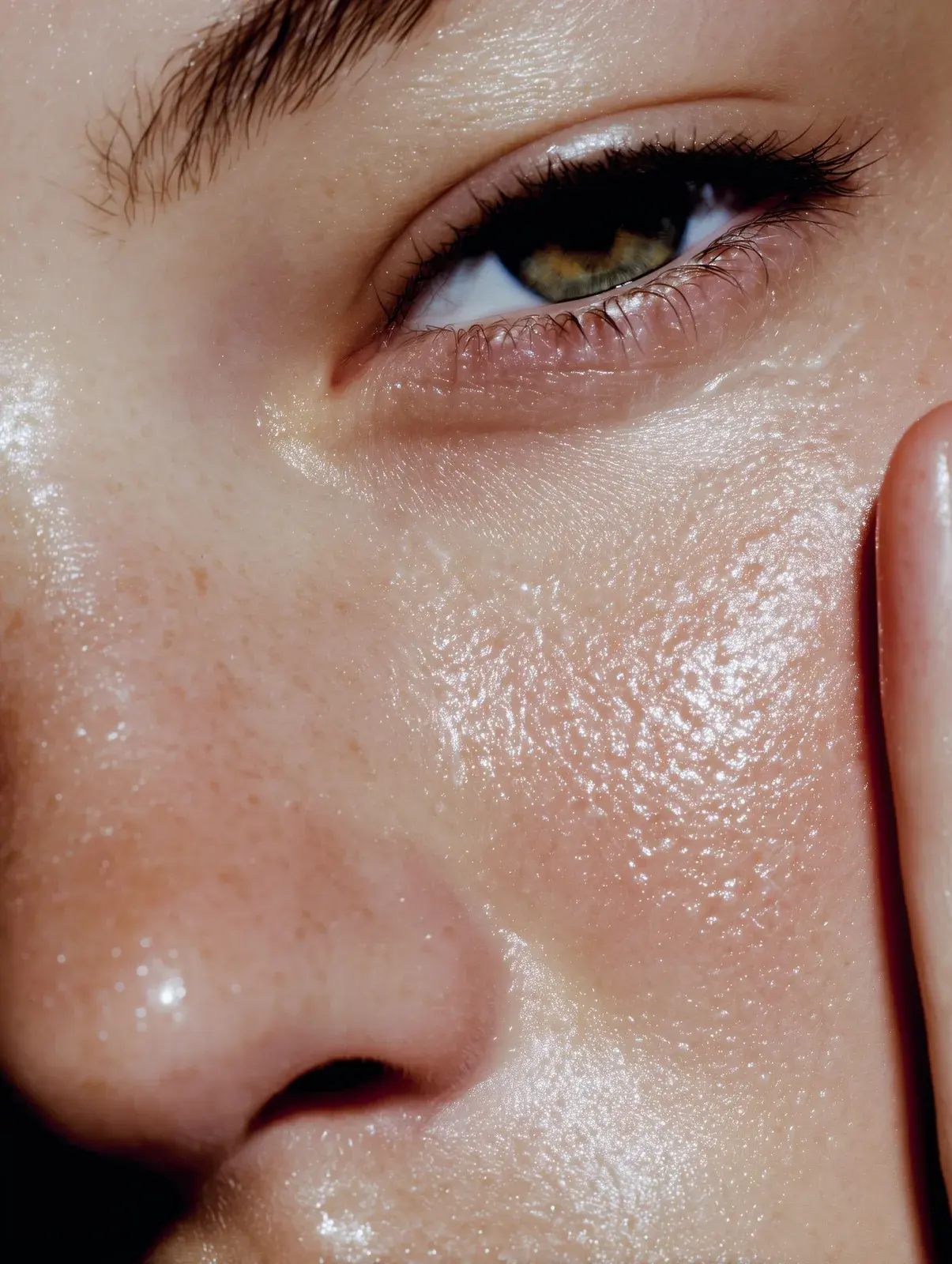
Living in Dubai is demanding on skin. Long months of intense sun, air conditioning running day and night, and the shift between humidity outdoors and dry air indoors all pull moisture out of the skin faster than most skincare can put it back. If your skin looks dull, feels tight or shows fine lines that make-up seems to settle into, dehydration at a deeper level is often part of the picture.
Skin boosters are one of the most requested answers to that problem, and one of the most misunderstood. They are frequently confused with dermal fillers, described with words like "glow" that say little about what is happening in the skin, and marketed as if every product does the same job. This article explains what skin booster treatment at Shookra actually involves, how Profhilo and Rejuran differ, what the evidence supports and who tends to benefit most.
What Are Skin Boosters?
Skin boosters are injectable treatments that improve skin quality from within, rather than adding volume or changing facial shape. Most are based on hyaluronic acid, a molecule your skin produces naturally to hold water. Delivered in a soft, spreadable form just beneath the surface, they hydrate the skin, support collagen production and improve texture, elasticity and overall radiance.
The key distinction is between skin quality and skin structure. Dermal fillers use a firmer gel to restore volume or define features such as the cheeks or jawline. Skin boosters use a much softer material spread evenly through the skin, so the change is not in shape but in how the skin itself looks and behaves: better hydrated, smoother, more supple and more light-reflective.
Because they work on quality rather than shape, skin boosters suit clients who feel their skin looks tired or crepey but do not want, or need, any alteration to their features.
How Do Skin Boosters Work?
Skin boosters work in two ways: immediate hydration and gradual biological stimulation. The hyaluronic acid draws and binds water within the skin, which improves hydration and softness within days. Over the following weeks, the presence of the product and the micro-injections themselves encourage fibroblasts, the skin's collagen-producing cells, to increase collagen and elastin production.
That second, slower mechanism is why results from a course of skin boosters typically build over one to three months rather than appearing overnight, and why clinicians usually recommend a short series of sessions rather than a single appointment. The skin is being encouraged to behave in a more youthful way, and biological change takes time.
It is also why skin boosters pair naturally with a measurement-led approach. Skin is a visible indicator of what is happening underneath, a theme we explore in why skin is the biomarker you can see. Persistent dullness or dehydration sometimes reflects sleep, nutrition or hormonal factors that injectables alone will not fix, which is why a proper consultation matters before any needle is picked up.
Do Skin Boosters Really Work?
For the right concerns, yes. Clinical studies of hyaluronic acid skin boosters consistently show measurable improvements in skin hydration, elasticity and fine line appearance, with effects typically lasting several months after a completed course. Research on polynucleotide treatments such as Rejuran suggests improvements in skin texture, firmness and repair, although this evidence base is newer and still growing.
The honest caveats matter just as much. Skin boosters will not lift sagging skin, replace lost volume or remove deep-set lines. Results vary between individuals, they are temporary, and maintenance sessions are needed to sustain the effect. A clinic that promises dramatic or permanent transformation from a skin booster is describing something the treatment does not do. What a well-chosen booster can deliver is skin that looks genuinely healthier, hydrated and smoother, the kind of change people notice without being able to say why.
Profhilo, Rejuran and Other Boosters: What Is the Difference?
"Most effective" depends on what your skin needs, because the main products work differently:
Profhilo is an ultra-pure, high-concentration hyaluronic acid designed to spread through the skin rather than stay where it is placed. Injected at a small number of points on each side of the face, it acts as a bio-remodelling treatment, hydrating deeply while stimulating collagen and elastin across the treated area. It is usually given as two sessions about four weeks apart and suits skin that has lost firmness, bounce and glow, commonly from the mid-thirties onwards.
Rejuran is a polynucleotide treatment derived from purified DNA fragments. Rather than primarily hydrating, polynucleotides support the skin's own repair processes and are associated with improvements in texture, elasticity and skin resilience. Rejuran is often considered for thin, fragile or damaged skin, the under-eye area and skin showing early sun damage, which is a common finding in Dubai.
Classic hyaluronic acid skin boosters are placed as many small droplets across the treated area, delivering targeted hydration to zones such as the cheeks, neck, décolletage and hands. They are often the starting point for younger clients or for treating specific dry, crepey areas.
Skin booster mesotherapy blends combine hyaluronic acid with vitamins, amino acids and antioxidants. You can read more about that approach on our mesotherapy page.
In practice, the choice is an assessment decision. Skin thickness, hydration level, sun damage, age and the outcome you care about all point towards one product, a combination or sometimes a different treatment entirely.
What Age Is Best for Skin Boosters?
There is no single right age, because skin boosters treat skin condition rather than a birthday. Most clients fall between their late twenties and their sixties. In the late twenties and thirties, boosters are typically used to maintain hydration and delay early fine lines. From the forties onwards, they are more often part of a broader plan to restore quality to skin that has lost elasticity and glow.
Age matters less than indication. A 32-year-old with sun-exposed, dehydrated skin may benefit more than a 50-year-old whose main concern is sagging, for whom a collagen-stimulating or tightening treatment such as HIFU or Morpheus8 may be more appropriate, alone or alongside boosters.
What Does Treatment Involve?
A skin booster appointment at Shookra in Business Bay begins with a consultation and skin assessment with one of our doctors. If boosters are right for you, numbing cream is applied and the product is injected in small amounts across the treated area. The procedure itself usually takes 30 to 45 minutes.
Downtime is minimal for most clients. Small bumps at the injection points typically settle within a day or two, and mild redness, swelling or occasional bruising can occur and resolves on its own. Most people return to normal activities the same day, avoiding make-up, intense exercise, saunas and direct sun for the first 24 to 48 hours.
A typical course involves two to three sessions spaced about four weeks apart, with results building over the following two to three months. Maintenance every six to twelve months is usual, adjusted to your skin's response. Results are gradual and natural in character. Friends tend to notice that you look fresh or well rested rather than treated.
Who Should Not Have Skin Boosters?
Skin booster treatments are not recommended during pregnancy or breastfeeding, over areas of active skin infection or inflammation, or for clients with certain autoimmune conditions or known allergies to the product ingredients. If you have a history of severe allergic reactions, cold sores in the treatment area or are taking medication that affects bleeding, tell your doctor during consultation. These situations do not always rule treatment out, but they need a medical decision, which is why skin boosters should only ever be administered by qualified practitioners in a licensed clinic.
How Much Do Skin Boosters Cost in Dubai?
Pricing in Dubai varies widely between clinics and depends on the product used, the number of sessions in your course, the size of the treated area and the experience of the practitioner. Packages that look inexpensive per session sometimes rely on diluted product or omit the review appointments that good treatment planning includes.
Rather than publishing a single figure, we confirm costs transparently at consultation once your treatment plan is clear, so you know exactly what your course involves before committing. Be cautious of any provider quoting a price before they have seen your skin.
Why Have Skin Boosters at Shookra?
Shookra is a DHA-licensed regenerative aesthetics and longevity clinic in Business Bay, and skin quality treatments sit at the centre of what we do. Every booster treatment is doctor-led: your skin is assessed first, the product is chosen for your skin rather than the other way round, and your response is reviewed so the plan can be adjusted over time. Because our team works across both aesthetics and longevity medicine, we treat skin as part of your wider health, and we recognise when dull or dehydrated skin is pointing to something deeper worth investigating rather than simply injecting past it.
If you are considering skin boosters in Dubai, the right first step is a consultation. Book an appointment with our team in Business Bay and we will assess your skin, talk through the options honestly and build a plan around what your skin actually needs.
Frequently Asked Questions
How much is a skin booster in Dubai?
Costs vary with the product, the area treated and the number of sessions in your course. Reputable clinics confirm pricing at consultation once a treatment plan is agreed, rather than quoting a flat rate before assessing your skin. At Shookra, your full course cost is confirmed transparently before any treatment begins.
Do skin boosters really work?
Yes, for the right concerns. The documented benefits include improved hydration, texture and fine line appearance after a completed course, with results typically lasting several months. They will not lift sagging skin or replace lost volume, so results depend on choosing the treatment for the right concern, which is an assessment decision.
What is the most effective skin booster?
No single product is most effective for everyone. Profhilo suits skin that has lost firmness and glow, Rejuran and other polynucleotides suit thin, damaged or sun-stressed skin, and classic hyaluronic acid boosters target dry, crepey areas. The right choice follows from a skin assessment, not a trend.
What age is best for skin boosters?
Most clients are between their late twenties and sixties. Younger clients typically use boosters to maintain hydration and delay fine lines, while older clients use them to restore quality to skin that has lost firmness. Skin condition, rather than age itself, determines whether skin booster treatments are appropriate.
How long do skin booster results last?
After a completed course, improvements typically last six to twelve months, although this varies with your skin, age, sun exposure and lifestyle. Results develop gradually over two to three months as collagen production responds, and periodic maintenance sessions are recommended to sustain the effect.
Want this for your own biology?
Speak with our team on WhatsApp — we’ll point you to the right protocol, or to a measurement first.