Skin & Dermatology8 min read
Salmon DNA Injections: What Polynucleotides Are and What They Can Do for Your Skin
What salmon DNA (PDRN) injections are, how polynucleotides support skin repair, what the evidence shows, side effects, under-eye use and who they suit.
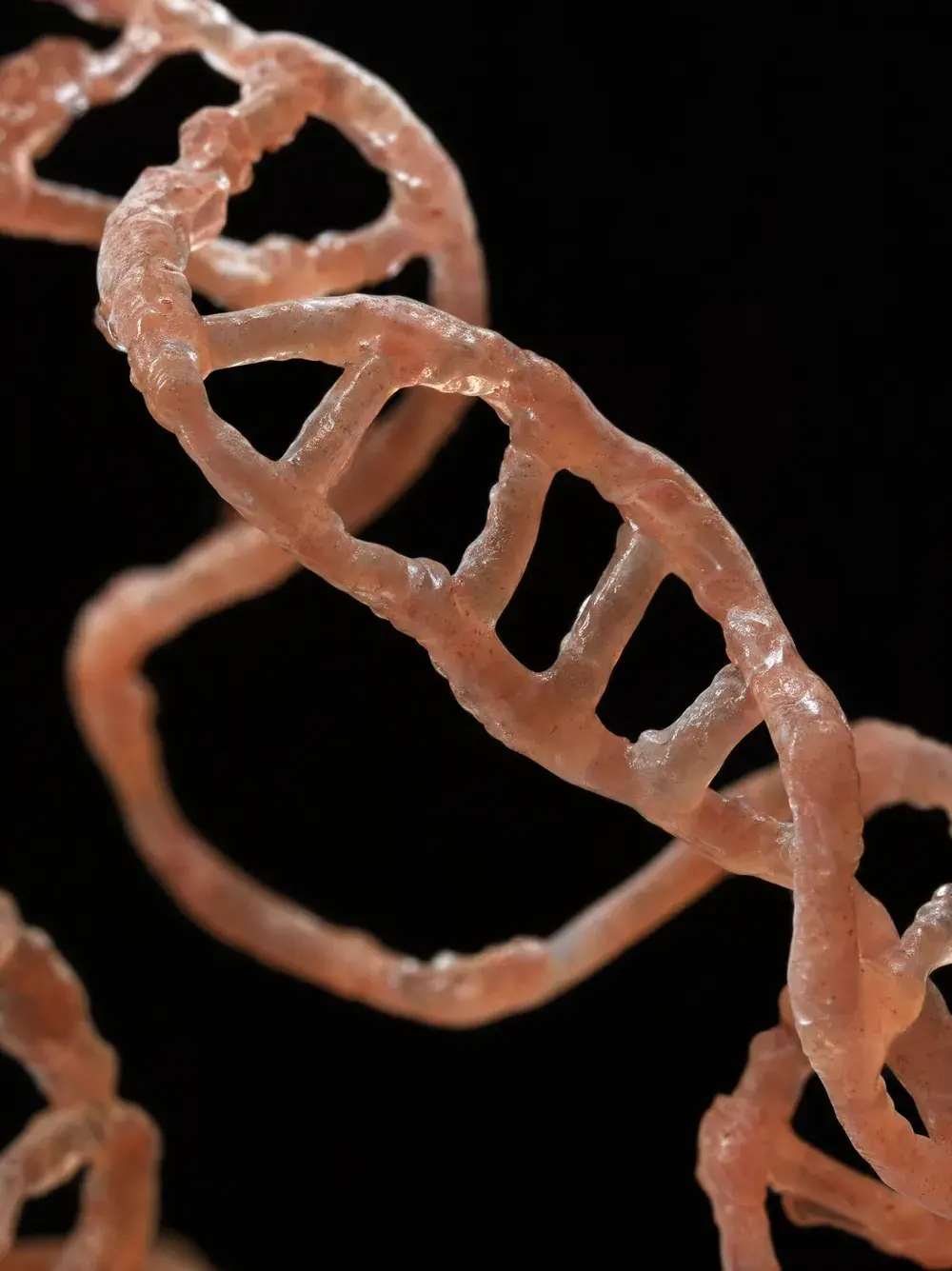
"Salmon DNA" sounds like a marketing invention, but it describes a real ingredient. Salmon DNA injections use purified fragments of DNA, known as polynucleotides or PDRN, that are placed into the skin to support its own repair. The treatment has been used for years in South Korea and Italy, and it has become a widely discussed skin-quality treatment in Dubai.
It is also widely misunderstood. Polynucleotides are not a filler, they do not relax muscles, and they do not change your skin overnight. This guide explains what they are, how they are thought to work, what the evidence does and does not show, what to expect from treatment and who they are likely to suit. For the treatment itself, see our polynucleotides page.
What are salmon DNA injections?
Salmon DNA injections are an injectable skin treatment using polynucleotides: purified fragments of DNA extracted from salmon or trout. Once placed in the skin, they are understood to support the skin's own repair processes, which may improve hydration, texture and firmness over time. They don't add volume or freeze muscles.
The DNA is taken from fish germ cells and purified to remove proteins and other material, leaving the DNA fragments behind. DNA has the same basic chemical building blocks in all living things, so once proteins are removed, purified fish DNA is generally well tolerated by the body. Salmon and trout germ cells are also a rich, consistent source.
What is the difference between PDRN and polynucleotides?
PDRN (polydeoxyribonucleotide) and polynucleotides are both purified DNA fragments, and the terms are often used interchangeably. Technically, PDRN usually refers to shorter fragments, while polynucleotides (often shortened to PN) are longer chains that form a thicker gel. Different products use different lengths, which affects how they behave in the skin.
In practice, what matters more than the label is choosing a regulated, medical-grade product, and a clinician who chooses the formulation and technique to suit your skin.
How do polynucleotides work?
Polynucleotides are thought to work in two main ways. They hold water in the tissue, improving hydration, and they act as a signal that supports the activity of fibroblasts, the cells that make collagen and elastin. PDRN also appears to have anti-inflammatory effects and to support the growth of small blood vessels involved in healing.
Much of what is known comes from the wider medical use of PDRN in wound healing and tissue repair, where it was studied before it moved into aesthetic medicine. In the skin, the aim is to strengthen and improve the quality of the tissue itself, rather than to cover up or fill in the signs of ageing.
What does the evidence say?
Published studies on polynucleotides for skin are encouraging but limited. Most are small, short-term and come from South Korea and Italy, where the treatment has been used longest. They report improvements in skin texture, elasticity, hydration and fine lines, including around the eyes, but larger independent trials are still needed.
This is a reasonable basis for considering the treatment, but it is worth being wary of anyone who presents it as proven to reverse ageing. Results vary between people, depend on the starting condition of the skin, and are usually subtle and gradual rather than dramatic.
What can polynucleotides help with?
Polynucleotides are most often used for thin, crepey or dehydrated skin, fine lines, dullness, early loss of firmness and rough texture. Common treatment areas are the under-eyes, face, neck, décolletage and backs of the hands. They are also sometimes used alongside other treatments to support skin quality and recovery.
- Under-eye skin that looks thin, crepey or tired.
- Dehydrated skin that no longer holds moisture well, a common complaint in Dubai, where long hours in air conditioning dry the skin out.
- Fine lines and crepey texture on the face, neck and chest.
- Sun-stressed skin that looks dull or uneven in texture.
- Mature or sensitive skin that needs a gentle, gradual approach.
They are less suited to deep wrinkles, significant volume loss, sagging or pigmentation. Those concerns usually need a different treatment, or a plan that combines several.
Are polynucleotides good for under-eye circles?
Polynucleotides may help when dark circles are caused by thin, crepey under-eye skin that shows the blood vessels beneath. They aim to thicken and strengthen the skin over time. They do not correct hollow tear troughs or pigmentation, so the cause of your dark circles needs assessing first to know whether they will help.
Our guide to dark circles under the eyes explains the different types and how each is usually treated. Many people have more than one cause, which is why a skin assessment comes before any treatment plan.
Polynucleotides vs skin boosters: what is the difference?
Hyaluronic acid skin boosters mainly add hydration by binding water in the skin. Polynucleotides aim to support the skin's own repair and quality. Both are injected in small amounts, neither adds noticeable volume, and they are sometimes combined or alternated. The better choice depends on whether your skin mainly needs hydration, repair, or both.
For a fuller comparison of the options, see our article on skin boosters in Dubai. Polynucleotides are also sometimes compared with PRP, which uses platelets from your own blood. These treatments work in different ways and suit different goals, which a clinician can talk you through.
What happens during treatment?
A typical session takes around 30 to 45 minutes. After a skin assessment, numbing cream is applied, and the polynucleotide solution is placed into the skin with fine injections, a cannula or microneedling, depending on the area. Most people return to normal activities the same day, with some redness and small bumps for a day or two.
- Consultation and assessment: a doctor reviews your skin, medical history and goals, and confirms whether polynucleotides are suitable.
- Preparation: the skin is cleansed and a numbing cream is applied to keep the session comfortable.
- Treatment: the solution is delivered in small amounts across the treatment area.
- Aftercare: you are advised to avoid make-up, heavy exercise, saunas and strong sun for a short period afterwards.
How many sessions do you need, and how long do results last?
Most people have a course of two to four sessions, a few weeks apart. Changes build gradually, with improvements in skin quality usually becoming noticeable over several weeks after the course rather than immediately. Results are not permanent, and many clinicians suggest maintenance sessions, often once or twice a year, depending on your skin.
Because the effect builds slowly, it helps to plan treatment well ahead of any event rather than in the final week.
What are the side effects of polynucleotides?
Common side effects of polynucleotide injections are mild and short-lived: redness, swelling, tenderness and small raised bumps at the injection points, which usually settle within a day or two, and occasional bruising, particularly under the eyes. Less commonly, infection, prolonged swelling, small lumps or an allergic reaction can occur.
Choosing a qualified medical practitioner, working in a clinical setting with a regulated product, lowers the risk of complications. Contact your clinic if you notice increasing pain, spreading redness, heat or fever. Any change in your vision after treatment needs urgent medical attention straight away.
Who should avoid polynucleotides?
Polynucleotides are not usually recommended during pregnancy or breastfeeding, for people with a known fish allergy, or where there is active infection or inflammation at the treatment site. People with autoimmune conditions, bleeding disorders or those taking blood-thinning medication should discuss it with a doctor first, as it may not be suitable.
A full medical history at consultation is the safest way to decide. If polynucleotides are not right for you, a doctor can talk you through other options.
What about salmon DNA facials and creams?
Topical products containing PDRN or "salmon DNA" are widely sold as serums, masks and facials. DNA fragments are large molecules, so how much reaches the deeper skin from a cream alone is uncertain. Some clinics pair topical PDRN with microneedling to improve delivery. Injectable treatment remains the form most studied for skin quality.
Topical products can still be a pleasant part of a skincare routine, but they are not equivalent to injectable treatment, and it is worth keeping expectations realistic.
Frequently asked questions
Do salmon DNA injections hurt?
Most people describe mild discomfort rather than pain. A numbing cream is applied before treatment, and the injections are very fine. The under-eye area can feel more sensitive than the cheeks. Any tenderness afterwards usually settles within a day or two.
When will I see results from polynucleotides?
Some people notice their skin looks more hydrated within a week or two, but the main changes in texture and firmness build gradually over the weeks after a course of treatment. Because results are subtle and progressive, photographs taken before and after the course are often the clearest way to see the difference.
Can polynucleotides be combined with other treatments?
Yes, polynucleotides are often combined with other skin treatments, such as skin boosters, energy-based devices or anti-wrinkle injections, as part of a staged plan. The order and timing matter, so your clinician should plan the order and spacing of combined treatments.
Are polynucleotides safe for darker skin tones?
Polynucleotides do not work on pigment and do not use heat, so they are generally considered suitable for all skin tones. As with any injectable, there is a small risk of temporary marks from bruising or inflammation, so it is important to follow aftercare advice, particularly sun protection.
Is it right for your skin?
Salmon DNA injections are a gentle, gradual option for improving skin quality, particularly for thin, dehydrated or tired-looking skin and the delicate under-eye area. They work best as part of a clear plan built on an honest assessment of what your skin needs.
If you are considering polynucleotides, book a consultation with our aesthetic medicine team in Business Bay. Dr. Nihal Hussein, who works across aesthetic and functional medicine, can assess your skin, explain whether polynucleotides are likely to help and talk you through the alternatives.
Want this for your own biology?
Speak with our team on WhatsApp — we’ll point you to the right protocol, or to a measurement first.