Orthopaedics & Sports Medicine9 min read
Plantar Fasciitis: Why Your Heel Hurts in the Morning, and the Exercises That Help
Why plantar fasciitis causes sharp morning heel pain, the stretches and strengthening exercises with most research behind them, and when to see a specialist.
You swing your legs out of bed, put your foot on the floor, and a sharp pain shoots through the bottom of your heel. After a few minutes of hobbling it eases, only to come back after you have been sitting at your desk or in the car. That pattern is typical of plantar fasciitis, the most common cause of heel pain in adults.
The good news is that most people improve with simple, consistent self-care, and the exercises below are at the centre of it. The less good news is that it can take months to settle, and doing the wrong things, or doing the right things inconsistently, can drag it out.
This guide explains what plantar fasciitis is, why Dubai life can be hard on your feet, the exercises with the most research behind them, and when heel pain needs a specialist's opinion. If your pain has already been going on for a while, our plantar fasciitis condition guide explains how a specialist assesses it.
What is plantar fasciitis?
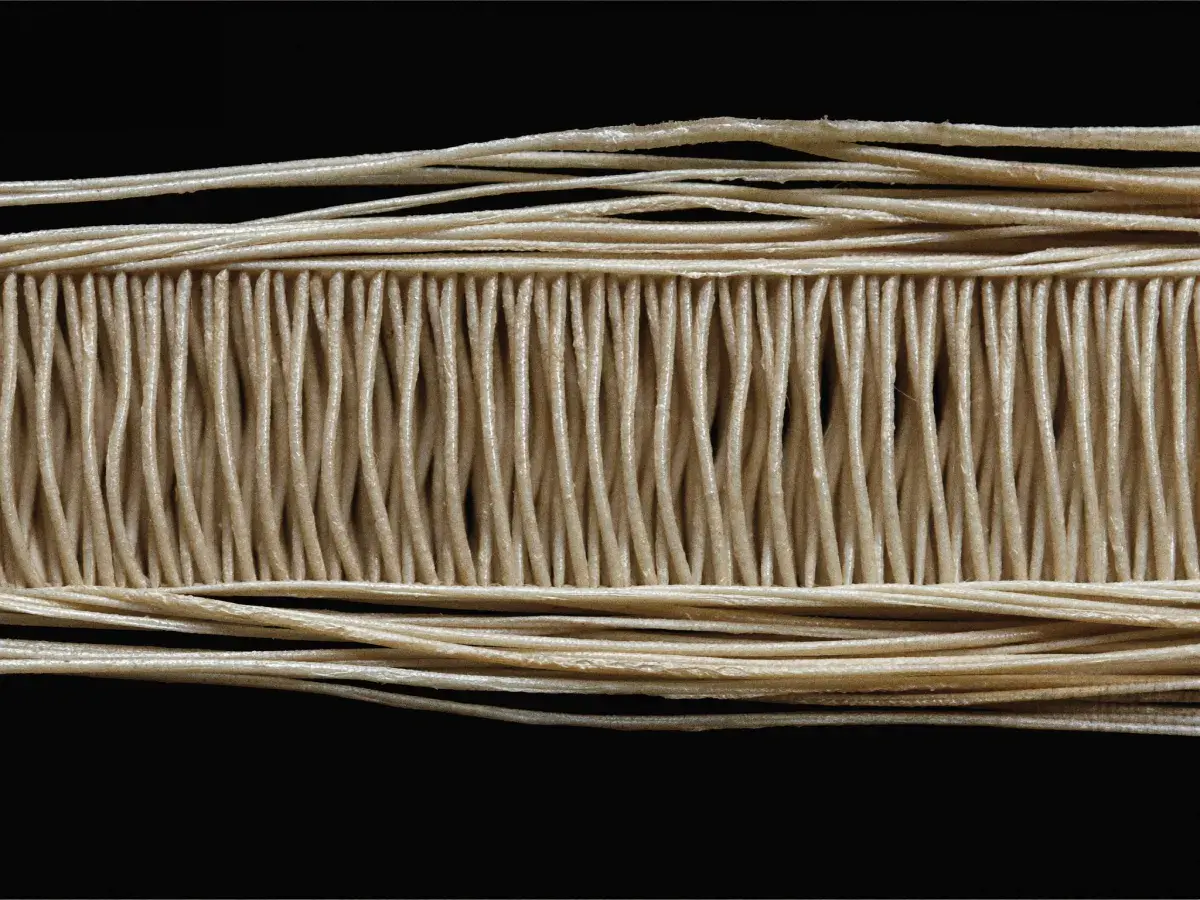
Plantar fasciitis is irritation of the plantar fascia, the thick band of tissue that runs from the heel bone to the base of the toes and supports the arch of the foot. When the load on it repeatedly exceeds what it can tolerate, the tissue near the heel becomes painful, especially with the first steps after rest.
Despite the name, long-standing cases often show thickening and degeneration of the tissue rather than classic inflammation, which is why some clinicians prefer the term plantar fasciopathy. The practical point is the same: the fascia needs to be offloaded in the short term and gradually made more resilient in the long term.
What are the symptoms of plantar fasciitis?
The typical symptoms of plantar fasciitis are:
- Sharp or stabbing pain under the heel with the first steps in the morning
- Pain that returns after sitting or resting, then eases as you walk
- Tenderness when pressing on the inside of the heel
- Pain that builds after long periods of standing or walking
- Discomfort along the arch of the foot
The pain is usually in one foot, although both can be affected. It tends to be worse after activity rather than during it.
What causes plantar fasciitis?
Plantar fasciitis is caused by repeated strain on the plantar fascia that exceeds its capacity to recover. Common contributors include a sudden increase in walking, running or standing, tight calf muscles, a higher body weight, unsupportive footwear and long hours on hard floors. It is most common between the ages of 40 and 60.
Research has identified a few factors that stand out. A widely cited study by Riddle and colleagues, published in 2003, found that limited ankle flexibility, a higher body mass index and spending most of the working day on your feet were each associated with a higher risk. Often it is a combination: a few extra kilograms, a new running plan and a pair of worn-out trainers.
Why Dubai life can be hard on your feet
Several features of life in Dubai put extra load on the feet:
- Walking barefoot at home on marble and tiled floors, which offer no cushioning or arch support
- Months of flat sandals and flip-flops in the heat
- Long walks on soft sand, which makes the calf and foot work harder than usual
- The popularity of padel, running clubs and bootcamp classes, often taken up quickly
- Long shifts standing in hospitality, retail and healthcare
- Lots of walking in malls and airports, often in fashion shoes
None of these is a problem on its own. Trouble tends to start when load rises faster than the foot can adapt.
Plantar fasciitis exercises: which have the most evidence?
The plantar fasciitis exercises with the most research behind them are a stretch that targets the plantar fascia directly, calf stretches, and a progressive heel-raise strengthening exercise. Done consistently over several weeks, they can help reduce pain and improve function for many people. Start gently and expect gradual, not overnight, change.
1. Plantar fascia stretch
Sit with the painful foot crossed over the other knee. Hold the base of your toes and pull them back towards your shin until you feel a stretch along the arch. You should be able to feel the tight band under your foot with your other hand. Hold for 10 seconds and repeat 10 times.
Do this before your first steps in the morning, before standing up after long periods of sitting, and a few times through the day. A 2003 study by DiGiovanni and colleagues found that this fascia-specific stretch reduced heel pain, including pain with the first steps of the day, more than a calf stretch alone over eight weeks. Doing it before you stand up targets exactly the moment the pain is usually worst.
2. Calf stretches
Tight calves increase the pull on the plantar fascia. Stand facing a wall with your hands on it, the painful leg straight behind you and the other knee bent. Keep the back heel on the floor and lean forward until you feel a stretch in the calf. Hold for 30 seconds and repeat three times.
Then repeat with the back knee slightly bent, which shifts the stretch to the deeper calf muscle. Aim for two or three sessions a day.
3. Heel raises with a towel under the toes
This is the strengthening exercise that has attracted most interest. A 2015 trial by Rathleff and colleagues found that people doing high-load heel raises had less pain and better foot function at three months than those doing the plantar fascia stretch, although the two groups were similar by 12 months. Both groups also used shoe inserts.
Stand on a step with a rolled towel under your toes and your heels hanging off the edge. Rise up slowly on both feet over three seconds, pause for two seconds at the top, then lower slowly over three seconds. Hold a rail for balance. When this feels easy, progress to one foot, and later add a backpack with books for extra load. The trial itself used loaded single-leg raises; starting on two feet is a gentler way in.
Start with three sets of 12 every other day. Some discomfort during the exercise is acceptable if it settles by the next morning. If your morning pain is clearly worse the next day, reduce the load.
4. Rolling and cooling
Rolling the arch over a massage ball or a frozen water bottle for a few minutes can ease pain, particularly after a long day. The evidence is mainly for short-term comfort rather than long-term change, so treat it as a helpful extra, not the main plan.
What else helps plantar fasciitis heal?
Alongside the exercises, a few changes reduce strain on the fascia while it settles:
- Wear supportive shoes at home. A cushioned house shoe or supportive sandal instead of going barefoot on hard floors makes a noticeable difference for many people.
- Choose footwear with a slight heel and arch support. Very flat, thin-soled shoes increase the load on the fascia. Off-the-shelf arch supports or heel cups help some people.
- Adjust, don't stop, activity. Swap some running or padel for cycling, swimming or the cross-trainer while pain settles, then build back gradually.
- Look at overall load. If you stand all day, short sitting breaks and supportive shoes matter. If weight has crept up, losing some can reduce strain on the feet.
- Replace worn-out trainers. Cushioning breaks down over time, even when the shoe still looks fine.
How long does plantar fasciitis last?
Plantar fasciitis often takes several months to settle, and most people improve within a year with simple measures such as stretching, strengthening, footwear changes and activity adjustment. Recovery tends to be quicker when it is addressed early and the exercises are done consistently.
It can be frustrating, because the pain often fluctuates from week to week. Judge progress over a month or so rather than day to day, and keep a simple note of how your first steps feel each morning.
When should you see a specialist about heel pain?
See a specialist if heel pain has not improved after a few weeks of consistent self-care, if it is present at rest or at night, if there is numbness or tingling in the foot, or if it started after an injury. Pain severe enough to stop you putting weight on the foot should be assessed promptly.
Not all heel pain is plantar fasciitis. Irritation of a nerve, a stress fracture of the heel bone, pain at the back of the heel from the Achilles tendon, and pain referred from the lower back can all feel similar. Our guide to Achilles tendinopathy covers pain at the back of the heel.
A specialist assessment typically includes a history of your symptoms and activity, an examination of the foot, ankle and calf, and imaging such as ultrasound where the diagnosis is uncertain. For persistent cases, a specialist may discuss further options. These can include an injection placed under ultrasound guidance, described on our ultrasound-guided injections page, or, case by case, PRP for joints and tendons. Like any injection, these carry risks, such as a temporary flare of pain and, rarely, infection, and steroid injections in particular can occasionally weaken the fascia or the fat pad under the heel. Whether any of these is appropriate depends on your assessment, and none is a substitute for the loading and exercise plan.
Frequently asked questions
What is the fastest way to get rid of plantar fasciitis?
There is no instant fix, but the quickest route for most people is to start early and be consistent: stretch the fascia before your first steps each morning, do calf stretches and heel raises, wear supportive shoes at home and reduce high-impact activity for a while. If there is no improvement after a few weeks, have it assessed.
Is walking good for plantar fasciitis?
Gentle walking in supportive shoes is usually fine and helps keep you active, but long walks, walking barefoot on hard floors and walking on soft sand can aggravate symptoms. Let pain guide you: mild discomfort that settles quickly is generally acceptable, while pain that is worse the next morning suggests you have done too much.
Should I rest completely with plantar fasciitis?
Complete rest is rarely needed and can leave the foot less able to cope when you return to normal activity. Most people do better by reducing the activities that clearly aggravate the pain, keeping active in lower-impact ways, and gradually building strength with exercises such as heel raises.
Do heel spurs cause plantar fasciitis?
Heel spurs are often seen on X-rays of people with plantar fasciitis, but they are also common in people with no heel pain at all. They are generally thought to be a result of long-term load on the heel rather than the cause of the pain, so finding one does not usually change the plan.
Getting back on your feet
Plantar fasciitis is common, uncomfortable and slow, but it usually responds to a patient, structured approach. A few minutes of the right exercises each day, better support for your feet at home, and a sensible approach to activity can make a real difference for many people.
If your heel pain has not settled, keeps coming back, or does not fit the usual pattern, a specialist can confirm what is causing it and talk you through your options. Book a consultation with Dr. Sharmila Tulpule, Specialist Orthopaedic Surgeon, through our orthopaedics and sports medicine service in Dubai.
Want this for your own biology?
Speak with our team on WhatsApp — we’ll point you to the right protocol, or to a measurement first.