Injectables · Dubai
Thread Lift in Dubai
A thread lift uses fine, absorbable PDO threads placed beneath the skin to provide subtle lift and support along the face, neck and jawline. It is a minimally invasive procedure, carried out under DHA-licensed medical supervision at our Dubai clinic and matched to your face at consultation.
Medically reviewed byDr. Nihal HusseinAesthetic & Functional Medicine · DHA-licensedLast reviewed
- Duration
- Around 30–60 minutes
- Downtime
- Mild swelling or bruising for a few days
- Setting
- In-clinic, doctor-led
- Threads
- Fine, absorbable PDO
What Is Thread Lift?
A thread lift is a minimally invasive treatment that places fine absorbable PDO threads under the skin to gently lift and support it, and to prompt collagen as the threads dissolve.
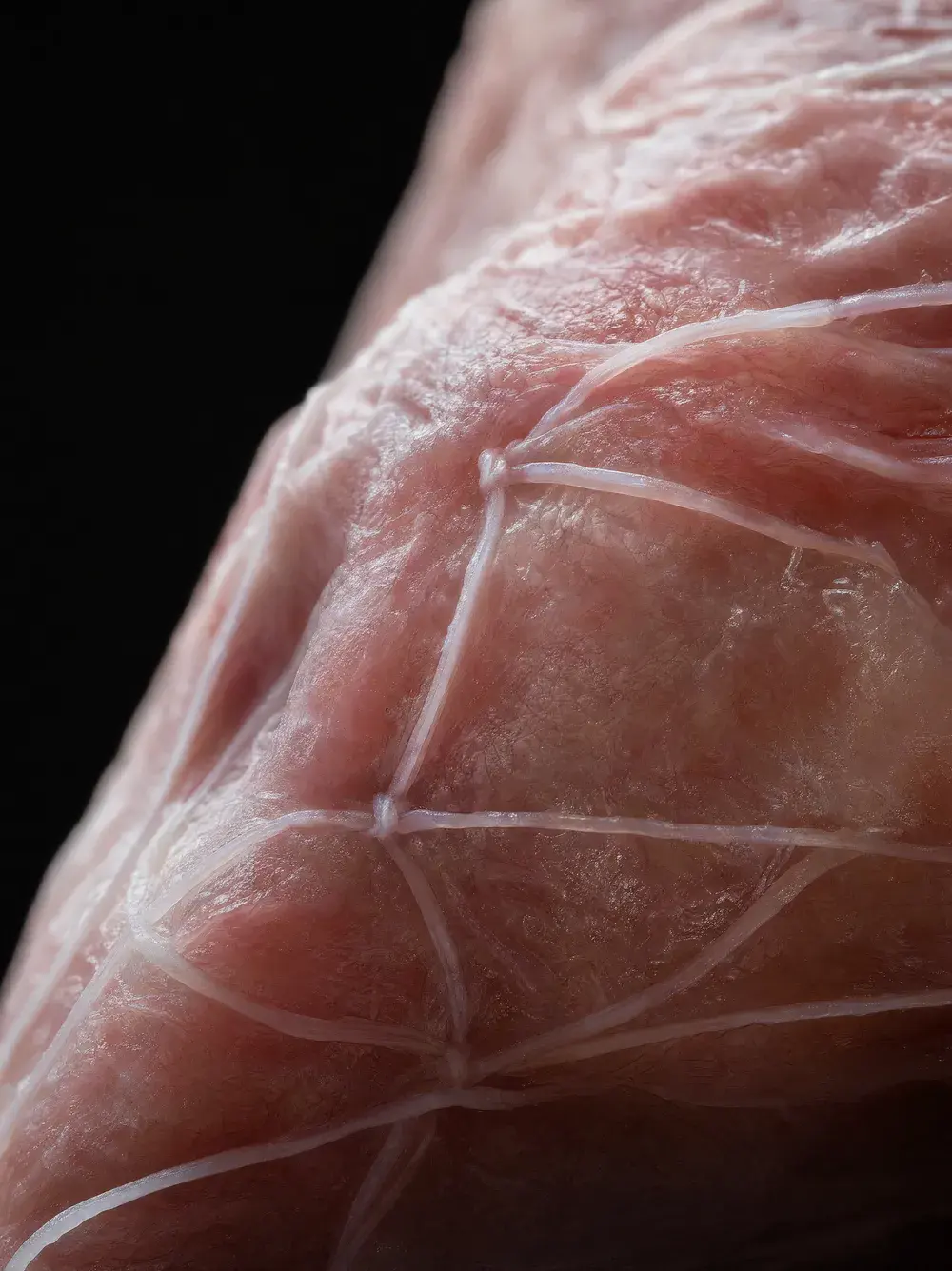
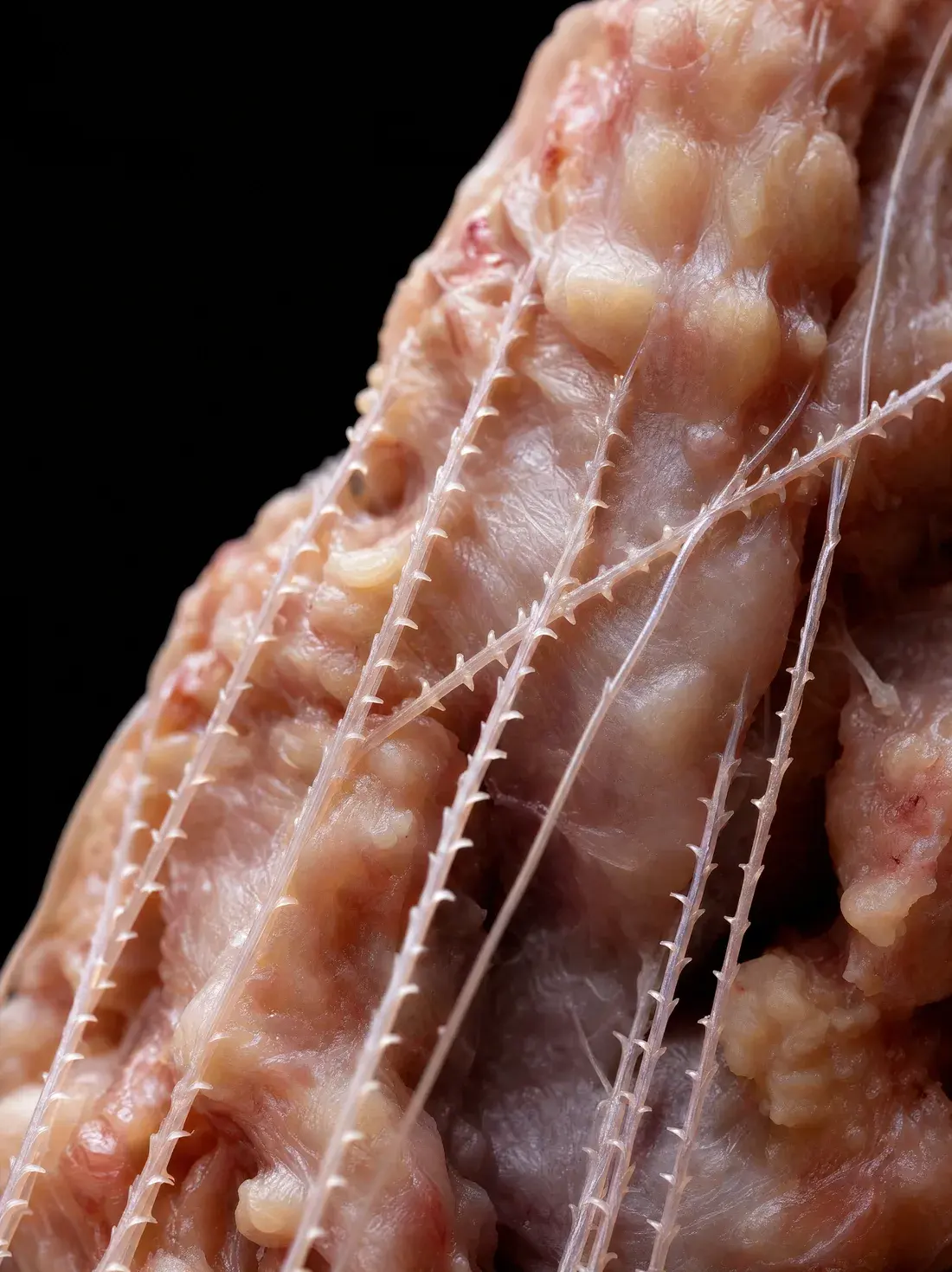
A thread lift works through fine, absorbable sutures — commonly made from PDO (polydioxanone), a material long used in surgery. Using a thin needle or cannula, your clinician places the threads in the deeper layers of the skin. Once in position, the threads provide gentle support that can reposition and hold the tissue a little more firmly than before.
As the threads gradually dissolve, the body is understood to respond by forming collagen around where they sat. The threads themselves are absorbed over a period of months and do not remain in the skin permanently. Any lift or change is subtle rather than surgical, and how the skin responds varies from person to person.
At Shookra, thread lifts are carried out within doctor-led clinical protocols. Your clinician assesses your facial structure, skin quality and goals, and explains what a thread lift can and cannot do before any treatment is planned. It is a clinical procedure, not a spa treatment.
Who Is Thread Lift For?
A thread lift is usually considered by people noticing early softening along the jawline, cheeks or neck who are looking for subtle support rather than a surgical change. It tends to suit those who want a minimally invasive option, and is often discussed alongside other non-surgical approaches at consultation.
A thread lift is not the right choice for everyone, and it is not a replacement for a surgical facelift where more pronounced laxity is present. Your clinician reviews your facial structure, skin quality and medical history, and will advise honestly whether a thread lift, another treatment, or no treatment is the better fit.
- Early softening and loss of firmness
- Mild facial and jawline laxity
- Fine lines and folds
- Uneven skin texture
- Dull, tired-looking skin
Who it’s not for
A few situations mean it’s better to wait, or to choose a different treatment:
- An active infection at or near the treatment site.
- Pregnancy or breastfeeding.
- Bleeding disorders or use of blood-thinning medication.
- Autoimmune or impaired-healing concerns, or a known suture allergy.
This isn’t exhaustive, and none of it rules you out on its own — your clinician confirms suitability at consultation.
What to Expect from Thread Lift
- 01
Consultation & planning
A clinician assesses your face, skin quality and goals, reviews your medical history and medications, and confirms whether a thread lift is appropriate. The placement and number of threads are planned to suit your face rather than a fixed template.
- 02
The procedure
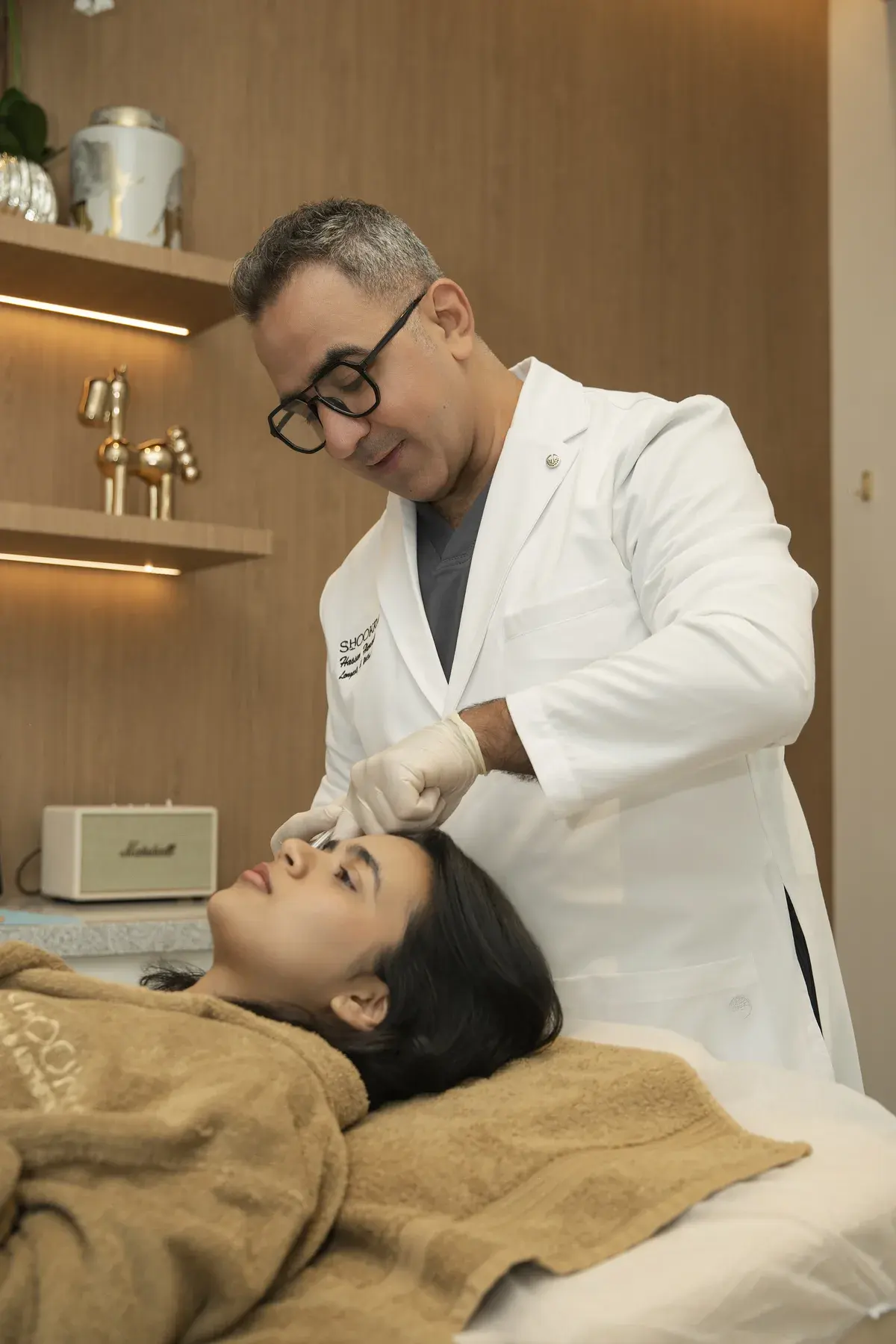
The treatment area is cleansed and a local anaesthetic is used for comfort. Threads are then placed beneath the skin using a fine needle or cannula. You stay awake throughout, and the session typically takes around 30 to 60 minutes depending on the area treated.
- 03
After your session
Mild swelling, tenderness or bruising around the entry points is common in the days afterwards. Your clinician gives you aftercare guidance — such as avoiding heavy pressure on the area and strenuous activity for a short period — and advises whether any review is needed.
Meet Your Practitioner
On Thread Lift
I treat thread lifts as a tool for subtle support, not as a substitute for surgery. The honest conversation is about expectations: where there is early softening, threads can offer a gentle lift, but more established laxity is better addressed another way. I plan placement carefully around each face, keep the result measured, and am candid when a thread lift is not the right choice. Results vary, and I prefer to set that out clearly before we begin.
 Dr. Nihal HusseinAesthetic & Functional Medicine · DHA-licensed
Why Choose Shookra for Thread Lift
 01
01Physician-led
Every protocol is planned and supervised by a DHA-licensed doctor.
 02
02Measured, then treated
We read your skin before we treat it, so the plan fits you — not a template.
 03
03Managed over time
Your care is tracked and adjusted as part of one practice, not one-off visits.
 04
04Medical-grade
Clinical protocols and equipment, in a discreet Dubai clinic.
Thread Lift Questions
01Is a thread lift the same as a surgical facelift?
02What are the threads made of, and do they stay in the skin?
03Is there downtime after a thread lift?
04How long does a thread lift last?
05Who should avoid a thread lift?
06What does a thread lift cost at Shookra?

Journal
Related reading
Skin & Dermatology11 min read
Dermal Fillers in Dubai: Lips, Cheeks and Jawline, and How to Get Natural Results
A doctor-led guide to dermal fillers in Dubai: how hyaluronic acid filler works in the lips, cheeks and jawline, safety, aftercare and natural results.
Read article
Skin & Dermatology7 min read
Collagen Banking: The Evidence-First Guide to Slowing Skin Ageing
What collagen banking really means, what the evidence supports and what actually preserves collagen. An honest clinical guide from Shookra, Business Bay, Dubai.
Read article
Skin & Dermatology7 min read
Why Pigmentation Is So Common in Dubai: Sun, Heat and Your Skin
Why facial pigmentation is so common in Dubai: sun, heat, hormones and skin trauma. What causes dark spots, how they are treated and when to see a dermatologist.
Read article
Where we do it
Thread Lift in Dubai
Dubai · Business Bay
ShookraRetail 3, 15, Northside, Business Bay, Dubai, UAE+971 50 320 4553Open Mon–Sun · 10:00–22:00
View on Google MapsDubai · Palm Jumeirah
ShookraAndaz Dubai The Palm, 3rd Floor, Palm Jumeirah Rd, Palm Jumeirah, Dubai, UAE+971 50 320 4553Open Mon–Sun · 10:00–22:00
View on Google MapsLicensed & Regulated
DHA-licensed. MOHAP-approved.
Every treatment is delivered at Shookra, a DHA-licensed medical facility in Dubai. Every physician and clinician on our team is DHA-licensed and works to clinical protocol. Our health communications are independently reviewed and approved by the UAE Ministry of Health & Prevention (MOHAP).
Shookra Polyclinic · DHA Facility Permit #3449309 · MOHAP Advertisement Licence T0UOE5NK-020526

Book a consultation
Book your Thread Lift consultation.
Speak with our team on WhatsApp — we’ll talk through your goals, suitability and pricing.