Longevity8 min read
The Anti-Inflammatory Diet: What to Eat, What to Limit and What the Evidence Says
What chronic inflammation is, the foods that may help and those to limit, what the research shows, and how to eat this way in Dubai.
The anti-inflammatory diet has become one of the most talked-about ways of eating, linked in headlines to everything from joint pain and skin to heart health and ageing. Some of that attention is justified. Some of it is marketing, built around expensive powders and long lists of forbidden foods.
The evidence points to something simpler. An anti-inflammatory way of eating looks a lot like the traditional diets of the Mediterranean and the wider region: plenty of vegetables, pulses, whole grains, olive oil, nuts and fish, with fewer processed foods. For people in Dubai, many of the building blocks are already on the table.
This guide explains what inflammation is, which foods may help and which to limit, what the research does and does not show, and how to put it into practice. If you want to know where you stand, our advanced blood panel includes a sensitive marker of inflammation, read alongside your wider results.
What is inflammation, and why does it matter?
Inflammation is the body's natural response to injury or infection. Short-term inflammation is protective and helps you heal. Chronic low-grade inflammation is different: a persistent, low-level activation of the immune system that research has associated with conditions such as heart disease, type 2 diabetes and some other long-term health problems.
Acute inflammation is the swelling around a sprained ankle or the sore throat with a cold. It switches on, does its job and switches off. Chronic low-grade inflammation is quieter and usually has no obvious symptoms. It is influenced by many things, including excess body fat, especially around the abdomen, smoking, poor sleep, stress, inactivity and diet.
Doctors can measure one marker of it with a blood test called high-sensitivity C-reactive protein, or hs-CRP. It is not a diagnosis on its own, as it can rise with a cold or a hard workout, but it adds useful context when read alongside other results.
What is an anti-inflammatory diet?
An anti-inflammatory diet is an eating pattern rich in vegetables, fruit, whole grains, pulses, nuts, seeds, olive oil and oily fish, and low in ultra-processed foods, refined carbohydrates, sugary drinks and processed meat. It is not one fixed plan, and the Mediterranean diet is the most widely studied example.
Rather than focusing on single superfoods, the research supports looking at your overall pattern of eating. Researchers have even developed scores, such as the Dietary Inflammatory Index, to estimate how much a diet leans towards or away from inflammation.
What does the evidence say?
The strongest evidence is for whole dietary patterns, especially the Mediterranean diet. The large Spanish PREDIMED trial, retracted and republished in 2018 after a reanalysis of its methods, found that people at high cardiovascular risk who followed a Mediterranean diet supplemented with extra-virgin olive oil or nuts had fewer major cardiovascular events than those on a reduced-fat diet.
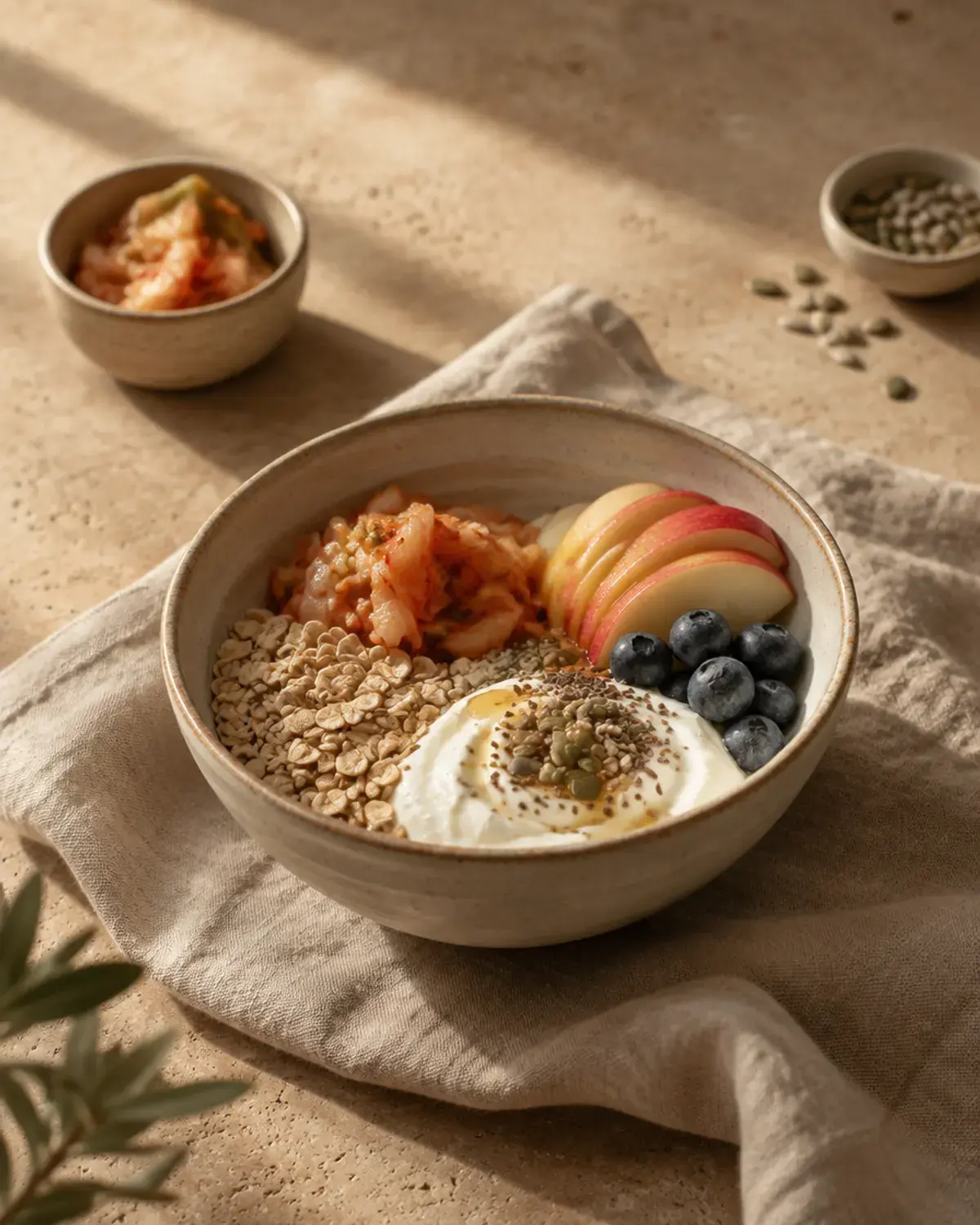
Other research supports specific parts of the pattern. A small 2021 study of 36 healthy adults by Wastyk and colleagues at Stanford, published in Cell, found that those who ate more fermented foods for ten weeks had a more diverse gut microbiome and lower levels of a number of inflammatory markers. Diets high in fibre and omega-3 fats from fish are also consistently associated with lower inflammation in observational research.
It is worth being clear about the limits. Much of the evidence comes from observational studies, which show associations rather than cause and effect, and an anti-inflammatory diet is not a treatment for any disease. It is a sensible, well-supported way to eat that may support long-term health, particularly alongside other healthy habits.
Anti-inflammatory foods to eat more of
Foods commonly included in an anti-inflammatory diet are:
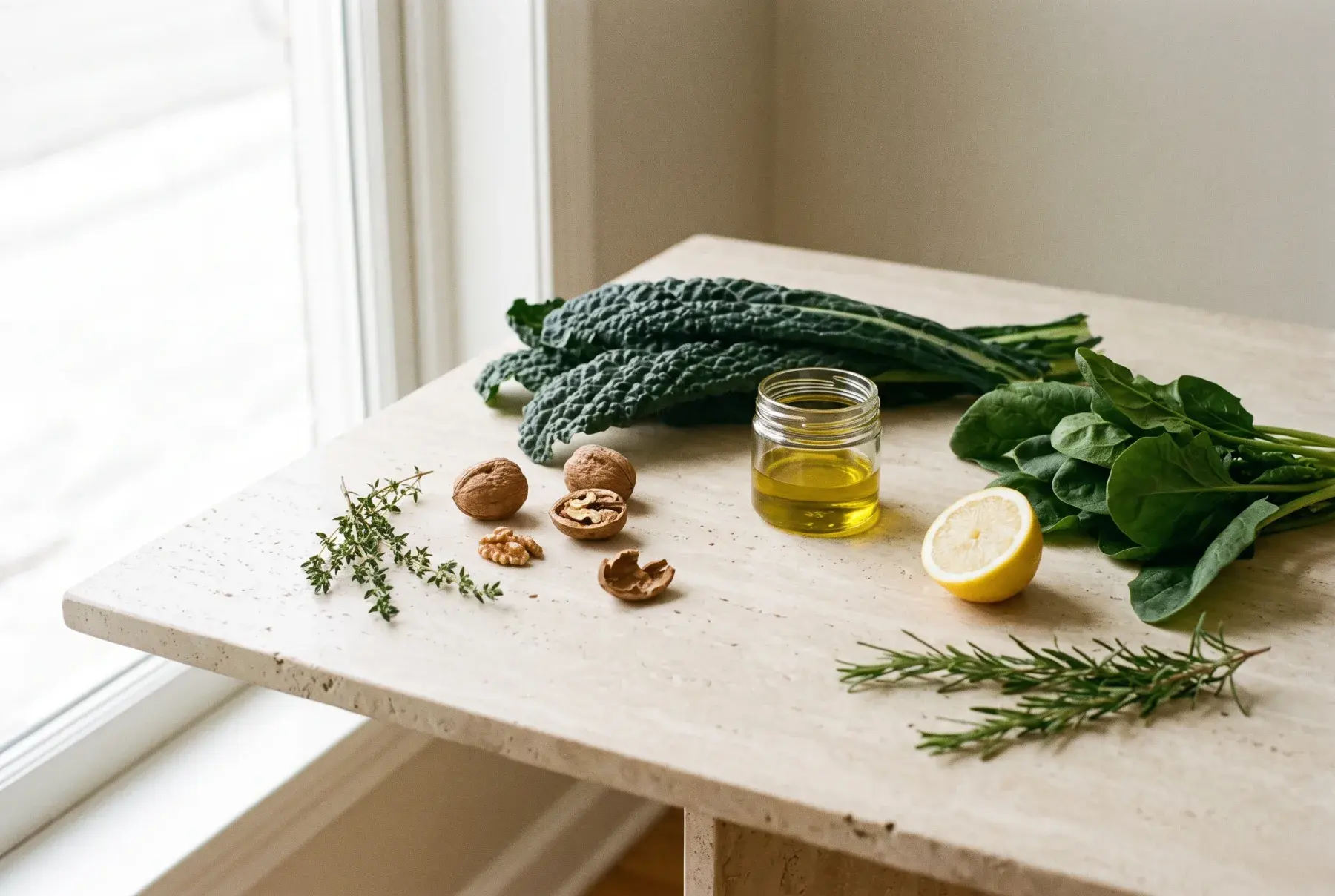
- Vegetables and leafy greens, such as spinach, rocket, broccoli, peppers, tomatoes and okra, ideally of many colours
- Fruit, especially berries, pomegranate, citrus and other whole fruit rather than juice
- Pulses, such as lentils, chickpeas and beans, which are rich in fibre
- Whole grains, such as oats, bulgur, freekeh, brown rice and wholegrain bread
- Extra-virgin olive oil as the main cooking and dressing fat
- Nuts and seeds, such as walnuts, almonds, pistachios, flaxseed and chia
- Oily fish, such as salmon, sardines and mackerel, ideally twice a week
- Fermented foods, such as yoghurt, laban and kefir, and fermented vegetables
- Herbs, spices and tea, including turmeric, ginger, za'atar, cinnamon and green tea
Fibre deserves particular attention. Gut bacteria ferment fibre into compounds that appear to help regulate the immune system, and most adults eat less fibre than recommended. If you have ongoing digestive symptoms, our gut health assessment explains how a physician looks into them.
Foods that may increase inflammation
Foods to limit on an anti-inflammatory diet include:
- Sugary drinks, including sweetened juices, iced coffees and energy drinks
- Refined carbohydrates, such as white bread, pastries and many breakfast cereals
- Processed and cured meats
- Fried foods and fast food
- Ultra-processed snacks and ready meals
- Excess alcohol
You do not need to cut these out entirely. The aim is to make them occasional rather than everyday, and to let whole foods make up most of what you eat.
How to eat an anti-inflammatory diet in Dubai
Dubai makes this way of eating easier in some ways and harder in others. The food of the Levant, the Gulf and the Mediterranean is full of anti-inflammatory staples: hummus, lentil soup, tabbouleh, fattoush, grilled fish, olive oil, fresh herbs, za'atar and plenty of vegetables. Supermarkets and markets offer a wide range of fresh produce year round.
The harder part is the lifestyle. Weekend brunches, late-night delivery, sweet karak and office snacks can easily tip the balance. A few practical swaps help:
- Build meals around vegetables and pulses, with a portion of protein and a whole grain, rather than the other way round.
- Order grilled rather than fried when eating out, and add a salad or a side of vegetables.
- Keep dates to a few, enjoyed with nuts or yoghurt rather than in large amounts on their own. They contain fibre and nutrients but are also high in natural sugar.
- Swap sugary drinks for water, sparkling water, unsweetened tea or laban.
- Plan for brunch. Enjoy it, but make the rest of the weekend simpler and more plant-based.
- Cook in batches, such as a pot of lentil soup or a tray of roasted vegetables, so a healthy option is ready on busy evenings.
It's not only about food
Diet is one part of a bigger picture. Regular physical activity, enough good-quality sleep, managing stress, not smoking and maintaining a healthy waist size all influence chronic inflammation. Our articles on high cortisol symptoms and intermittent fasting benefits look at two related areas: stress and meal timing.
Carrying excess fat around the abdomen is one of the factors most closely linked to chronic inflammation, and to insulin resistance. If you are concerned about blood sugar or weight, our metabolic health assessment explains how this is measured.
A word on supplements
Turmeric, fish oil and other supplements are widely marketed as anti-inflammatory. Some have research behind them, but results are mixed, quality varies and supplements do not make up for an unhealthy diet. Some also interact with medicines. Turmeric and high-dose fish oil, for example, may increase bleeding risk in people taking blood thinners, and turmeric supplements have been linked to rare cases of liver injury. Check with a doctor before starting them.
Who should get medical advice first?
If you have an autoimmune or inflammatory condition, such as rheumatoid arthritis, inflammatory bowel disease or psoriasis, diet can support your overall health, but it is not a replacement for medical treatment. Speak to your doctor before making major changes, particularly if you take regular medication, are pregnant, or have a history of disordered eating.
Persistent symptoms such as joint swelling, ongoing digestive problems, unexplained weight loss, fevers or extreme tiredness need a medical assessment rather than a diet change alone.
Frequently asked questions
What is the most anti-inflammatory food?
No single food has that title, and research supports overall eating patterns rather than individual superfoods. Vegetables, berries, pulses, whole grains, extra-virgin olive oil, nuts, oily fish and fermented foods are all well supported. Eating a wide variety of them regularly is more useful than focusing on one.
How long does it take for an anti-inflammatory diet to work?
It varies. Some studies have shown changes in inflammatory markers within a few weeks to a few months of dietary change, but the main benefits come from sticking with the pattern over the long term. A blood test such as hs-CRP, read alongside your other results, can help track change over time.
Are eggs and dairy inflammatory?
For most people, eggs and dairy can be part of an anti-inflammatory diet. Research on dairy generally does not show it increases inflammation, and fermented dairy such as yoghurt and laban may be beneficial. People with specific intolerances or conditions may need a different approach, which is worth discussing with a doctor.
Is the anti-inflammatory diet the same as the Mediterranean diet?
They overlap closely. The Mediterranean diet is the most widely studied anti-inflammatory eating pattern, built on vegetables, fruit, pulses, whole grains, olive oil, nuts and fish. An anti-inflammatory diet uses the same principles and can be adapted to many cuisines, including the food of the Gulf and the Levant.
Eating for the long term
An anti-inflammatory diet is less about strict rules than about a pattern you can live with: more plants, more fibre, good fats and fish, and fewer processed foods. Combined with movement, sleep and stress management, it is a practical step you can take for your long-term health.
If you would like to understand your own markers, including inflammation, blood sugar and cholesterol, book a consultation with our longevity team in Business Bay. Dr. Nihal Hussein, who works across aesthetic and functional medicine, can review your results and help you build a plan that fits your life in Dubai. For a focus on the heart, our heart health screening is another place to start.
Want this for your own biology?
Speak with our team on WhatsApp — we’ll point you to the right protocol, or to a measurement first.